
Is Ramen Good for Diabetics? Best Ramen for Diabetics Guide
Is ramen good for diabetics? Can diabetics eat ramen noodles? Yes, in moderation — the best ramen for diabetics is a low-sodium, broth-based bowl with extra protein, vegetables, and reduced noodles. Here's exactly what to order and what to avoid.

Maya Chen
Contributor profile →
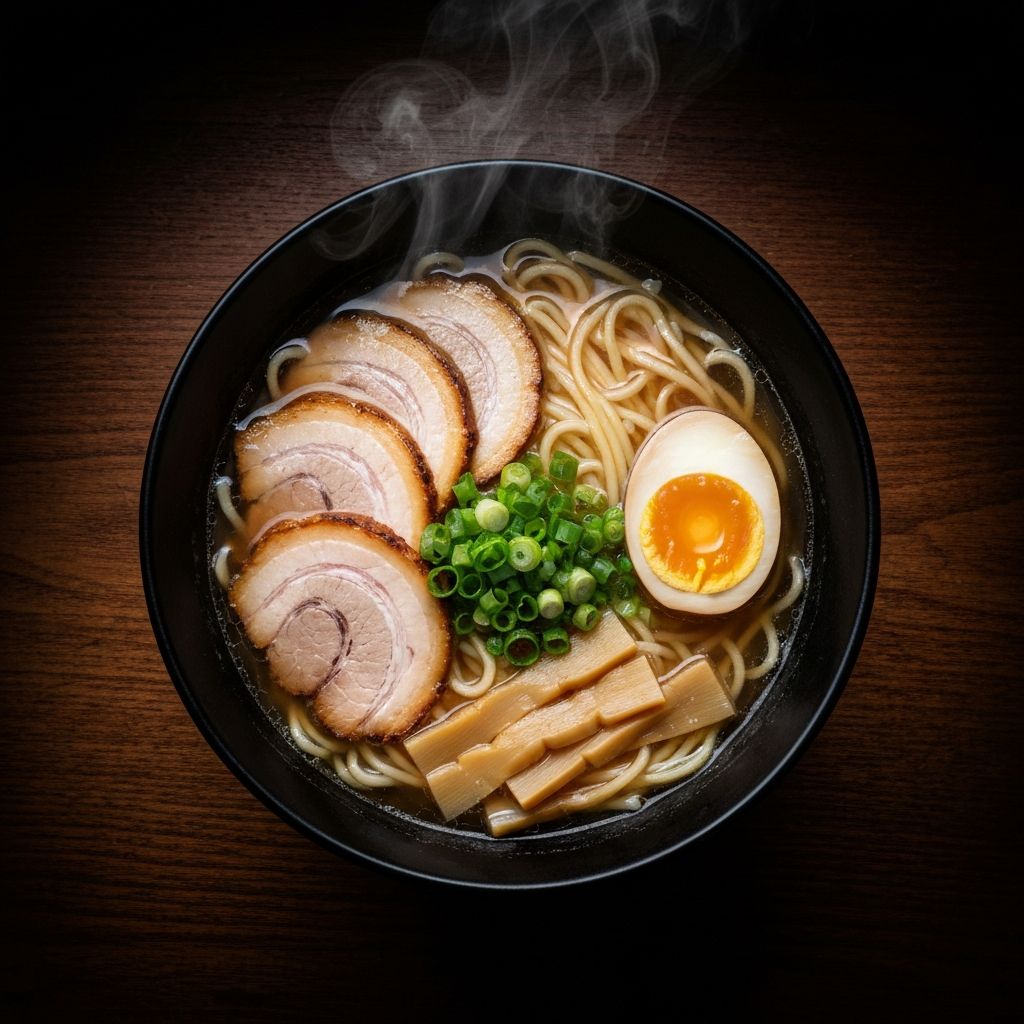
Yes, ramen can be good for diabetics when it's ordered the right way — and no, a standard restaurant or instant bowl usually isn't that bowl by default.
The best ramen for diabetics is a clear, broth-based bowl — a shio (salt), shoyu (soy), or miso ramen — built with extra protein and vegetables, fewer noodles, and as little added sodium as possible. Skip the deep-fried instant noodles and the rich, fatty tonkotsu pork-bone broths when you can.
Look instead for chicken paitan, dashi-based shoyu, or vegetable miso bowls that you can customize: half noodles, a soft-boiled egg, extra greens, and lean protein like grilled chicken or tofu.
That combination flattens the blood sugar curve and keeps the meal within reasonable carbohydrate and sodium limits.
We've spent a lot of time cooking ramen at home for friends and family members managing type 2 diabetes, and we brought together everything we've learned into one practical guide.
Is Ramen Good for Diabetics?
In moderation and ordered thoughtfully, yes. Ramen is not automatically off-limits for someone managing diabetes — the soup format itself (broth first, then noodles) can actually help slow eating pace and improve satiety, both of which support better post-meal blood sugar response.
The catch is that a default bowl leans heavily on two things that matter for diabetes management: refined wheat noodles (a fast-digesting carbohydrate) and sodium, which is often 1,500–2,500 mg in a single restaurant bowl.
Neither of those is disqualifying on its own — they're just the two levers worth adjusting. Order a clear broth style, ask for half noodles, add protein and vegetables, and ramen fits comfortably into a diabetes-friendly diet the same way a well-built stir-fry or grain bowl would.
Why standard ramen is a problem for diabetics
A typical bowl of ramen has two diabetes-relevant issues. First, the noodles themselves are refined wheat flour — a fast-digesting carbohydrate that can push blood sugar up quickly, especially in a 60–80 gram serving.
Second, the sodium load (often 1,500–2,500 mg in a single bowl) is significant for anyone managing hypertension alongside diabetes, which is a very common combination.
The good news: ramen is endlessly customizable, and most ramen restaurants will happily accommodate modifications if you ask.
The Best Ramen Noodles for Diabetics, Ranked
1. Miso ramen. Fermented soybean paste broth offers some protein, the bold flavor means you can get away with less added salt at the table, and miso has been associated with modest blood-sugar benefits in some studies. Ask for extra vegetables and a soft-boiled egg.
2. Shio (salt) ramen. The lightest, clearest broth in the ramen family. Lower fat content than tonkotsu, easier to portion-control. A great base for adding extra protein and greens.
3. Chicken shoyu or paitan. Chicken-based broths are leaner than pork. Shoyu adds soy-sauce depth without the heavy creaminess of tonkotsu.
4. Vegetable or vegan ramen. When done right (mushroom dashi, miso base), vegan ramen is often the lowest-calorie, lowest-saturated-fat option on a menu and lets you load up on plant fiber.
How we order ramen for blood-sugar control
We follow five rules every time. One: ask for half noodles, and supplement with extra bok choy, mushrooms, or bean sprouts to fill the bowl. Two: always add a soft-boiled egg (ajitama) for protein and fat that slows glucose absorption.
Three: add lean protein — chicken, tofu, or a small portion of chashu. Four: drink only half the broth to cut sodium roughly in half. Five: eat the protein and vegetables first, noodles last — eating order has been shown in clinical studies to reduce post-meal blood sugar spikes.
What to avoid
Instant ramen with the full seasoning packet is the worst option for diabetics — refined carbs, deep-fried noodles, and a full day's sodium in one meal.
Tonkotsu bowls with extra chashu, extra fat, and corn are the second-worst — that combination delivers a heavy load of saturated fat plus fast carbs. Tsukemen (dipping ramen) usually involves more concentrated dipping broth and a larger noodle portion, so it's also worth approaching cautiously.
None of this means a person with diabetes can't enjoy ramen. We've watched friends keep their A1C in target ranges while eating ramen weekly — they just learned to order it the right way.
Use the five rules above, choose miso or shio over tonkotsu, and ramen becomes a balanced meal instead of a blood-sugar problem.
Noodle alternatives that lower the glycemic impact
Most ramen restaurants use wheat noodles, which are high on the glycemic index. But there are options.
Some shops now offer konjac noodles (shirataki) as a substitute — these are made from glucomannan fiber, contain almost zero net carbs, and have been shown in multiple clinical studies to blunt post-meal blood sugar spikes.
If the restaurant you're visiting doesn't carry them, you can bring your own shirataki packets and ask the kitchen to swap them in (politely — most accommodate this).
At home, you have full control: rice noodles are moderately lower GI than wheat, and zucchini noodles or shirataki work surprisingly well in a flavorful broth where the noodle itself is a vehicle, not the star.
Whole-grain or high-protein noodles are the middle path — they exist in some specialty ramen shops and in the dry-goods aisle at Japanese grocery stores. Higher fiber content slows digestion and lowers the glycemic hit compared to standard white wheat ramen noodles.
If you're cooking at home and want to reduce the carbohydrate load, this is worth experimenting with before trying shirataki, which has a different texture that not everyone enjoys.
Managing sodium: the overlooked piece of the diabetics-and-ramen puzzle
Type 2 diabetes and hypertension (high blood pressure) co-occur in a large proportion of patients — studies put the overlap at between 40% and 75% depending on population. If you're managing both conditions, sodium is as important as carbohydrates when you're planning your ramen meal.
A standard restaurant ramen bowl can contain 1,500–2,500 mg of sodium, which is the full daily target (or over it) for someone on a sodium-restricted diet.
The single most effective sodium reduction strategy: don't finish the broth. Drink a quarter to half of it, enjoy the flavor, and leave the rest. The noodles and toppings themselves are not as sodium-heavy as the broth — most of the bowl's sodium lives in the soup.
Asking for lighter tare (the seasoning concentrate) is a second option at shops that prepare bowls to order; many will accommodate.
Miso ramen's broth tends to be saltier than shio, but miso's fermented compounds have been associated with cardiovascular benefits in epidemiological studies, so the tradeoff isn't straightforward — let your own targets guide you.
Carbohydrate breakdown: what's actually in a ramen bowl
Understanding what you're eating makes the meal easier to manage.
A standard ramen bowl typically contains: wheat noodles (60–80g dry weight, roughly 45–60g net carbs when cooked), broth (minimal carbs, high sodium), chashu pork belly (0–3g carbs, mainly fat and protein), soft-boiled egg (less than 1g carbs), and vegetables such as bok choy, bean sprouts, and mushrooms (2–5g combined).
The noodles are overwhelmingly the dominant carbohydrate source. Requesting half noodles reduces the carb load by roughly 25–30g, which is meaningful — equivalent to skipping a slice of bread.
If you're tracking carbohydrates for insulin dosing or other medical reasons, a half-noodle bowl with a full complement of vegetables and protein lands approximately 25–35g net carbs depending on the shop and bowl style. A full noodle bowl can run 55–65g net carbs or more.
These are estimates — different shops use different noodle weights — but they give you a working range for planning.
Our weekly ramen habit as diabetics (or cooking for diabetics)
We've cooked ramen weekly for a family member managing type 2 diabetes for over two years, and we've developed a rhythm that works. Monday prep: boil and marinate eggs, portion out protein (usually grilled chicken breast or firm tofu).
Wednesday or Thursday bowl night: shio or miso broth from scratch or a quality low-sodium packet base, half portion of fresh ramen noodles or shirataki, two marinated eggs, lots of greens, grilled protein.
Blood sugar readings after this meal run consistently lower than after an equivalent pasta dinner because of the soup format — drinking the liquid before and during the meal aids satiety and slows eating pace, which itself has been linked to better post-meal glucose response.
Ramen is not off the table for diabetics. It requires some attention to ordering, some willingness to ask for modifications, and some awareness of what's in the bowl — but the same is true of most restaurant meals. Eat it smart, enjoy it fully.
Frequently Asked Questions
Can diabetics eat ramen?
Yes. Diabetics can eat ramen as part of a balanced diet, especially when it's a broth-based style like shio, shoyu, or miso rather than fried instant noodles or a heavy tonkotsu bowl.
The key adjustments are ordering half noodles, adding lean protein and vegetables, and going easy on the broth to manage sodium — the same modifications covered throughout this guide.
Is ramen ok for diabetics?
Ramen is generally okay for diabetics in moderation, provided it's not eaten as a full-noodle, high-sodium instant bowl every day. A single well-built restaurant bowl — reduced noodles, extra vegetables, added protein — fits reasonably within most diabetes meal plans.
As with any carbohydrate-containing meal, portion and frequency matter more than avoiding the dish entirely.
Are ramen noodles good for diabetics?
Ramen noodles themselves are a refined wheat carbohydrate, so they're not a "good" food for blood sugar in large portions, but they're not uniquely bad either — they behave like most white-flour noodles or bread.
Ordering a half portion, choosing whole-grain or konjac (shirataki) noodles where available, and pairing them with protein and vegetables meaningfully reduces their blood-sugar impact.
What is the best ramen for a diabetic to order?
A shio or shoyu chicken broth with half noodles, a soft-boiled egg, extra greens, and grilled chicken or tofu is the best all-around choice — light, lower in fat than tonkotsu, and easy to portion-control. Miso is a solid second choice for its flavor depth, though its broth tends to run saltier.
For more on how ramen compares nutritionally to other carbs, see our guides on whether ramen is healthier than pasta, the healthiest noodles you can eat, and what ramen noodles are actually made of. Cooking at home?
Our 5 best low sodium instant ramen picks can cut a bowl's sodium by half or more before you even start customizing it.
This is general information, not medical advice. Talk to your doctor or a registered dietitian about how ramen fits in your individual diabetes management plan.