
How to Make Noodles Taste Like Ramen
Turn any plain noodles into rich, restaurant-quality ramen at home. Learn the secrets behind broth, tare, and toppings that make the difference.

Maya Chen
Contributor profile →
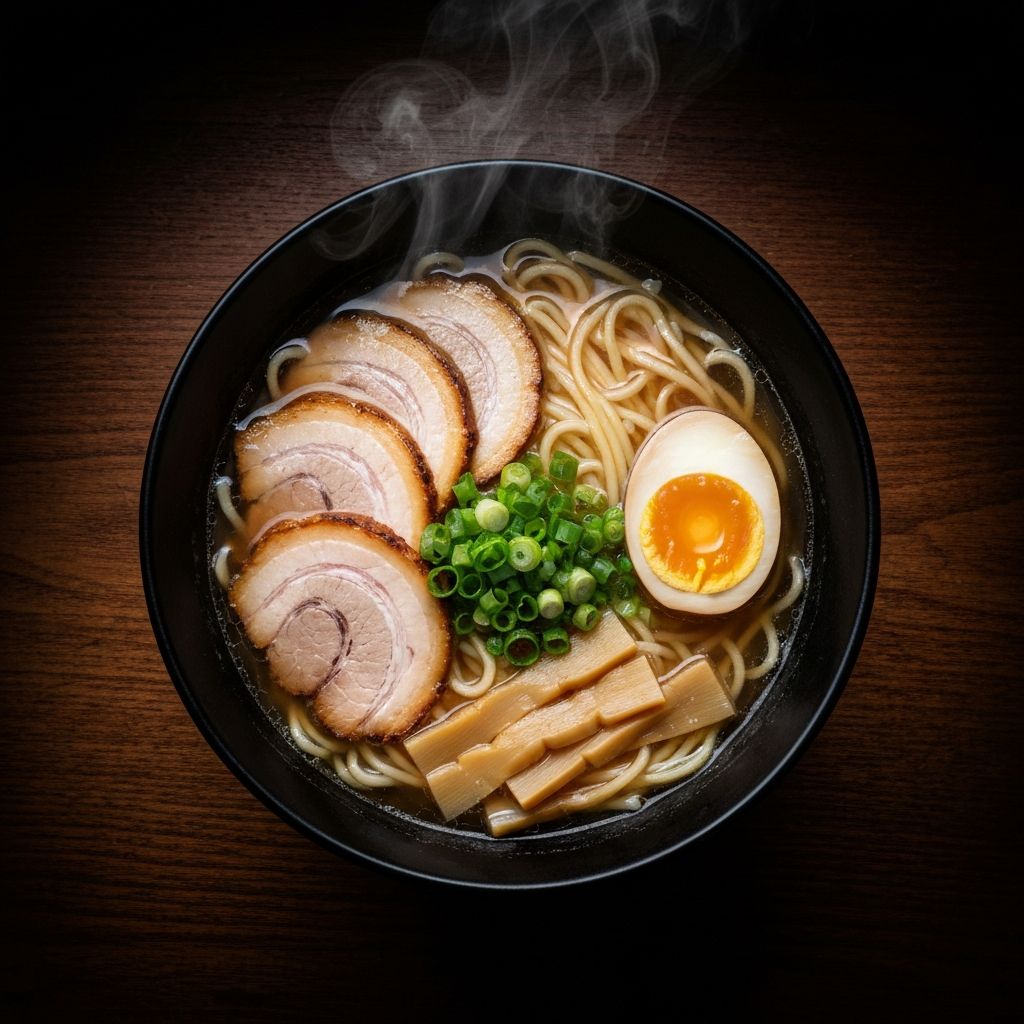
We tested every shortcut we could find for turning plain noodles into restaurant-style ramen — and we brought you the techniques we love and actually use at home.
You've got a pack of plain noodles and you want that deep, savory ramen flavor — the kind that makes you close your eyes after the first sip. The good news: you don't need an 18-hour tonkotsu broth to get there. You just need to understand what actually makes ramen taste like ramen.
It's All About the Broth Base
Ramen flavor lives in the broth. Plain water won't cut it. Start with one of these:
- Chicken stock — the most versatile base. Use store-bought or simmer chicken bones for 2 hours.
- Pork broth — richer and fattier, closer to tonkotsu. Simmer pork neck bones or trotters.
- Dashi — a Japanese stock made from kombu (dried kelp) and bonito flakes. Ready in 20 minutes, tastes deeply umami.
- Mushroom stock — dried shiitake mushrooms steeped in hot water for 30 minutes give an earthy, savory base.
Even store-bought chicken stock upgraded with a few add-ins beats plain water every time.
Add Tare — The Secret Seasoning Sauce
Tare (pronounced "tah-reh") is the concentrated seasoning that gets added to the broth right before serving. This is what makes each bowl of ramen distinctly itself. There are three classic types:
- Shoyu tare — soy sauce, mirin, sake, and a little sugar. Salty, complex, slightly sweet. Stir 2–3 tablespoons into your broth per bowl.
- Miso tare — white or red miso paste whisked with a bit of sesame paste, garlic, and ginger. Rich, fermented, deeply savory.
- Shio tare — salt-based with yuzu juice, sake, and kombu. Lighter and cleaner tasting.
A quick shoyu tare you can make in 5 minutes: combine ¼ cup soy sauce, 2 tbsp mirin, 1 tbsp sake (or dry sherry), and 1 tsp sugar in a small saucepan. Simmer for 3 minutes until slightly thickened. Use 2–3 tbsp per bowl.
Build Aromatics Into the Broth
Before adding your stock, bloom aromatics in a little sesame oil or neutral oil:
- Garlic (2–3 cloves, minced or crushed)
- Fresh ginger (1 tsp grated)
- Scallion whites (chopped)
- Optional: dried chili flakes for heat, or a tablespoon of white miso stirred in at the end
Sauté these for 60–90 seconds, then pour in your stock. Simmer for 10 minutes. This alone transforms plain broth into something that smells like a ramen shop.
Choose the Right Noodles
Traditional ramen noodles are wheat noodles made with kansui (an alkaline salt), which gives them their springy texture and slightly yellow color. If you can find fresh or dried ramen noodles, use them. But here's what works as substitutes:
- Fresh yakisoba noodles — nearly identical to ramen noodles, found in the refrigerated section
- Sun Noodle brand — used by many restaurant-quality ramen shops
- Instant ramen noodles (noodles only) — discard the seasoning packet, use just the curly noodles
- Spaghetti hack — add ½ tsp baking soda to boiling pasta water, then cook spaghetti. The alkaline environment mimics kansui and gives pasta a chewier, more ramen-like bite.
Don't Skip the Fat
Real ramen has a layer of fat on top that carries aroma and richness. Add one of these right before serving:
- A drizzle of toasted sesame oil
- Mayu (blackened garlic oil) — blend 5 cloves of garlic charred in oil with the cooking oil itself
- Chili oil or rayu
- Rendered pork fat (if you're making chashu pork, save the drippings)
Top It Right
Toppings aren't optional decoration — they're part of the flavor profile:
- Soft-boiled ramen egg (ajitsuke tamago): boil 6 minutes, ice bath, peel, and marinate in 2 tbsp soy sauce + 1 tbsp mirin + ½ cup water for at least 1 hour
- Chashu pork: pork belly rolled, tied, and braised in soy, mirin, sake, and sugar
- Bamboo shoots (menma): found canned at Asian grocery stores
- Nori: a sheet of dried seaweed placed on the side
- Scallions: sliced green tops
- Corn and butter: classic Hokkaido miso ramen topping
- Bean sprouts: quick sauté in sesame oil with a pinch of salt
The Assembly Order Matters
Ramen bowls are assembled in a specific order for a reason:
- Add your tare to the bottom of a warmed bowl
- Ladle in hot broth and stir briefly to combine
- Add a drizzle of aromatic fat
- Add freshly cooked (and drained) noodles
- Arrange toppings neatly on top
Warm your bowls in advance by filling them with hot water for a minute, then dumping it out. A warm bowl keeps ramen hotter longer — which matters because ramen gets worse as it cools.
The Fastest Version (Under 20 Minutes)
If you want ramen flavor right now with minimal shopping:
- Sauté garlic and ginger in sesame oil for 90 seconds
- Add 2 cups chicken stock + 1 cup water
- Stir in 2 tbsp soy sauce, 1 tbsp mirin, 1 tsp white miso
- Simmer 5 minutes
- Cook noodles separately, drain, add to bowl
- Pour broth over, top with scallions and a soft-boiled egg
Not 48-hour tonkotsu — but genuinely good ramen you made in 20 minutes from things you probably have at home.
The gap between instant noodles and restaurant ramen is mostly technique and layering. Add the right stock, season with tare, bloom your aromatics, finish with fat, and top it properly. That's the formula.