
What Is the Spiciest Noodles in the World?
What is the spiciest noodles in the world? Samyang's 2x Spicy Buldak Ramen and South Korea's Nuclear Fire Noodles top most heat rankings — but the world record holder might surprise you.

Marcus Rivera
Contributor profile →
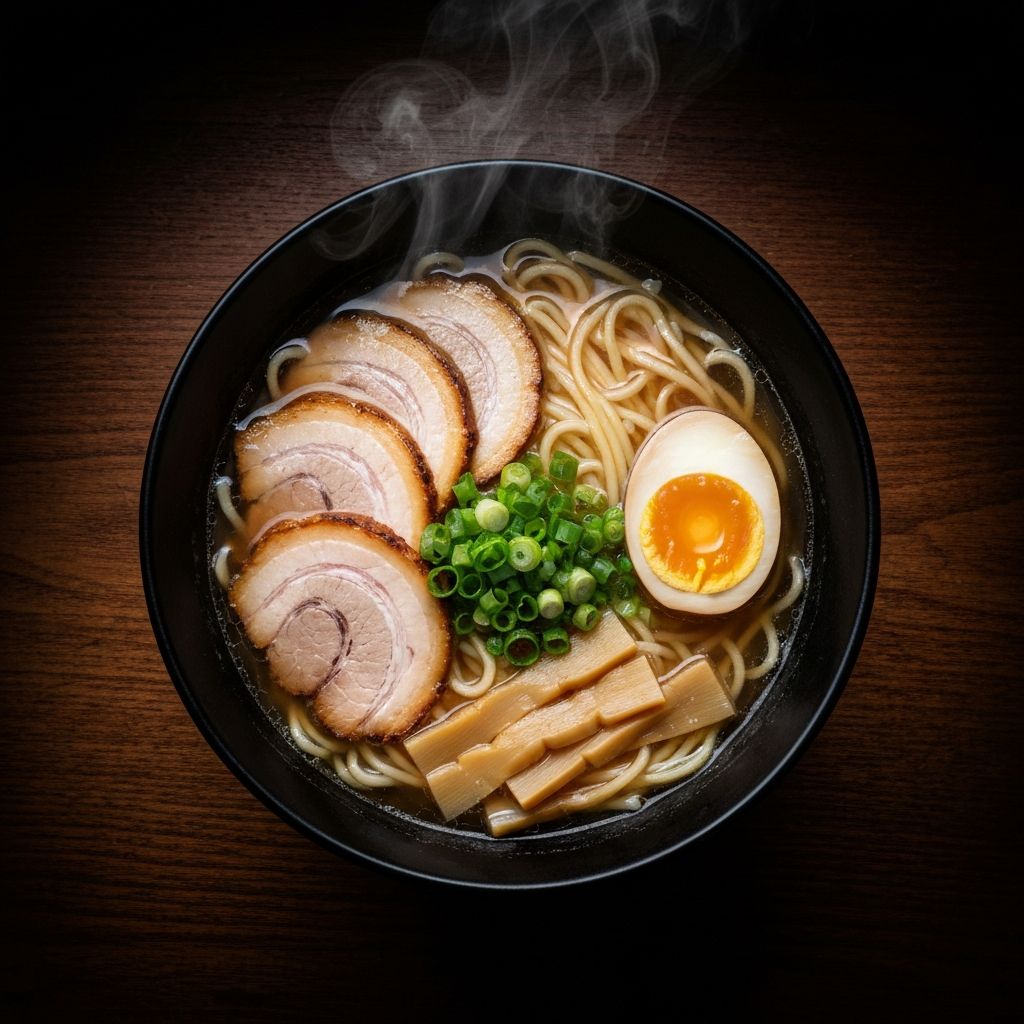
The spiciest noodles in the world are widely considered to be Samyang's 2x Spicy Buldak Ramen (also known as Nuclear Fire Noodles), which clock in at approximately 10,000 Scoville Heat Units (SHU) — roughly four times hotter than a jalapeño.
In competitive rankings and food-challenge circles, Samyang's 2x version consistently comes out on top among mass-produced instant noodles available worldwide.
For context: a jalapeño sits around 2,500–8,000 SHU, a habanero hits 100,000–350,000 SHU, and the original Buldak (Samyang Fire Noodles) is about 4,400 SHU.
The 2x version doubles that and has been responsible for millions of social media challenge videos and more than a few urgent trips to the sink.
We've eaten our way through the spiciest noodle lineup the world has to offer, and we brought you the definitive ranking. We tried the Samyang 2x Buldak ourselves — and we liked the heat enough to make it a regular in our pantry, but we loved the challenge more than the flavor.
The top 5 spiciest noodles in the world
1. Samyang 2x Spicy Buldak Ramen — ~10,000 SHU. The gold standard of nuclear instant noodles. Originally launched as a limited edition, the 2x version became a permanent product after becoming one of the most-watched food-challenge items on social media.
The heat comes from a blend of capsaicin extract and dried chili powder coating the stir-fried noodles. The flavor underneath — chicken and soy sauce — is actually quite good if you can tolerate the burn. This is the benchmark every other spicy noodle is judged against.
2. Samyang 3x Spicy Buldak Ramen — ~13,000 SHU. Samyang pushed further. The 3x version was released in limited quantities and is significantly harder to find outside of Korea, but it holds the highest Scoville rating among Samyang's retail lineup. Only for people who found the 2x manageable.
3. Nongshim Shin Ramyun Black — ~2,700 SHU. A more moderate entry from Korea's other dominant instant noodle brand.
Not in the same heat category as Buldak, but among broadly available spicy ramen it delivers consistent, peppery heat and a much more complex beef-and-mushroom broth than most fire-noodle competitors. A favorite for people who want genuine spice without the capsaicin-challenge format.
4. Indomie Mi Goreng Pedas (Indonesia) — variable SHU. Indonesia's beloved stir-fried instant noodle in spicy variants. The heat level varies by regional edition — the versions sold within Indonesia run noticeably hotter than the export version.
The spiciest domestic editions are genuinely intense and are often overlooked in Western spicy-noodle discussions.
5. Mama Tom Yum Spicy — Thailand. Thailand's most popular instant noodle brand in the spicy tom yum flavor combines sharp galangal and lemongrass heat with a chili punch that's different in character from Korean capsaicin-forward noodles — citrusy, bright, and surprisingly deep.
Not the hottest on this list by SHU count but the kind of complex spice that lingers and builds.
Beyond instant noodles: the spiciest restaurant noodles in the world
If you're looking beyond instant noodles, the title gets contested.
Malatang and Chengdu mala hot pot noodles from Sichuan, China use a combination of dried chili and Sichuan peppercorn that creates a numbing, tongue-coating heat known as málà (麻辣) — different from capsaicin heat but arguably more disorienting.
Some Sichuan restaurants use a chili oil base that tests upward of 50,000 SHU in the finished dish.
In the US, certain ramen restaurants offer challenge bowls built with ghost pepper (1,000,000 SHU) or Carolina Reaper extract (over 2,000,000 SHU) — these exist purely as endurance tests and are not meant to be enjoyed as food in any traditional sense.
How spicy noodle heat is measured
The Scoville scale measures capsaicin concentration — the compound that causes the burning sensation in hot peppers. A Scoville reading above 5,000 SHU is genuinely spicy for most people. Above 10,000 SHU is where casual tolerance ends.
Above 100,000 SHU is where the ghost-pepper challenge-video genre lives. Samyang 2x at ~10,000 SHU sits right at the edge of what most people can enjoy vs. endure.
Tips for eating extremely spicy noodles
We've learned these the hard way. Dairy (milk, yogurt, cheese) neutralizes capsaicin far more effectively than water — capsaicin is fat-soluble and water just spreads it. Eat something fatty before you start: bread, rice, or a spoonful of peanut butter lines the stomach and slows absorption.
Use only half the sauce packet your first time. Do not touch your face or eyes after handling the sauce. And eat slowly — the burn peaks a few minutes in, not immediately.
Building spice tolerance: how to work up to the hottest noodles
Spice tolerance is trainable. Capsaicin receptors (TRPV1 receptors) desensitize with repeated exposure — meaning that eating spicy food regularly does genuinely reduce the intensity of the burn over time, not just your perception of it.
The mechanism is real and well-documented in pain-receptor research. Here's a practical progression for building toward the 2x Buldak level:
Week 1–2: Nongshim Shin Ramyun (standard, ~2,500 SHU). This is the baseline spicy instant noodle for most people. If it feels comfortable, you're ready to move up.
Week 3–4: Samyang Original Buldak (~4,400 SHU). The "fire noodles" that went viral before the 2x version. Still genuinely hot, but manageable with the dairy trick. Eat the full sauce packet.
Week 5–6: Samyang Carbo Buldak or Cheese Buldak. These are cream-sauce variants of Buldak that run around 2,700–3,200 SHU — slightly milder than the original, with the dairy-based sauce doing some of the capsaicin work for you.
Use them to stay in the spice range while developing tolerance between full-heat rounds.
Week 7–8: Samyang 2x Spicy Buldak. By now, your TRPV1 receptors have desensitized enough that the 2x version is an intense but manageable experience rather than a medical event. Have a cold glass of milk ready.
Regional spicy noodle traditions around the world
The global variety of spicy noodles goes far beyond Korean instant ramen. Each regional tradition approaches heat differently:
Sichuan, China — Dan Dan Mian and Malatang: Sichuan cuisine uses málà — a combination of dried chili (heat) and Sichuan peppercorn (numbing). The peppercorn triggers a distinct tingling, buzzing sensation on the lips and tongue completely different from capsaicin burn.
Malatang broth can reach 50,000+ SHU in high-heat preparations, but the numbing effect means it feels different on the palate than Korean fire noodles of equivalent Scoville rating. Many people find mala heat more disorienting than painful.
Thailand — Pad Kee Mao (Drunken Noodles) and Tom Yum Ramen: Thai spice comes from bird's eye chilies (Thai chilies), which range 50,000–100,000 SHU — genuinely hot. Drunken noodles prepared to traditional Thai spice levels exceed anything in the Korean instant noodle lineup.
The difference is that the heat is integrated with aromatics (lemongrass, galangal, kaffir lime) so the complexity competes with the capsaicin. Many Thai restaurants in the US dial the heat down significantly for Western palates; ask for "Thai spicy" and brace yourself.
India — Maggi Masala and regional curried noodles: India's relationship with spicy noodles is less internationally famous but worth knowing. Regional Indian instant noodle preparations and street food vermicelli dishes in states like Andhra Pradesh use dried red chilies of extraordinary heat.
The Bhut Jolokia (ghost pepper) is native to northeastern India and was once classified as the world's hottest chili. Noodle dishes from that region can be genuinely extreme.
Japan — Mala Ramen and Hakata Spicy Tonkotsu: Japan's heat tradition is milder by global standards, but spicy ramen has grown significantly in popularity. Mala ramen (incorporating Sichuan chili oil and peppercorn) has become mainstream at many Japanese ramen shops.
Hakata-style spicy tonkotsu is available in most major cities. The heat tends to build gradually rather than hitting upfront — the tare (seasoning paste) carries the chili oil and it deepens as you eat.
Some specialty ramen shops in Japan and the US now offer multi-stage spice levels up to genuinely painful intensities.
The cultural moment: why spicy noodle challenges went viral
The Buldak challenge — filming yourself attempting to eat Samyang 2x Fire Noodles — became one of the most-replicated food challenge formats on YouTube and TikTok between 2016 and the early 2020s.
Millions of videos later, the phenomenon drove Samyang's export revenue to record levels and introduced Korean instant noodles to global audiences who had never heard of them.
The challenge format worked because the product is consistently, reproducibly extreme — not variable like restaurant heat — and the reaction shots were reliably entertaining.
This is a meaningful chapter in how food media works in the digital age: a single product's Scoville rating became an international entertainment format.
The legacy is also commercial. Samyang launched the 2x version originally as a one-time challenge item. Consumer demand made it permanent.
The company now has a full lineup — carbonara, cheese, curry, jjajang, corn — all at Buldak heat or milder, each hitting a different flavor profile while leveraging the brand's reputation for extreme heat. If you're new to the lineup, the carbonara and cheese variants are the best entry points.
If you want to know what you're dealing with, start with the original. If you're ready to test your limits, the 2x is waiting.