
Why Do People Put Eggs in Ramen? The Real Reason
Why do people put eggs in ramen? Eggs add protein, richness, and creaminess that balance the broth — and the marinated soft-boiled egg (ajitama) is a defining element of authentic Japanese ramen.

Marcus Rivera
Contributor profile →
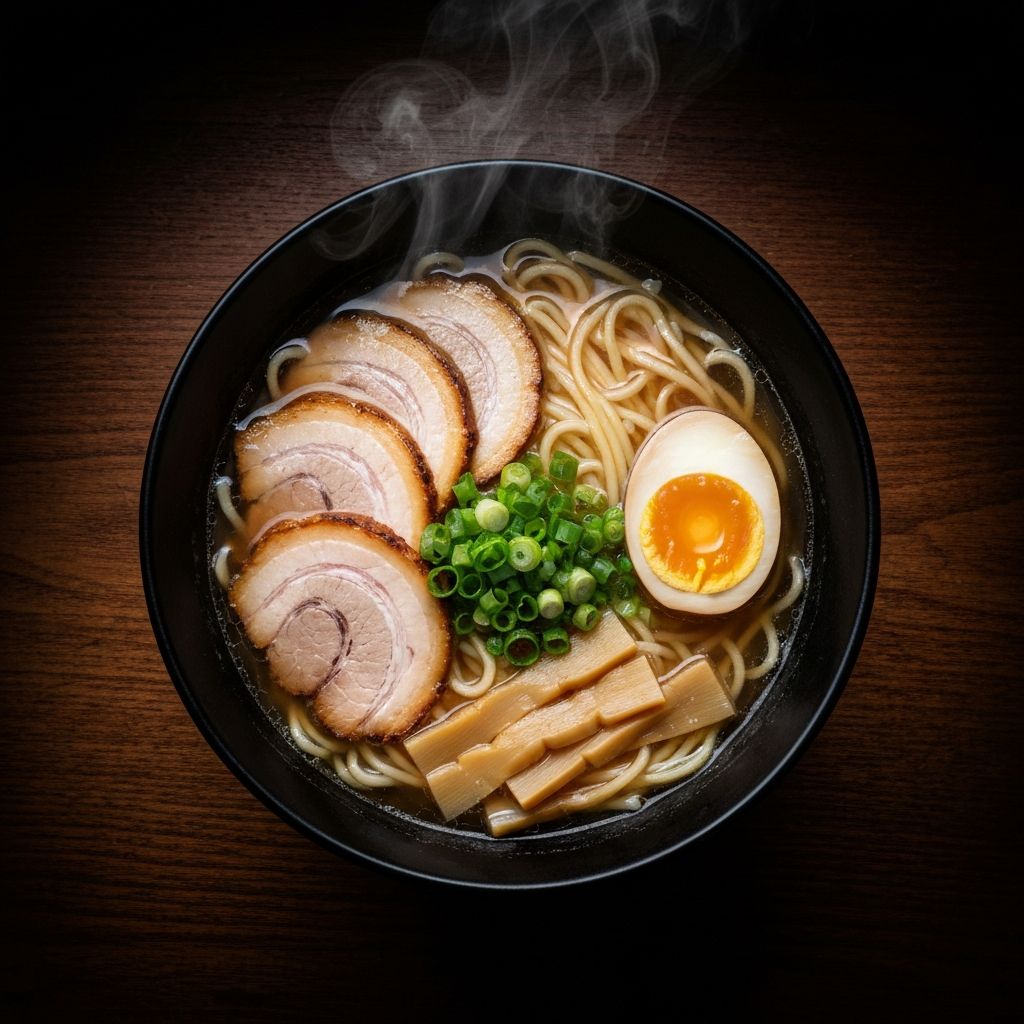
People put eggs in ramen because the egg adds protein, richness, and silky texture that balance the salty, fatty broth — and because the marinated soft-boiled egg (called ajitama or ajitsuke tamago) is a defining traditional component of authentic Japanese ramen.
When you crack a properly cooked ajitama and the jammy yolk runs into the broth, it thickens and enriches the soup in a way nothing else does.
It also turns ramen from a noodle soup into a complete meal — adding roughly 6 grams of high-quality protein and a load of vitamins (B12, choline, vitamin D, selenium) that the noodles and broth alone don't provide.
We've made hundreds of ajitama at home and ordered them in ramen shops across the country, and we brought you the full story of why this one ingredient matters so much.
The cultural history: ajitama as a ramen ritual
The soft-boiled marinated egg became a standard ramen topping in postwar Japan, when ramen shops began competing on the small details that distinguished one shop's bowl from another.
A perfectly cooked egg — whites firm, yolk still molten at the center — soaked overnight in soy sauce, mirin, and dashi became one of those signature touches. Today, ajitama is considered as essential to a complete bowl as the noodles themselves at most ramen-ya in Japan.
The egg's slightly sweet, salty marinade complements the broth without overwhelming it, and the contrast between the cool, jammy yolk and the hot soup is what ramen fans love most.
The flavor science: why the egg makes ramen taste better
Ramen broth is heavy on umami and salt. The egg yolk contributes fat and emulsifiers that bind those flavors together and coat the noodles as you eat. The yolk also adds a sweet, creamy counterpoint to the salty broth — exactly the same role yolks play in carbonara or hollandaise.
When the yolk breaks into the soup, it thickens the broth slightly and makes each subsequent slurp feel more luxurious. That texture transformation is the reason many ramen lovers we know would never order a bowl without one.
The nutrition: ramen with egg is a much better meal
A standard bowl of ramen is heavy on carbohydrates and sodium and lighter on protein than most people realize. A single egg adds about 6 grams of high-quality complete protein, healthy fats, vitamin B12, choline (important for brain health), vitamin D, and selenium.
That converts ramen from a primarily carb-and-sodium meal into a much more balanced one. We always recommend adding an egg if you're eating instant ramen at home, both for nutrition and for the same flavor reason restaurants do it.
How to make a perfect ramen egg at home
Our method: bring water to a rolling boil, gently lower in cold eggs straight from the fridge, and cook for exactly 6 minutes 30 seconds. Transfer immediately to an ice bath for at least two minutes, then peel under running water.
Soak the peeled eggs in a marinade of equal parts soy sauce, mirin, and water (plus a splash of dashi if you have it) for 4–12 hours in the fridge. Slice in half lengthwise and place on top of your ramen just before eating.
The result is exactly what you get at a good ramen shop: firm white, glossy jammy yolk, and a salty-sweet seasoned shell that adds depth to every bite. Once you've eaten ramen with a proper ajitama, you'll understand why people put eggs in ramen — and why most of us never go back.
The different ways people add eggs to ramen
Ajitama is the most famous but not the only way. Here are the main egg preparations you'll encounter:
Ajitama (ajitsuke tamago): Soft-boiled and marinated in soy, mirin, and dashi. The gold standard. Yolk is jammy and glossy, white is lightly tinted brown from the marinade. This is what most ramen restaurants in the US serve when they say "ramen egg."
Onsen tamago: A slow-cooked egg traditionally prepared in a hot spring (onsen) at around 65–68°C / 149–155°F for 45–60 minutes. The result is unlike anything else — the white is barely set, almost custardy, while the yolk is fully cooked but silky-smooth.
Some high-end ramen shops use immersion circulators to replicate this at home.
Hard-boiled egg (not recommended): Occasionally seen in Southeast Asian-style ramen and in some American chain adaptations. The fully cooked yolk doesn't contribute the same creamy richness to the broth, and most serious ramen eaters consider it a downgrade. We agree.
Raw egg: In Japan, some ramen styles — particularly certain regional variations and tsukemen (dipping ramen) — involve cracking a raw egg directly into the hot broth and letting it partially cook from the heat of the soup.
This is less common in the US for food safety reasons but is worth knowing exists. The raw yolk emulsifies into the broth almost instantly and creates an incredibly rich texture.
Seasoned scrambled egg (kinshi tamago): Thin egg crepe cut into strips, used more often in chilled hiyashi chuka ramen than in hot broth applications. Less about broth enrichment, more about color and protein.
How many eggs should you put in ramen?
Most ramen shops serve one egg per bowl — that's the traditional portion. At home, we often add two, particularly if we're eating ramen as a complete meal rather than a first course. Two eggs add about 12 grams of protein and push the bowl firmly into balanced-meal territory.
If you're eating ramen for lunch and want it to sustain you through the afternoon, two eggs is our recommendation. If you're eating a rich tonkotsu with extra chashu, one is probably sufficient from a satiety standpoint.
The egg is always placed last, just before serving, and sliced lengthwise to show the yolk. This matters: cutting it fresh preserves the glossy yolk interior rather than letting it dry out. Slice your egg tableside, not in advance.
Why some ramen doesn't come with an egg
Not every bowl includes an egg by default — it's sometimes a paid add-on ($1–$2 at most shops) or an optional topping. This is a business and cost decision, not a culinary one. At quality ramen shops, the egg is almost always available even if it's not in the base bowl price. Always ask.
Shops that tell you their kitchen doesn't do ajitama are often working from a limited prep list — perfectly reasonable for a high-volume lunch service, but worth knowing in advance when choosing where to go for a serious bowl.
If you want the best version of any ramen — whether at home or at a restaurant — include the egg. It's the single most impactful topping on the menu, adding nutrition, flavor complexity, texture contrast, and the visual centerpiece that makes the bowl feel complete.