
Shoyu Ramen vs. Spicy Ramen
Shoyu vs. Spicy ramen explained: how the broth, seasoning, noodles and toppings differ — and which bowl to order. A clear, complete side-by-side comparison.

Maya Chen
Contributor profile →
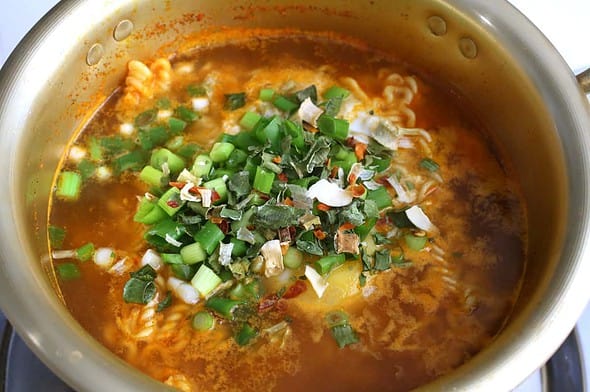
Shoyu and Spicy are two of the most talked-about styles of ramen, and if you have ever stared at a menu wondering which to order, you are not alone.
Although both arrive as a steaming bowl of noodles in broth, they are genuinely different experiences — from the way the broth is built to the noodles, the seasoning and the toppings.
This guide breaks down exactly what sets shoyu ramen and spicy ramen apart, where they overlap, and how to choose between them.
The short version: shoyu ramen is light to medium-bodied and savory, tangy and balanced with a clean soy backbone, while spicy ramen is varies from medium to rich depending on the base and bold and fiery, often with a nutty sesame or deep miso backbone. But the details are where it gets interesting.
Understanding Ramen Broth
Every bowl of ramen is really two things working together: a broth (the soup base, often simmered from bones, dashi or vegetables) and a tare (the concentrated seasoning that flavors it).
It is easy to assume that names like "tonkotsu" and "miso" describe the same kind of thing, but they don't — some styles are named for the stock they are made from, and others are named for the seasoning that defines them.
That distinction is the key to understanding any ramen comparison. Shoyu ramen is defined by its seasoning (tare), while Spicy ramen is defined by its broth base. Keep that in mind and the differences below will make a lot more sense.
What is Shoyu ramen?
Shoyu ramen is the original — the bowl most food historians point to when ramen first took hold in Tokyo in the early twentieth century. The word shoyu means soy sauce, and that soy-based tare is what defines the style.
Unlike tonkotsu, the defining feature here is the seasoning, not the stock, so the same shoyu tare can sit on top of a chicken, pork or seafood broth.
The classic shoyu broth is clear and brown, typically a light chicken stock rounded out with dashi made from kombu (kelp) and dried bonito. It is savory and aromatic with a gentle tang and a clean finish, letting the quality of the stock and the soy sauce shine rather than burying them under fat.
It is the most "drinkable" of the foundational styles and a favorite of people who find tonkotsu too heavy.
Because it is balanced rather than intense, shoyu ramen is endlessly versatile and is the bowl most likely to feature picture-perfect, classic toppings: a slice of fish cake, a sheet of nori, bright green scallion and a jammy marinated egg arranged with care.
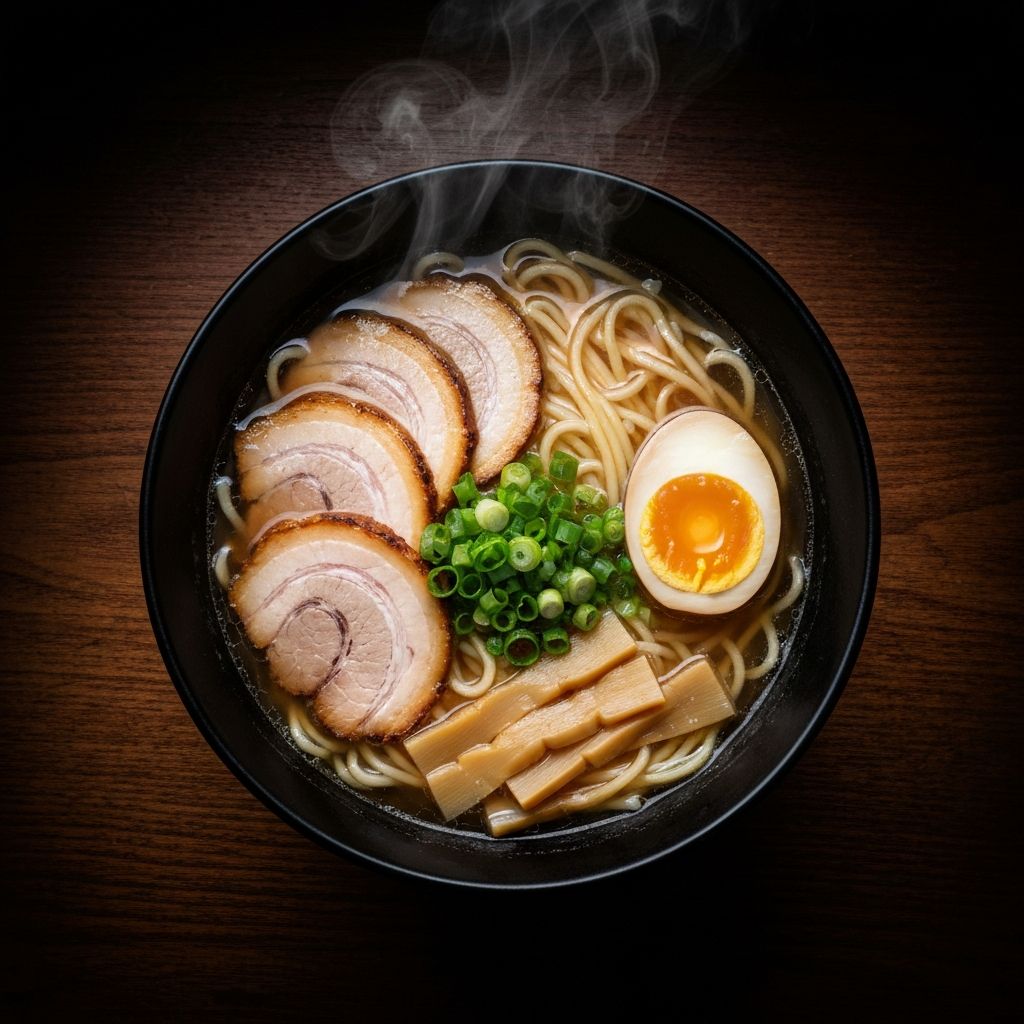
Seasoning. A soy-sauce tare is the heart of the style, frequently deepened with mirin, sake and a kombu-bonito dashi for layered umami.
Preparation. The stock is simmered gently to stay clear, then seasoned in the bowl with the soy tare — a much faster, cleaner process than the hard boil of tonkotsu.
Noodles. Medium-thickness noodles, often slightly curly or wavy, hold the lighter broth well without overwhelming it.
Toppings. Chashu, bamboo shoots (menma), nori, fish cake (naruto), a marinated egg and scallion are the textbook garnishes.
What is Spicy ramen?
Spicy ramen is less a single broth than a family of bowls united by heat. The category spans Japanese spicy miso, fiery tonkotsu, and tantanmen — the Japanese take on Sichuan dan dan noodles, built on sesame paste, chili oil and ground pork.
What ties them together is a chili-forward seasoning layered on top of an underlying broth.
Because the heat is added rather than fermented or boiled in, a spicy bowl inherits the character of its base: a spicy tonkotsu stays rich and creamy under the chili, while a spicy shoyu stays lighter and tangier.
The best versions balance the burn with real depth — nutty sesame, savory miso or porky tonkotsu — so the bowl is craveable rather than just punishing.
Heat levels are often adjustable, which makes spicy ramen a flexible choice: you can dial it from a gentle warmth to a serious sweat. It is the go-to bowl for anyone who believes a little capsaicin makes everything taste more alive.
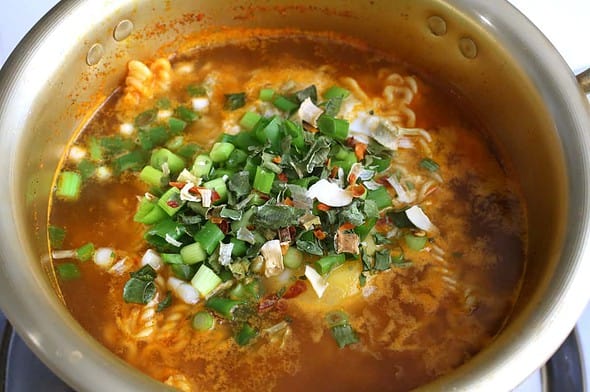
Seasoning. Chili oil (rayu), spicy bean paste (doubanjiang), chili flakes and, in tantanmen, sesame paste provide the heat and the backbone.
Preparation. A base broth is built first, then chili oil and spice paste are bloomed and added; tantanmen layers in a sesame-chili sauce and stir-fried ground pork.
Noodles. Medium straight or wavy noodles are standard, sturdy enough to carry clingy, oily, spiced broths.
Toppings. Ground pork, chili oil, scallion, leafy greens like bok choy and a shower of sesame are typical.
Shoyu vs. Spicy ramen: the key differences
Here is how the two styles stack up side by side, from the broth base all the way to the bowl in front of you.
| Attribute | Shoyu Ramen | Spicy Ramen |
|---|---|---|
| Broth base | a clear chicken stock, often blended with dashi (kombu and bonito) and sometimes pork | any base — often tonkotsu, chicken or miso — amped up with chili |
| Defining seasoning (tare) | a soy-sauce-based tare, which is what defines the style | a chili-forward seasoning: chili oil (rayu), spicy bean paste (doubanjiang) or a house spice blend |
| Flavor profile | savory, tangy and balanced with a clean soy backbone | bold and fiery, often with a nutty sesame or deep miso backbone |
| Body | light to medium-bodied | varies from medium to rich depending on the base |
| Appearance | clear amber-brown | red-orange, slicked with chili oil |
| Richness (1–5) | 2 / 5 | 4 / 5 |
| Typical noodles | Medium-thickness noodles, often slightly curly or wavy, hold the lighter broth well without overwhelming it. | Medium straight or wavy noodles are standard, sturdy enough to carry clingy, oily, spiced broths. |
| Origin | Tokyo, where the first bowls of ramen in Japan were served in the early 1900s | a modern, Chinese-influenced category — tantanmen descends from Sichuan dan dan noodles |
Broth and body. The biggest difference you will notice is weight.
Spicy ramen is varies from medium to rich depending on the base (rich), built from any base — often tonkotsu, chicken or miso — amped up with chili, while shoyu ramen is light to medium-bodied (light), built from a clear chicken stock, often blended with dashi (kombu and bonito) and sometimes pork.
That is a real gap in richness — spicy coats the palate while shoyu stays cleaner and more refreshing.
Seasoning. Shoyu gets its character from a soy-sauce-based tare, which is what defines the style, whereas Spicy relies on a chili-forward seasoning: chili oil (rayu), spicy bean paste (doubanjiang) or a house spice blend.
This is why the two taste distinct even when the underlying stock is similar — the tare steers the whole bowl.
Noodles and toppings. The styles even differ down to the strands. Shoyu typically comes with: medium-thickness noodles, often slightly curly or wavy, hold the lighter broth well without overwhelming it.
Spicy leans toward: medium straight or wavy noodles are standard, sturdy enough to carry clingy, oily, spiced broths.
Toppings follow suit, with shoyu favoring chashu, bamboo shoots (menma), nori, fish cake (naruto), a marinated egg and scallion are the textbook garnishes. and spicy favoring ground pork, chili oil, scallion, leafy greens like bok choy and a shower of sesame are typical.
What Shoyu and Spicy ramen have in common
For all their differences, these two share the same DNA. Both are authentic, time-honored bowls of ramen built on the same fundamental structure — a savory broth, a seasoning tare, springy wheat noodles and a thoughtful set of toppings.
Both deliver the deep umami satisfaction that makes ramen so crave-worthy, and both are traditionally finished with familiar garnishes like chashu pork, scallions and a marinated egg.
Both are also best eaten immediately, while the noodles are still firm and the broth is piping hot, and both reward a good slurp — pulling air across the noodles cools them and amplifies the aroma.
Whichever you choose, you are getting a genuine bowl of ramen; the question is simply which flavor and weight you are in the mood for.
Shoyu or Spicy: which should you order?
It comes down to how rich and bold you want your bowl. Choose spicy ramen when you want the more intense, filling experience — it is heat seekers who want a bold, warming, adrenaline-spiking bowl with adjustable spice.
Choose shoyu ramen when you are after a light bowl — it is people who want a balanced, savory, soup-forward bowl that is satisfying without being heavy.
Weather and appetite matter too. On a cold day or when you are truly hungry, the richer spicy bowl hits hardest. When you want something you can finish without feeling weighed down, shoyu is the smarter pick. And honestly? The best way to settle the shoyu-versus-spicy debate is to try both.
Most ramen lovers keep both in rotation and order by mood.
Ready to taste the difference for yourself? Find shoyu ramen near you or track down spicy ramen near you, and explore every style on our ramen by broth type guide.
Frequently asked questions
What is the main difference between shoyu and spicy ramen?
The core difference is the broth.
Shoyu ramen is built on a clear chicken stock, often blended with dashi (kombu and bonito) and sometimes pork and is light to medium-bodied with a savory, tangy and balanced with a clean soy backbone character, while Spicy ramen is built on any base — often tonkotsu, chicken or miso — amped up with chili and is varies from medium to rich depending on the base with a bold and fiery, often with a nutty sesame or deep miso backbone character.
In short, spicy is the richer, more intense bowl and shoyu is the lighter one.
Which is richer, shoyu or spicy ramen?
Spicy ramen is the richer of the two — it is rich compared with shoyu, which is light. If you want the more filling, intense bowl, go with spicy; if you want something cleaner and lighter, choose shoyu.
Do shoyu and spicy ramen use the same noodles?
Not necessarily. Shoyu: Medium-thickness noodles, often slightly curly or wavy, hold the lighter broth well without overwhelming it. Spicy: Medium straight or wavy noodles are standard, sturdy enough to carry clingy, oily, spiced broths.
As a rule, richer and miso-style broths pair with thicker, chewier noodles, while lighter, clearer broths pair with thinner ones.
Which should a first-timer try, shoyu or spicy?
If you are new to ramen and want the boldest, most crowd-pleasing introduction, start with spicy. If you prefer to ease in with something more balanced and broth-forward, shoyu is the gentler entry point.
Both are worth ordering — many fans rotate between them depending on their mood and the weather.