
 1
1JINYA Ramen Bar - Union Station
JINYA Ramen Bar - Union Station, out in Denver, is our top pick — rated 4.9 out of 5 from 19,089 reviews.
Every ramen restaurant we track that matches this, ranked by rating and review volume. Search by name or city, or switch to the map.
77 ramen restaurants on this page
77 ramen restaurants
1JINYA Ramen Bar - Union Station, out in Denver, is our top pick — rated 4.9 out of 5 from 19,089 reviews.
 2
2With 4.9 stars, JINYA Ramen Bar - Woodlands stands out as one of the top-rated Japanese spot in Spring delivering consistently satisfying ramen. Come for vegan-friendly options, stay for a curated sake and cocktail menu.
 3
3A Japanese destination in Cypress with a menu built around comfort and flavor. Guests enjoy vegan-friendly options and a curated sake and cocktail menu.
Ramen Gear
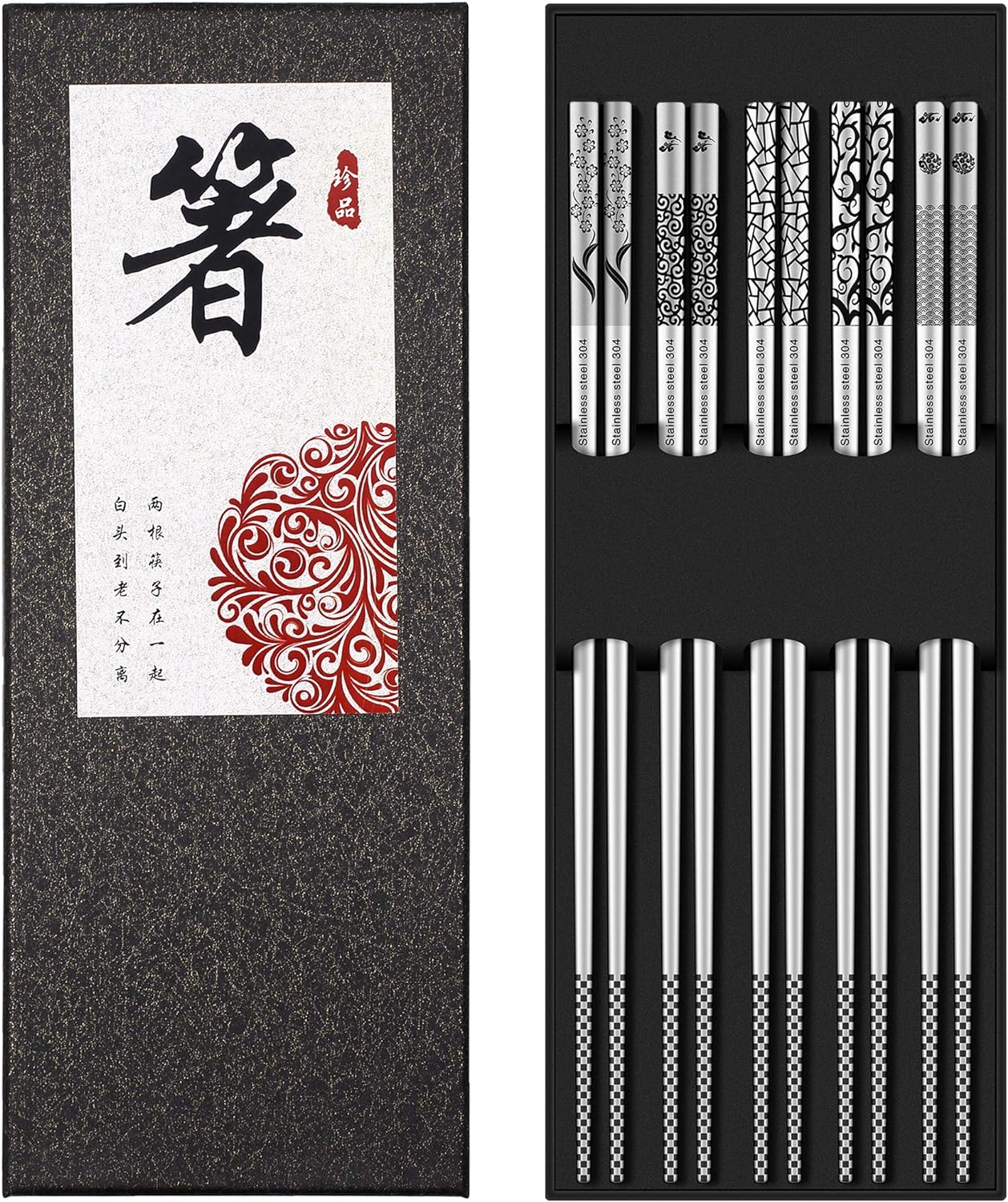 Best Seller
 Top Rated
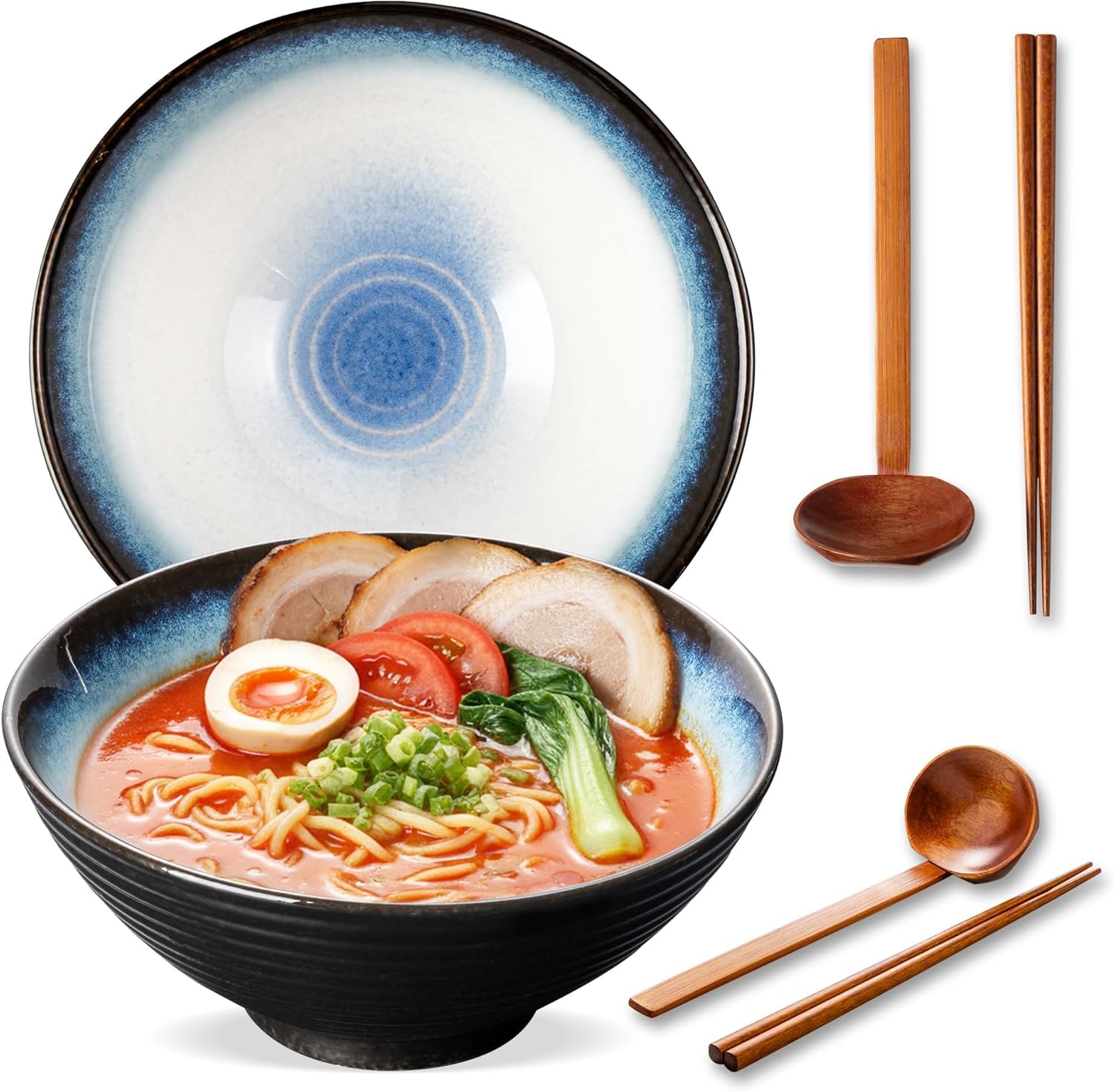 Staff Pick
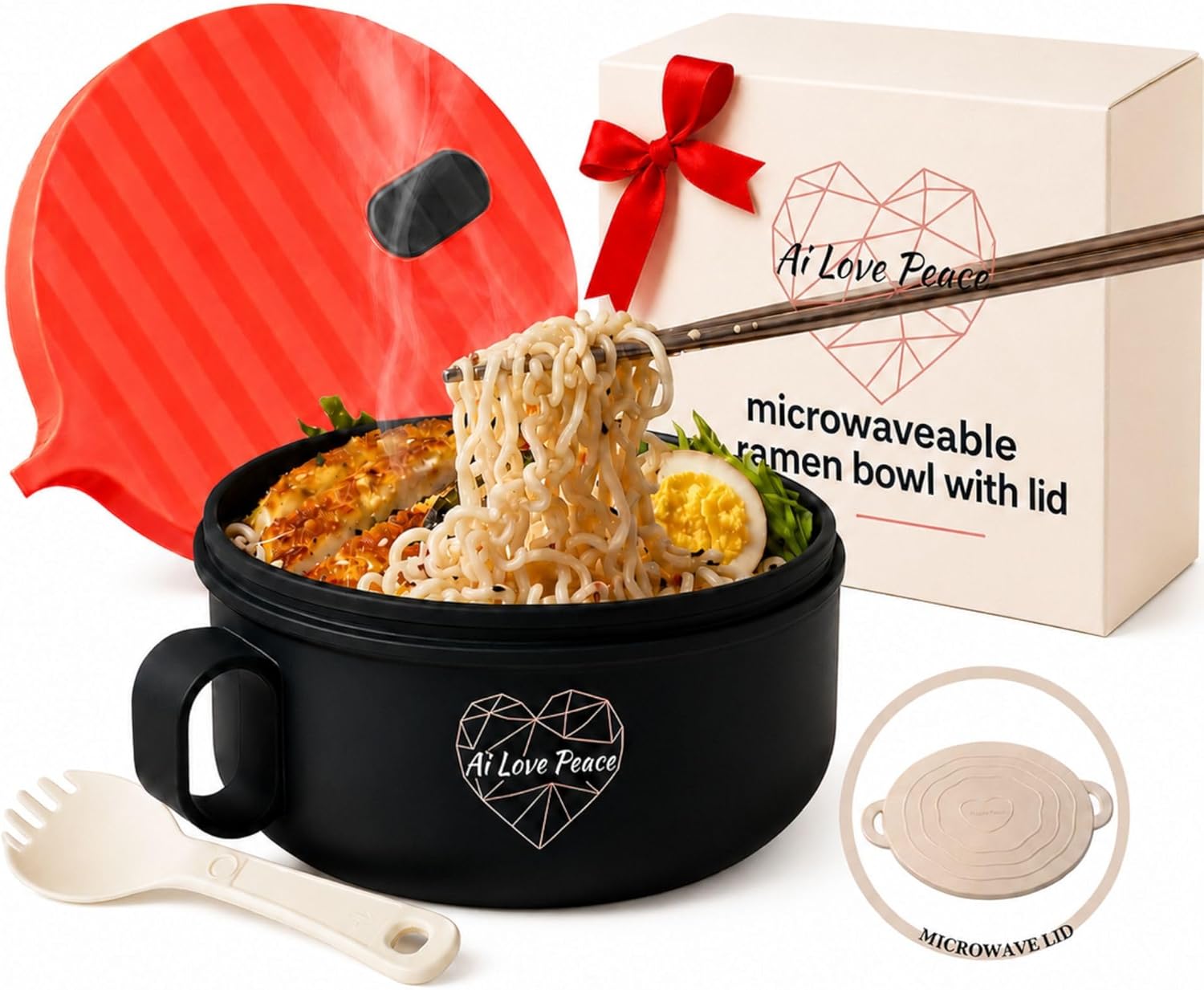 Best for Travel
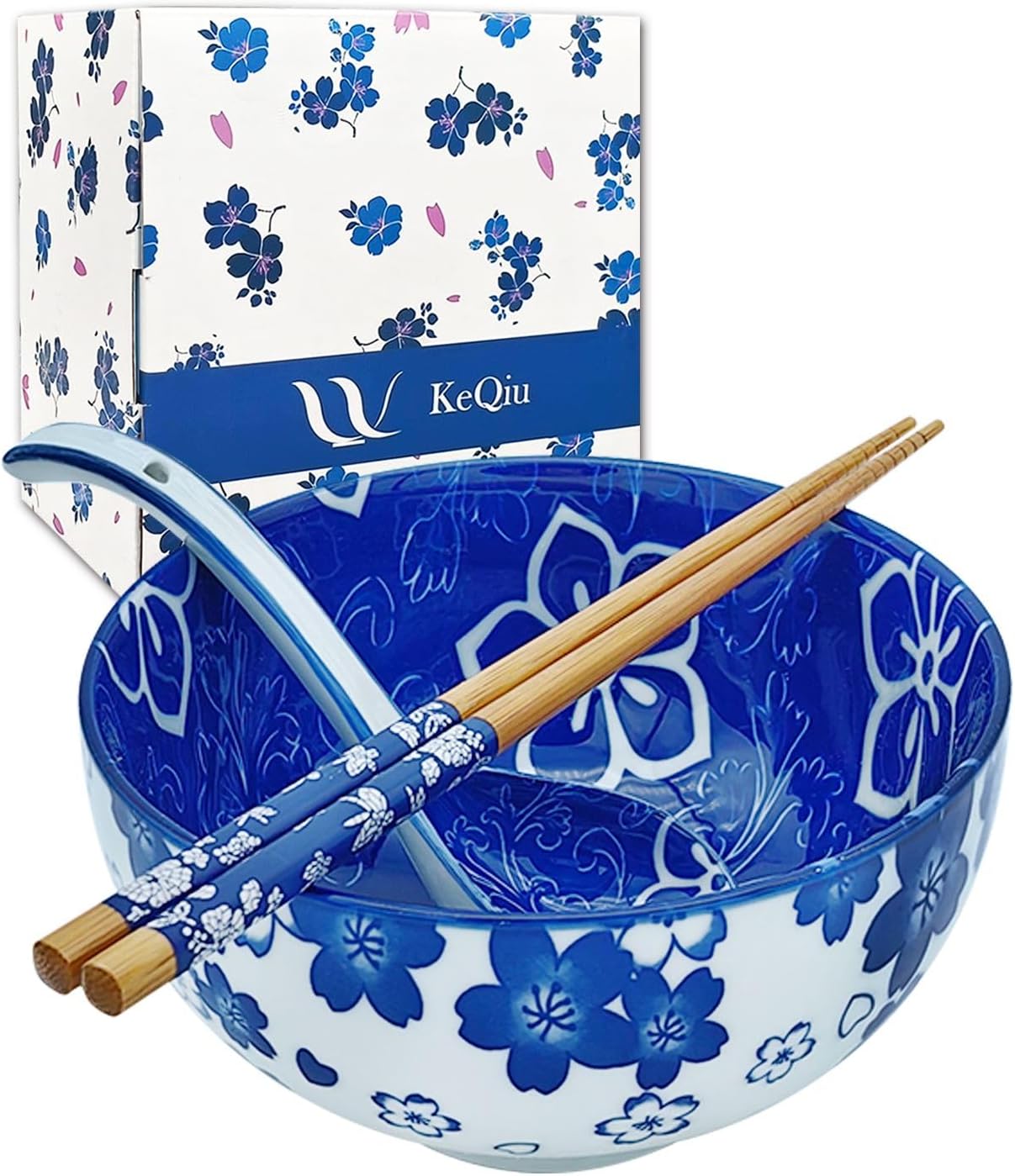 Gift Ready
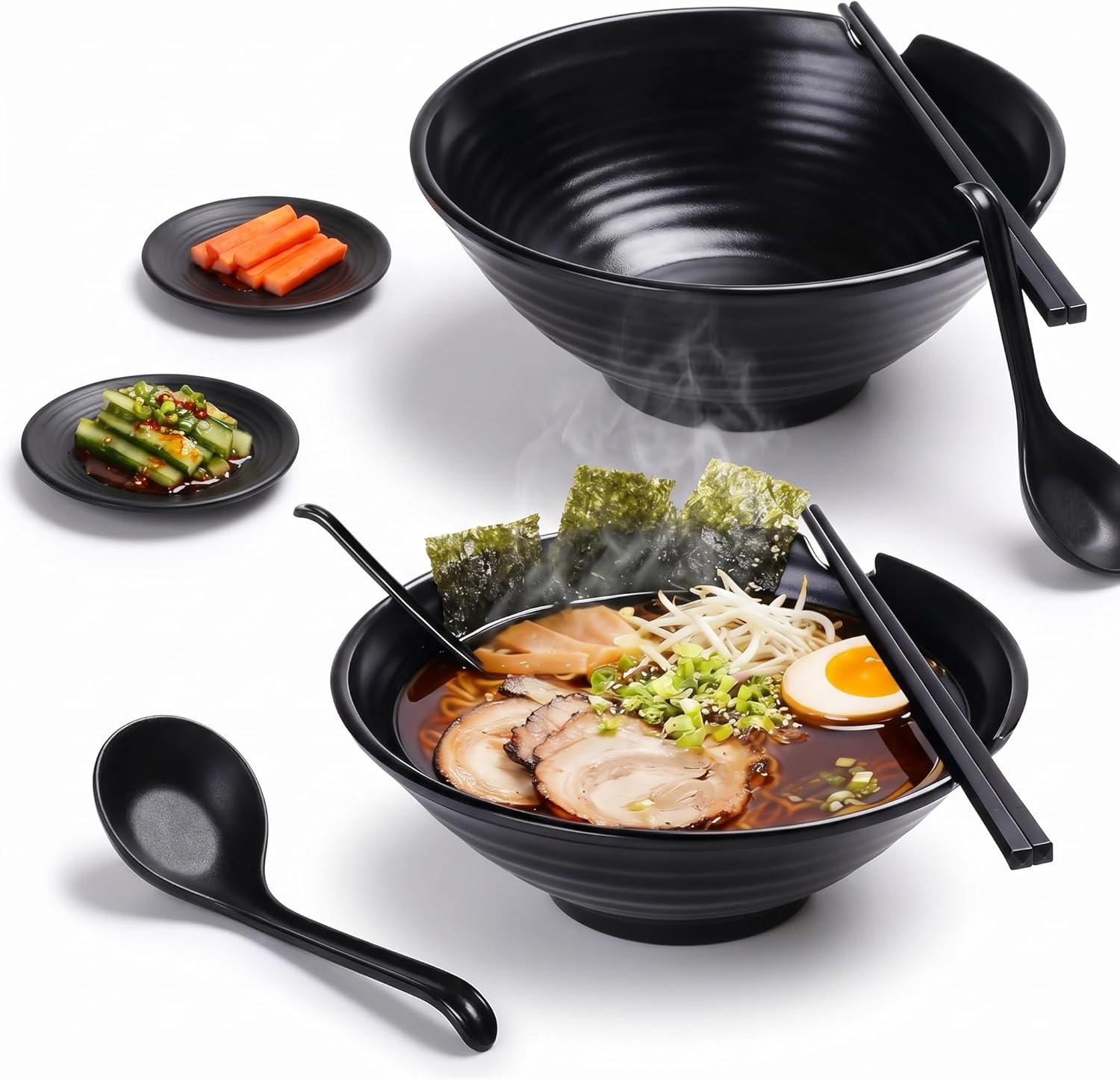 Shatter-Proof
* Affiliate links — we may earn a small commission at no extra cost to you.
 4
4JINYA Ramen Bar - Heights Waterworks is a standout Japanese restaurant in Houston with a menu of classic and creative ramen bowls. Known for vegan-friendly options.
 5
5Moderately priced Japanese destination in Pearland offering a wide selection of ramen styles. Features vegan-friendly options.
 6
6JINYA Ramen Bar - Fort Collins, in Fort Collins, is next up, rated 4.9 out of 5 from 4,172 reviews.
 7
7Tucked into Sugar Land, JINYA Ramen Bar - Sugar Land is one of the top-rated Japanese shop offering a satisfying lineup of noodle bowls. Highlights include vegan-friendly options.
 8
8With 4.9 stars and 3,867 reviews, JINYA Ramen Bar - Carrollton is a popular ramen destination in Carrollton, Texas. Highlights include vegan-friendly options, vegetarian options, delivery, outdoor seating, a full bar, mid-range pricing.
 9
9A celebrated Japanese spot in Houston serving a rotating menu of ramen styles. Offers vegan-friendly options and a curated sake and cocktail menu.
 10
10With 4.9 stars and 2,667 reviews, JINYA Ramen Bar - Preston Hollow is a popular ramen destination in Dallas, Texas. Highlights include vegan-friendly options, vegetarian options, delivery, outdoor seating, a full bar, mid-range pricing.
 11
11With 4.9 stars. JINYA Ramen Bar - South Bend is a top-rated restaurant in South Bend. offering vegan-friendly options, a full bar.
 12
12JINYA Ramen Bar - Culver City is a ramen restaurant serving the Los Angeles area.
 13
13Modern casual chain known for its tonkotsu ramen noodle soup & other Japanese dishes.
 14
14Moderately priced Japanese destination in Katy offering a wide selection of ramen styles. Features vegan-friendly options.
 15
15Modern casual chain known for its tonkotsu ramen noodle soup & other Japanese dishes.
 16
16With 4.8 stars, JINYA Ramen Bar - FM 1960 stands out as a standout Japanese spot in Houston delivering consistently satisfying ramen. Come for vegan-friendly options, stay for a curated sake and cocktail menu.
 17
17With 4.8 stars and 3,801 reviews, JINYA Ramen Bar - Arlington is a popular ramen destination in Arlington, Virginia. Highlights include vegan-friendly options, vegetarian options, delivery, outdoor seating, a full bar, mid-range pricing.
 18
18JINYA Ramen Bar - OKC - Nichols Hills, in Oklahoma City, is next up, rated 4.8 out of 5 from 2,525 reviews.
 19
19JINYA Ramen Bar - Colorado Springs, in Colorado Springs, is next up, rated 4.8 out of 5 from 2,395 reviews.
 20
20JINYA Ramen Bar - Union Market is a ramen restaurant in Washington, DC.
 21
21JINYA Ramen Bar - Georgetown is a ramen restaurant in Washington, DC.
 22
22Elegant outlet of an LA-based Japanese chain known for long-simmered noodle soups, wide menu, and drinks.
 23
23Vibrant gathering place spotlighting ramen entrees & finger foods, plus rice & poke bowls.
 24
24JINYA Ramen Bar - Tulsa, in Tulsa, is next up, rated 4.7 out of 5 from 4,889 reviews.
 25
25Modern chain serving ramen noodle varieties & other traditional Japanese fare, with a large bar.
 26
26JINYA Ramen Bar - SouthPark, in Charlotte, is next up, rated 4.7 out of 5 from 2,651 reviews.
 27
27A standout Japanese spot in Kennesaw serving a rotating menu of ramen styles. Offers vegan-friendly options and a curated sake and cocktail menu.
 28
28Japanese noodles & small plates served with sake & beer in a comfortable setting.
 29
29Popular noodle house & bar with funky vibe serving classic ramen with many options for topping.
 30
30Informal ramen restaurant with a specialty for tonkotsu ramen in a pork bone broth.
 31
31Branch of a Tokyo-based chain specializing in tonkotsu ramen, griddled dishes, and fried chicken.
 32
32Casual, modern Japanese chain serving varieties of ramen noodle soup & other traditional dishes.
 33
33Casual branch of a local chain specializing in Japanese noodle soup, located in a shopping center.
 34
34A well-loved Japanese spot in Alpharetta serving a rotating menu of ramen styles. Offers vegan-friendly options and a curated sake and cocktail menu.
 35
35Traditional ramen, plus gyoza, special sushi rolls & sake in a casual, brick-walled eatery.
 36
36A Japanese destination in Buford with a menu built around comfort and flavor. Guests enjoy vegan-friendly options and a curated sake and cocktail menu.
 37
37With 4.6 stars and 1,146 reviews, JINYA Ramen Bar - Lake Grove is a popular ramen destination in Lake Grove, New York. Highlights include vegan-friendly options, vegetarian options, outdoor seating, a full bar.
 38
38With 4.6 stars, JINYA Ramen Bar - Poncey Highland stands out as a well-loved Japanese spot in Atlanta delivering consistently satisfying ramen. Come for vegan-friendly options, stay for a curated sake and cocktail menu.
 39
39With 4.6 stars and 985 reviews, Ramen Tatsu is a popular ramen destination in Las Vegas, Nevada. Highlights include vegetarian options, delivery, a full bar, budget-friendly pricing.
 40
40JINYA Ramen Bar - Hilton Head Island, in Hilton Head Island, is next up, rated 4.6 out of 5 from 308 reviews.
41JINYA Ramen Bar - Nashville, in Nashville, is next up, rated 4.6 out of 5 from 180 reviews.
 42
42Classic Tonkotsu Ramen, in Peoria, is next up, rated 4.6 out of 5 from 58 reviews.
 43
43Popular noodle house & bar with a funky vibe serving classic ramen with many options for topping.
 44
44Branch of a Japanese chain serving tonkotsu ramen bowls at tables or solo booths with no tipping.
 45
45Contemporary spot for Japanese ramen (including hakata style), along with rice bowls, beer & sake.
 46
46With 4.5 stars and 2,432 reviews, JINYA Ramen Bar - Flamingo is a popular ramen destination in Las Vegas, Nevada. Highlights include vegan-friendly options, vegetarian options, delivery, a full bar, mid-range pricing.
 47
47Informal Japanese chain serving charcoal-grilled yakitori, plus sushi, udon & ramen.
 48
48Tonkotsu-style ramen is the specialty of this informal Japanese cafe with counter seating & tables.
 49
49JINYA Ramen Bar - Overland Park, in Kansas City, is next up, rated 4.5 out of 5 from 1,631 reviews.
 50
50Moderately priced Japanese destination in Duluth offering a wide selection of ramen styles. Features vegan-friendly options.
 51
51JINYA Ramen Bar - Downtown LA is a ramen restaurant serving the Los Angeles area.
 52
52Hip Japanese spot specializing in hearty noodle soups & dumplings, plus craft beers.
 53
53With 4.5 stars and 824 reviews, JINYA Ramen Bar - Rainbow is a popular ramen destination in Las Vegas, Nevada. Highlights include vegan-friendly options, vegetarian options, delivery, a full bar, mid-range pricing.
 54
54Long-standing eatery turning out sushi, sake & other Japanese fare in a basic setting.
 55
55With 4.5 stars. JINYA Ramen Bar - Fishers is a top-rated ramen restaurant in Fishers. offering vegan-friendly options, a full bar.
 56
56JINYA Ramen Bar - Wharf is a ramen restaurant in Washington, DC.
 57
57Hip spot for creative ramen bowls & sides, plus sake & Japanese coffee served at communal tables.
 58
58Japanese noodle-soup specialist serves up hot bowls in a bright, casual setting.
 59
59With 4.4 stars and 1,094 reviews, JINYA Ramen Bar - Royal Oak is a popular ramen destination in Royal Oak, Michigan. Highlights include vegan-friendly options, vegetarian options, delivery, a full bar.
 60
60Down-to-earth Japanese restaurant whipping up traditional tonkotsu, miso & veggie ramen.
 61
61JINYA Ramen Bar - Honolulu, in Honolulu, is next up, rated 4.4 out of 5 from 278 reviews.
 62
62Hakata Downtown, in Jacksonville, is next up, rated 4.4 out of 5 from 76 reviews.
 63
63With 4.4 stars and 54 reviews, Hakata Ramen Restaurant is a popular ramen destination in Springville, Utah.
 64
64Casual branch of a chain specializing in Japanese noodle soup, located in a shopping center.
 65
65JINYA Ramen Bar - Bellevue, in Bellevue, is next up, rated 4.3 out of 5 from 1,185 reviews.
 66
66Steaks are grilled at hibachi tables at this group-friendly Japanese eatery with a sushi menu.
 67
67JINYA Ramen Bar - Ameristar Black Hawk, in Black Hawk, is next up, rated 4.3 out of 5 from 325 reviews.
 68
68Tonkotsu- and shoyu-style ramen, rice bowls, beer & sake in a pint-size space with cozy tables.
 69
69Cozy Japanese ramen shop dishing up Hakata-style pork bone ramen & dumplings.
 70
70Petite Japanese eatery specializing in bowls of tonkotsu or jidori broth with housemade noodles.
 71
71With 4.2 stars, Ramen Tatsu-Ya stands out as a well-regarded Japanese spot in Houston delivering consistently satisfying ramen. Come for vegan-friendly options, stay for a curated sake and cocktail menu.
 72
72With 4.1 stars and 202 reviews, JINYA Ramen Bar - Henderson is a popular ramen destination in Henderson, Nevada. Highlights include vegetarian options, delivery, a full bar, mid-range pricing.
 73
73Walk-up counter in the Hollywood & Highland complex for a variety of ramen bowls & Japanese sides.
 74
74This small shopping-center outpost serves up steaming volcano ramen bowls & classic rice dishes.
 75
75Shin-Sen-Gumi Hakata Ramen Express - Hollywood is a ramen restaurant serving the Los Angeles area.
 76
76Informal Japanese chain serving charcoal-grilled yakitori, plus sushi, udon & ramen.
 77
77Hakata Ramen House, in Glenview, is next up.
A curated PDF you can keep on your phone — everything worth eating, hand-picked and written up by us. Delivered to your inbox after checkout.
Secure checkout via Stripe. We'll email your guide once payment clears.
:max_bytes(150000):strip_icc()/21187-ramen-noodle-soup-DDMFS-202-4x3-beauty--56b4542883b644b2a574a196e3322e0c.jpg)
Tonkotsu is the bowl that made me fall in love with ramen — that rich, creamy, milky-white pork broth that coats every noodle and stays with you long after the last sip. The first time I had a properly made tonkotsu, I understood immediately why people fly to Fukuoka just for a bowl. The map above is filtered to tonkotsu ramen near you, so you can skip straight to the good stuff. Enter your ZIP or use your location and the closest spots sort to the top.
Great tonkotsu is a labor of love, and not every bowl labeled "tonkotsu" lives up to the name. The difference between a simmered-all-day tonkotsu and a shortcut version is unmistakable once you know what to taste for. Here is what the style actually is, how to recognize a serious version, and exactly how I order it to get the most out of every bowl.
I have eaten a lot of tonkotsu over the years, in tiny counter-seat shops and in sprawling restaurants, and the through-line in every memorable bowl is time. The broth cannot be rushed. When a kitchen puts in the hours, you taste it immediately in the weight and cling of the broth. This guide is my attempt to help you find that bowl wherever you are right now.
Beyond just finding a nearby spot, I want to give you the vocabulary and the confidence to walk in, read a menu, and order like you know exactly what you are doing. Tonkotsu has its own customs around noodle firmness, extra noodle portions, and condiments that are worth knowing before you sit down.
Read the guideTonkotsu vs. Shoyu vs. Shio vs. Miso: The 4 Types of Ramen ExplainedHow tonkotsu compares to the other three classic broth styles — history, technique, flavor, and what to order.Tonkotsu means "pork bone," and that is the whole secret. The bones — typically femur and knuckle bones — are blanched to remove impurities, then boiled hard at a rolling simmer for 12 to 18 hours until the collagen and marrow fully break down into a thick, opaque, almost creamy white broth. It originated in Fukuoka (Hakata) on the island of Kyushu and is traditionally served with thin, firm, straight noodles and paper-thin slices of chashu pork. Done right, it is rich without being greasy — deeply porky, savory, and carrying a subtle natural sweetness that makes you want to drink every drop. The bowl is deliberately simple in construction because the broth itself is the star, and nothing should compete with it.
Milky-white and full-bodied from long-simmered pork bones — the texture should coat the noodles and cling to the side of the bowl, not sit thin and watery. If you tilt the bowl and the broth slides cleanly, it was not simmered long enough.
Classic Hakata style uses thin, firm, straight noodles cooked to order at your chosen firmness. "Katame" means extra firm, "futsuu" is standard, and "yawarakame" is soft. I always go katame so the noodles hold up in the rich broth rather than turning mushy.
Chashu pork, wood-ear mushroom (kikurage), scallion, and often a soft marinated egg (ajitsuke tamago). Many Hakata-style shops let you order kaedama — an extra portion of noodles dropped into your remaining broth so you can finish every last drop.
The tell is the broth's body. A serious tonkotsu has real weight and cling — you can see it coating the side of the bowl, and it leaves a thin film on your spoon — because it was simmered for the better part of a day. Thin, pale, or oily-on-top broth usually means a shortcut: either a concentrate was used or the simmer was cut short. I also look for shops that specialize in tonkotsu rather than offering ten different broths on the same menu; the focused kitchens almost always nail it because they are tending that one pot all day. The smell is another signal — a good tonkotsu shop has a deep, porky aroma that hits you as soon as you walk in.
The broth should be genuinely milky and opaque, not translucent with a creamy swirl. Opacity comes from sustained high heat breaking down the collagen, and it cannot be faked quickly.
A shop that does only tonkotsu, or tonkotsu with a couple of small variations, is almost always better than one offering every broth style. Specialization means that pot has been tended, tasted, and adjusted all day.
Many Hakata-style shops put sesame seeds to crush, pickled ginger, extra garlic, and chili oil on the table. These are meant to customize the bowl as you eat, and their presence signals a shop that takes the full experience seriously.
If the shop cooks noodles to order, I ask for them firm (katame) so they hold up in the rich broth without going soft before I finish. I add a soft egg and extra chashu without hesitation — the egg yolk bleeds into the broth and makes it even richer, and you can never have too much chashu. If there is a kaedama option, I order a second round of noodles to finish the broth at the end rather than leaving any behind. A little fresh crushed garlic from the table takes it over the top, and a small swirl of the chili oil adds a nice contrast to the richness. I tend to skip the pickled ginger on the first bowl so I can taste the broth clean, then add it toward the end for a palate-cleansing brightness.
Use the condiments thoughtfully: garlic deepens the savory notes, chili oil adds heat, and pickled ginger cuts the richness. Add one at a time so you can taste the effect of each.
When you are down to mostly broth, order kaedama. The cook drops fresh noodles directly into your bowl. It is the Hakata way to finish, and it means nothing is wasted.
Tonkotsu broth is thick and hot, so it holds temperature well. Still, eat the noodles first before they soften too much, then slow down and enjoy the broth on its own terms.
Want a deeper dive into a specific city's tonkotsu scene? I have written dedicated guides for these cities, each with its own map, top picks, and local notes:
While Hakata tonkotsu is the archetype, the style has spawned variations across Japan and beyond. Kurume tonkotsu, from a city south of Fukuoka, is even darker and more intensely flavored from a longer simmer and a "returning soup" technique where old broth is blended into each new batch. Kumamoto tonkotsu tends to be slightly lighter and is often enriched with a small amount of chicken broth and finished with roasted garlic oil. Outside Japan, many shops blend tonkotsu with other stocks or add their own signatures — a touch of soy, a hit of miso — which can produce excellent bowls even if they stray from the original. My approach when I encounter a variation is to ask the staff what makes their version distinct, then order it as they intended.
The original: very thin straight noodles, clean milky broth, minimal toppings, and kaedama service. Purists love it for its restraint and intensity.
Darker and more pungent from the returning-soup method, with a deeper, almost funky depth that regular tonkotsu does not have. It is an acquired taste and worth seeking out.
Many shops outside Japan blend tonkotsu with other elements — truffle oil, smoked chashu, or a soy tare — creating hybrid bowls that honor the technique while adding new dimensions. Approach with an open mind.
Tonkotsu is ramen built on a rich, creamy broth made by simmering pork bones for 12 to 18 hours until the collagen and marrow break down into a milky, opaque stock. It originated in Fukuoka (Hakata) on the island of Kyushu and is typically served with thin, firm noodles, chashu pork, wood-ear mushroom, and scallion. The broth is the entire point of the bowl.
Yes — "tonkotsu" literally means pork bone. The broth is made entirely from pork bones and the bowl is usually topped with chashu pork, so it is not vegetarian unless a shop offers a dedicated plant-based version. If you avoid pork, ask specifically — some shops make a chicken or mixed-base version under the same name.
The map above is already filtered to tonkotsu. Enter your ZIP code or tap "Use my location" to sort the closest bowls by distance, then open any listing to see hours, photos, reviews, and directions. I recommend sorting by distance first and then checking ratings.
Look for a broth with real body that coats the bowl and your spoon — the result of a long, sustained simmer. Thin, pale, or oily-on-top broth signals a shortcut. Shops that specialize in tonkotsu rather than offering many broth styles are almost always better. A good tonkotsu shop also smells deeply porky and savory from the moment you walk in.
Katame means firm noodles, and it is my default request at any Hakata-style shop. Thin tonkotsu noodles cook quickly and continue softening in the hot broth, so ordering them firm ensures they still have bite by the time you are halfway through the bowl. The opposite is yawarakame (soft), and futsuu is the standard in between.
Kaedama is an extra portion of noodles that you order when your bowl is mostly broth. The cook drops fresh noodles directly into your remaining soup so you can finish every drop. It is a Hakata tradition and a sign that a shop is serious about the full tonkotsu experience. Some shops include kaedama in the price; others charge a small extra fee.
The opacity comes from the way pork bones are cooked: at a vigorous, rolling boil for many hours, which emulsifies the fat and collagen into the water and creates a milky suspension. A slow simmer produces a clear stock; it is only the sustained high heat that drives the transformation into tonkotsu's signature creamy texture.
Tonkotsu is a calorie-dense, protein-rich bowl — the broth is high in collagen, fat, and sodium. It is not a diet food, but the collagen from the bones is genuinely nutritious. If you are watching sodium, drink less of the broth; the noodles and toppings on their own are more moderate. Treat it as an occasional indulgence rather than an everyday meal.
From the community