
 1
1JINYA Ramen Bar - Union Station
JINYA Ramen Bar - Union Station, out in Denver, is our top pick — rated 4.9 out of 5 from 19,089 reviews.
Every ramen restaurant we track that matches this, ranked by rating and review volume. Search by name or city, or switch to the map.
93 ramen restaurants on this page
93 ramen restaurants
1JINYA Ramen Bar - Union Station, out in Denver, is our top pick — rated 4.9 out of 5 from 19,089 reviews.
 2
2With 4.9 stars, JINYA Ramen Bar - Woodlands stands out as one of the top-rated Japanese spot in Spring delivering consistently satisfying ramen. Come for vegan-friendly options, stay for a curated sake and cocktail menu.
 3
3A Japanese destination in Cypress with a menu built around comfort and flavor. Guests enjoy vegan-friendly options and a curated sake and cocktail menu.
Ramen Gear
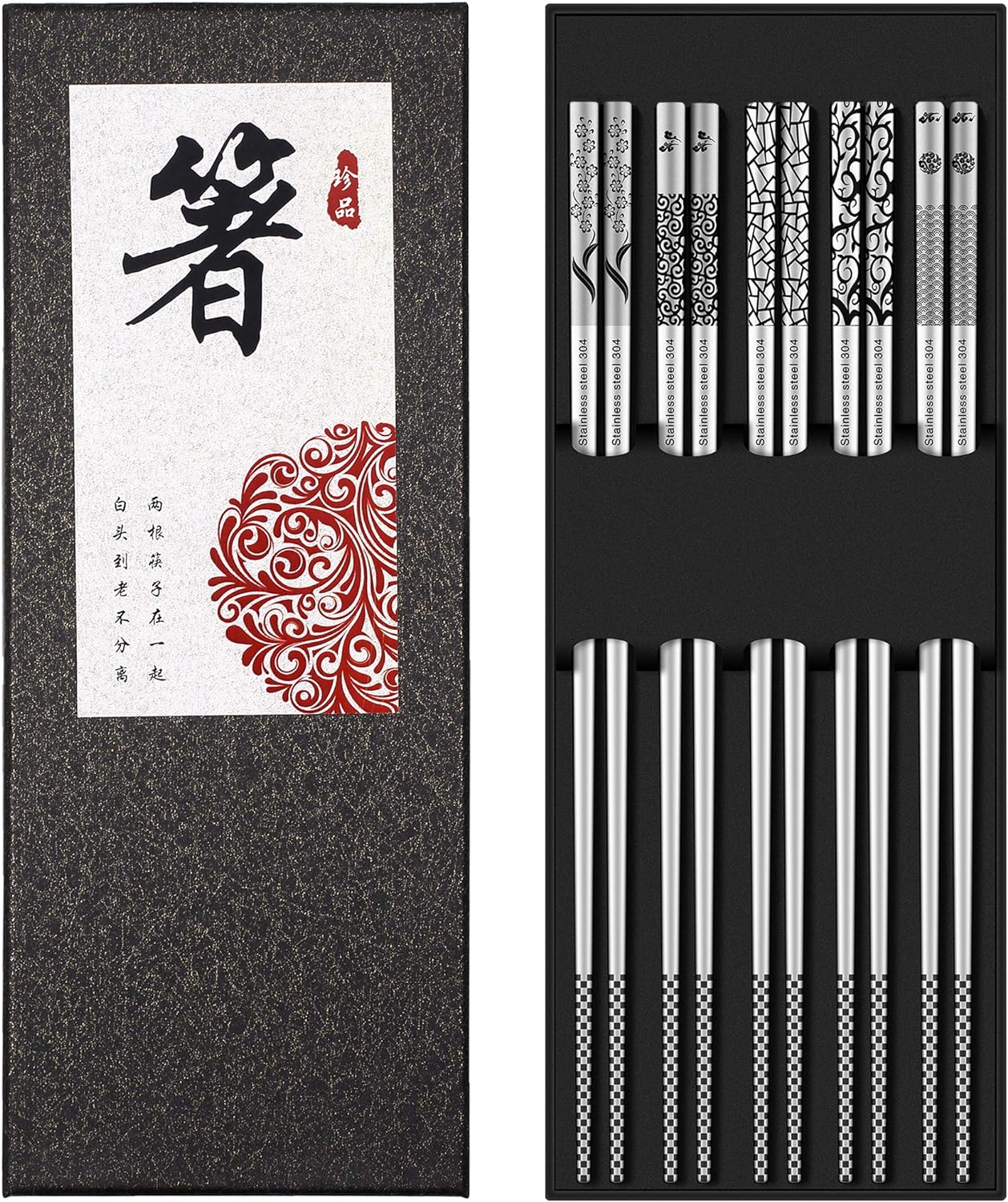 Best Seller
 Top Rated
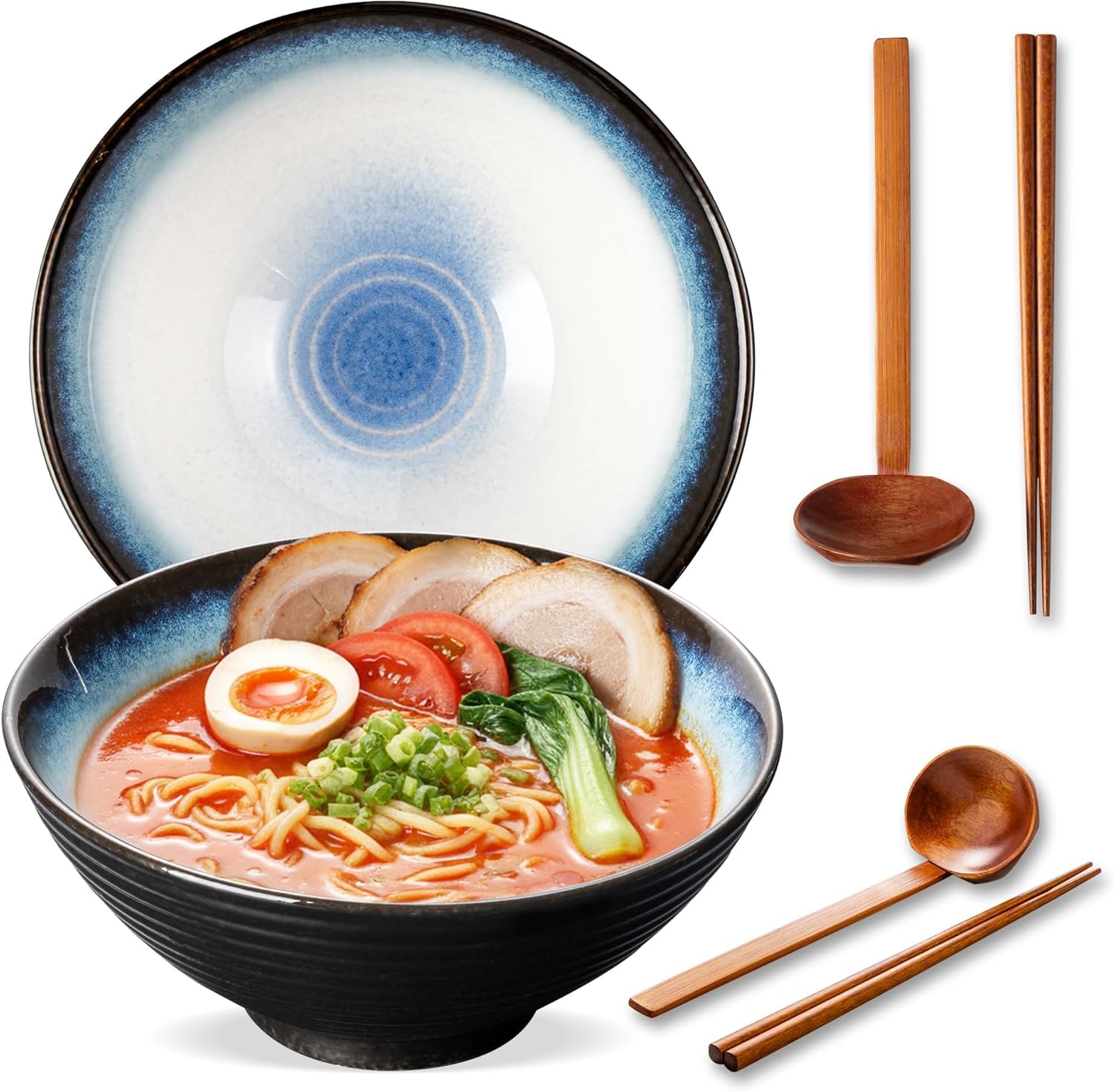 Staff Pick
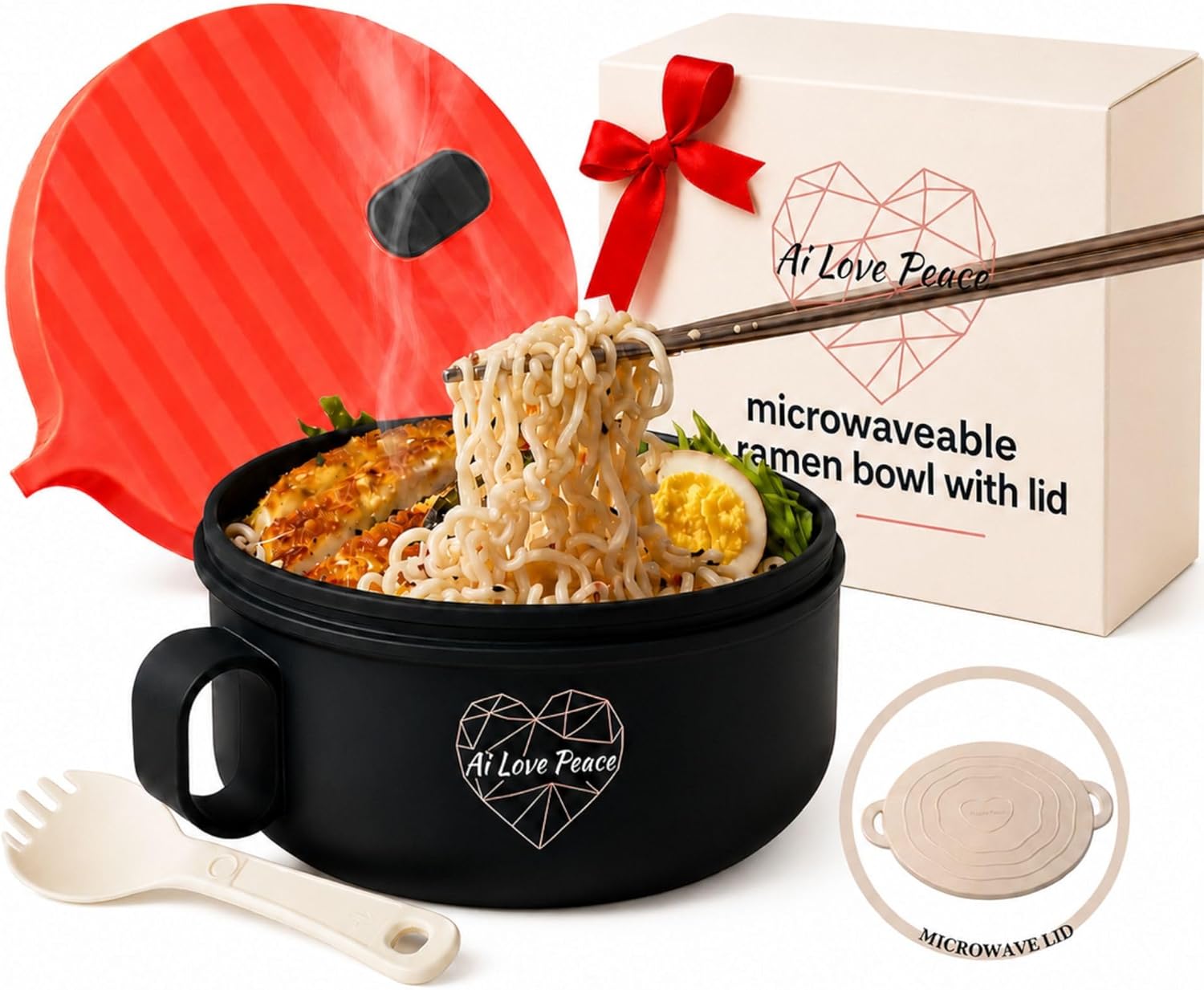 Best for Travel
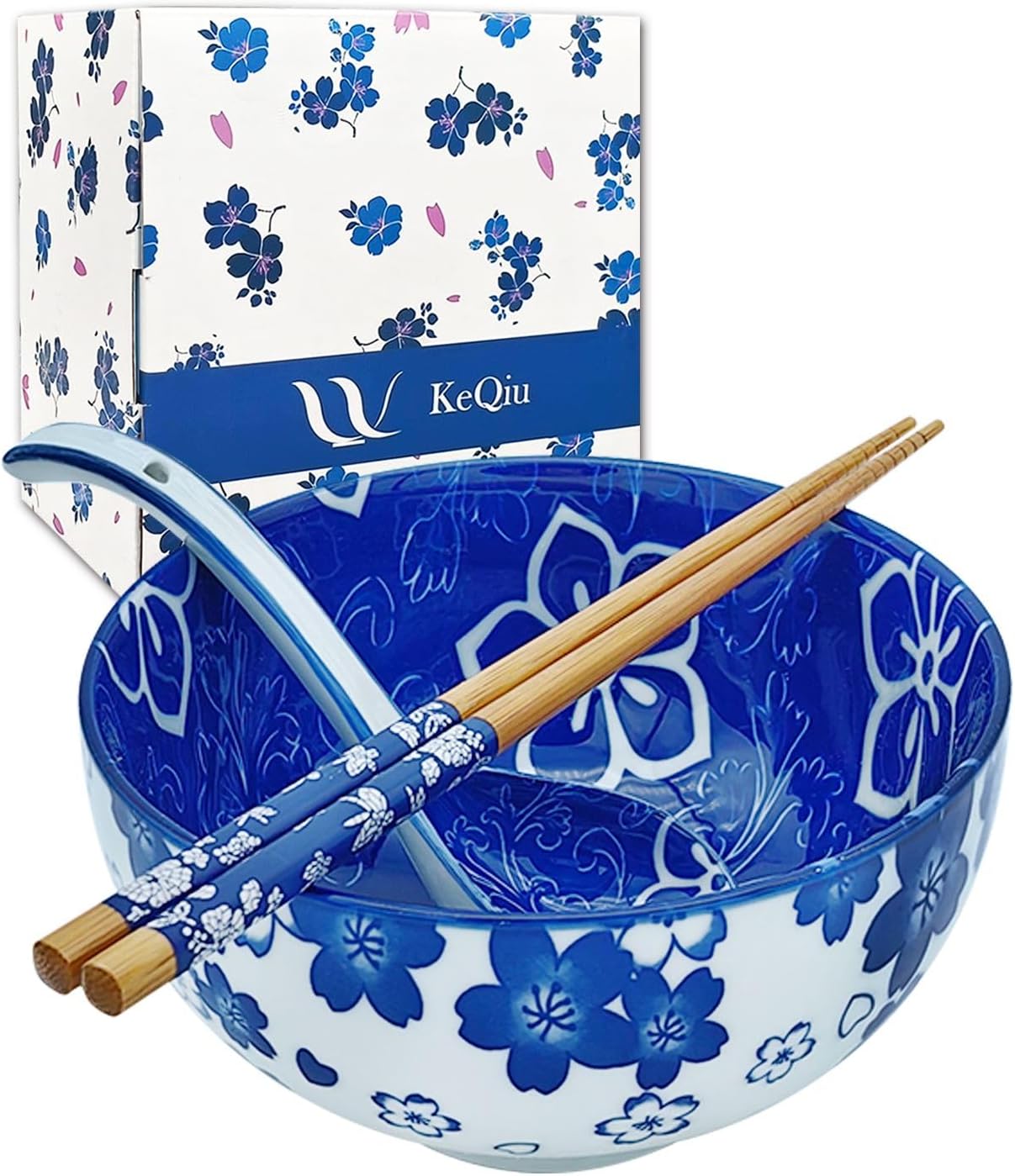 Gift Ready
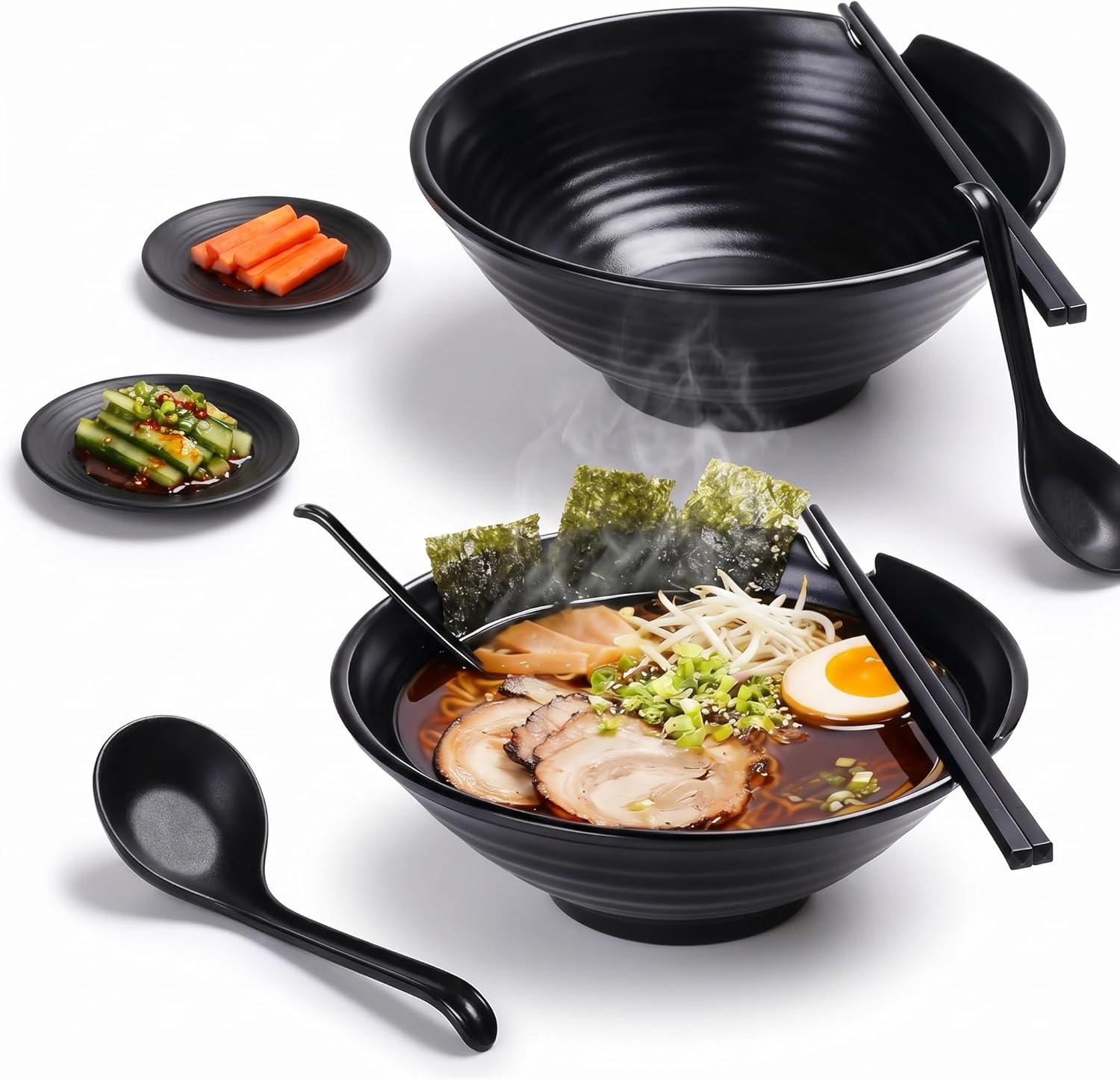 Shatter-Proof
* Affiliate links — we may earn a small commission at no extra cost to you.
 4
4JINYA Ramen Bar - Heights Waterworks is a standout Japanese restaurant in Houston with a menu of classic and creative ramen bowls. Known for vegan-friendly options.
 5
5Moderately priced Japanese destination in Pearland offering a wide selection of ramen styles. Features vegan-friendly options.
 6
6JINYA Ramen Bar - Fort Collins, in Fort Collins, is next up, rated 4.9 out of 5 from 4,172 reviews.
 7
7Tucked into Sugar Land, JINYA Ramen Bar - Sugar Land is one of the top-rated Japanese shop offering a satisfying lineup of noodle bowls. Highlights include vegan-friendly options.
 8
8With 4.9 stars and 3,867 reviews, JINYA Ramen Bar - Carrollton is a popular ramen destination in Carrollton, Texas. Highlights include vegan-friendly options, vegetarian options, delivery, outdoor seating, a full bar, mid-range pricing.
 9
9A celebrated Japanese spot in Houston serving a rotating menu of ramen styles. Offers vegan-friendly options and a curated sake and cocktail menu.
 10
10With 4.9 stars and 2,667 reviews, JINYA Ramen Bar - Preston Hollow is a popular ramen destination in Dallas, Texas. Highlights include vegan-friendly options, vegetarian options, delivery, outdoor seating, a full bar, mid-range pricing.
 11
11With 4.9 stars. JINYA Ramen Bar - South Bend is a top-rated restaurant in South Bend. offering vegan-friendly options, a full bar.
 12
12JINYA Ramen Bar - Culver City is a ramen restaurant serving the Los Angeles area.
 13
13One of Sacramento's highest-rated ramen spots, Karai Sushi Spicy Noodle Teriyaki earns its 4.9-star reputation across 57 reviews.
 14
14Modern casual chain known for its tonkotsu ramen noodle soup & other Japanese dishes.
 15
15Moderately priced Japanese destination in Katy offering a wide selection of ramen styles. Features vegan-friendly options.
 16
16Modern casual chain known for its tonkotsu ramen noodle soup & other Japanese dishes.
 17
17With 4.8 stars, JINYA Ramen Bar - FM 1960 stands out as a standout Japanese spot in Houston delivering consistently satisfying ramen. Come for vegan-friendly options, stay for a curated sake and cocktail menu.
 18
18With 4.8 stars and 3,801 reviews, JINYA Ramen Bar - Arlington is a popular ramen destination in Arlington, Virginia. Highlights include vegan-friendly options, vegetarian options, delivery, outdoor seating, a full bar, mid-range pricing.
 19
19JINYA Ramen Bar - OKC - Nichols Hills, in Oklahoma City, is next up, rated 4.8 out of 5 from 2,525 reviews.
 20
20JINYA Ramen Bar - Colorado Springs, in Colorado Springs, is next up, rated 4.8 out of 5 from 2,395 reviews.
 21
21JINYA Ramen Bar - Union Market is a ramen restaurant in Washington, DC.
 22
22Unpretentious Korean restaurant serving fried chicken, spicy meat & rice dishes, plus ramen.
 23
23JINYA Ramen Bar - Georgetown is a ramen restaurant in Washington, DC.
 24
24Elegant outlet of an LA-based Japanese chain known for long-simmered noodle soups, wide menu, and drinks.
 25
25Vibrant gathering place spotlighting ramen entrees & finger foods, plus rice & poke bowls.
 26
26JINYA Ramen Bar - Tulsa, in Tulsa, is next up, rated 4.7 out of 5 from 4,889 reviews.
 27
27Modern chain serving ramen noodle varieties & other traditional Japanese fare, with a large bar.
 28
28JINYA Ramen Bar - SouthPark, in Charlotte, is next up, rated 4.7 out of 5 from 2,651 reviews.
 29
29A standout Japanese spot in Kennesaw serving a rotating menu of ramen styles. Offers vegan-friendly options and a curated sake and cocktail menu.
 30
30Casual spot for classic ramen noodle dishes like spicy tori paitan, plus gyoza chicken & pork buns.
 31
31Casual eatery dispensing South Korean fare such as spicy dishes with noodles & seafood pancakes.
 32
32Spicy Thai Kitchen Fort Gratiot, in Fort Gratiot Township, is next up, rated 4.7 out of 5 from 35 reviews.
 33
33Casual, modern Japanese chain serving varieties of ramen noodle soup & other traditional dishes.
 34
34Casual branch of a local chain specializing in Japanese noodle soup, located in a shopping center.
 35
35A well-loved Japanese spot in Alpharetta serving a rotating menu of ramen styles. Offers vegan-friendly options and a curated sake and cocktail menu.
 36
36A Japanese destination in Buford with a menu built around comfort and flavor. Guests enjoy vegan-friendly options and a curated sake and cocktail menu.
 37
37With 4.6 stars and 1,146 reviews, JINYA Ramen Bar - Lake Grove is a popular ramen destination in Lake Grove, New York. Highlights include vegan-friendly options, vegetarian options, outdoor seating, a full bar.
 38
38With 4.6 stars, JINYA Ramen Bar - Poncey Highland stands out as a well-loved Japanese spot in Atlanta delivering consistently satisfying ramen. Come for vegan-friendly options, stay for a curated sake and cocktail menu.
 39
39Aptly named BYOB spot for spicy takes on homestyle Thai recipes plus street food.
 40
40Snug Thai joint with contemporary decor serving spicy stir-fries, noodle dishes & curries.
 41
41Lao and Thai Spicy Noodle, in South Elgin, is next up, rated 4.6 out of 5 from 403 reviews.
 42
42New Spicy House, in Waianae, is next up, rated 4.6 out of 5 from 396 reviews.
 43
43JINYA Ramen Bar - Hilton Head Island, in Hilton Head Island, is next up, rated 4.6 out of 5 from 308 reviews.
 44
44Mai's Spicy Kitchen, in New Baltimore, is next up, rated 4.6 out of 5 from 268 reviews.
45JINYA Ramen Bar - Nashville, in Nashville, is next up, rated 4.6 out of 5 from 180 reviews.
 46
46With 4.5 stars and 2,432 reviews, JINYA Ramen Bar - Flamingo is a popular ramen destination in Las Vegas, Nevada. Highlights include vegan-friendly options, vegetarian options, delivery, a full bar, mid-range pricing.
 47
47JINYA Ramen Bar - Overland Park, in Kansas City, is next up, rated 4.5 out of 5 from 1,631 reviews.
 48
48Moderately priced Japanese destination in Duluth offering a wide selection of ramen styles. Features vegan-friendly options.
 49
49JINYA Ramen Bar - Downtown LA is a ramen restaurant serving the Los Angeles area.
 50
50Hip Japanese spot specializing in hearty noodle soups & dumplings, plus craft beers.
 51
51No-frills institution in a shopping center offering spicy Korean fried chicken & other BBQ staples.
 52
52Japanese spot for spicy ramen bowls, appetizers, beer & sake, with counter & table seating.
 53
53With 4.5 stars and 824 reviews, JINYA Ramen Bar - Rainbow is a popular ramen destination in Las Vegas, Nevada. Highlights include vegan-friendly options, vegetarian options, delivery, a full bar, mid-range pricing.
 54
54With 4.5 stars. JINYA Ramen Bar - Fishers is a top-rated ramen restaurant in Fishers. offering vegan-friendly options, a full bar.
 55
55JINYA Ramen Bar - Wharf is a ramen restaurant in Washington, DC.
 56
56Spicy curries, noodles & other Thai favorites, plus wine, served in a comfortable environment.
 57
57Spicy curries, noodle dishes & other Thai favorites whipped up in easygoing surroundings.
 58
58Hip & casual outpost for Asian favorites with spicy sauces, plus coffee drinks & bubble tea.
 59
59Snug spot offering spicy curries, noodles & other classic Thai dishes in a warm atmosphere.
 60
60Spicy Style of Sichuan, in Seattle, is next up, rated 4.5 out of 5 from 437 reviews.
 61
61Traditional Indonesian fare, like curries & spicy noodles, plus a wide range of vegetarian dishes.
 62
62Modest strip-mall eatery featuring spicy Thai curries & noodle dishes, with vegetarian options.
 63
63Spicy curries, noodles & other traditional Thai fare served in small, comfy quarters.
 64
64Tsujita turns spicy at this ramen noodle bar with customizable bowls ranked by heat level.
 65
65Japanese noodle-soup specialist serves up hot bowls in a bright, casual setting.
 66
66With 4.4 stars and 1,094 reviews, JINYA Ramen Bar - Royal Oak is a popular ramen destination in Royal Oak, Michigan. Highlights include vegan-friendly options, vegetarian options, delivery, a full bar.
 67
67Stylish spot cooking up an array of Asian cuisines, including sushi, spicy dishes & vegetarian fare.
 68
68Small, family-run Thai spot in a strip mall offering curries, noodles & other spicy specialties.
 69
69Casual Pan-Asian eatery specializes in classic Chinese dishes, spicy Thai curries & inventive rolls.
 70
70This Japanese ramen joint serves noodle soups (with spicy options) & fried-rice dishes.
 71
71Spicy soups, noodles & curries flavor the menu at this bright Thai joint with decorative Asian art.
 72
72Spicy curries & other Thai favorites served in a modest space with a full bar & warm atmosphere.
 73
73JINYA Ramen Bar - Honolulu, in Honolulu, is next up, rated 4.4 out of 5 from 278 reviews.
 74
74Laid-back restaurant in a shopping plaza serving spicy curries, noodles & other Thai favorites.
 75
75Casual branch of a chain specializing in Japanese noodle soup, located in a shopping center.
 76
76JINYA Ramen Bar - Bellevue, in Bellevue, is next up, rated 4.3 out of 5 from 1,185 reviews.
 77
77Popular spot serving noodles, spicy curries & other traditional Thai fare in small, simple quarters.
 78
78Traditional Thai dishes, from noodles & fried rice to curries, served in a stylish, cozy space.
 79
79JINYA Ramen Bar - Ameristar Black Hawk, in Black Hawk, is next up, rated 4.3 out of 5 from 325 reviews.
 80
80Chic outpost with an extensive menu of raw & cooked Asian fusion fare, plus sake & cocktails.
 81
81Spicy chicken, beef bulgogi & other traditional meat-focused dishes served in a modern venue.
 82
82Spicy Tokyo-style ramen & draft beers are served up in a casual locale at the Ala Moana Center.
 83
83Spicy curries, noodles & other classic Thai cooking served in a contemporary space with a warm vibe.
 84
84Spicy Thailand, in Warren, is next up, rated 4.2 out of 5 from 299 reviews.
 85
85Japanese counter-service joint specializing in teriyaki varieties, including spicy chicken.
 86
86Chinese eatery serving a varied menu of spicy Sichuan fare in a cozy room adorned with Asian art.
 87
87Classic Thai stir-fries & rice dishes served in an informal eatery with booth seating.
 88
88With 4.1 stars and 202 reviews, JINYA Ramen Bar - Henderson is a popular ramen destination in Henderson, Nevada. Highlights include vegetarian options, delivery, a full bar, mid-range pricing.
 89
89Casual strip-mall restaurant with a menu that goes beyond traditional Thai dishes to sushi & such.
 90
90Walk-up counter in the Hollywood & Highland complex for a variety of ramen bowls & Japanese sides.
 91
91Longtime staple for Pan-Asian cuisine serving tapioca teas & favorites like spicy chicken teriyaki.
 92
92Japanese restaurant with a menu including standards like spicy chicken, teriyaki chicken & tempura.
Hellboy Spicy Ramen, in Chicago, is next up.
A curated PDF you can keep on your phone — everything worth eating, hand-picked and written up by us. Delivered to your inbox after checkout.
Secure checkout via Stripe. We'll email your guide once payment clears.
:max_bytes(150000):strip_icc()/21187-ramen-noodle-soup-DDMFS-202-4x3-beauty--56b4542883b644b2a574a196e3322e0c.jpg)
This page is for my fellow heat seekers — the people who ask for it hot, get it hot, and then reach for the chili oil anyway. Maximum heat ramen is its own pursuit, and finding a bowl that genuinely challenges you while still tasting like exceptional ramen rather than a capsaicin endurance test is harder than it sounds. The map above is filtered to the spiciest ramen near you, the bowls built for serious heat chasers rather than casual spice fans. Enter your ZIP or use your location to find the closest fire.
Extra spicy ramen is not just about turning up a dial — the best high-heat bowls are carefully engineered to deliver maximum burn without destroying the underlying ramen. The broth still has to taste like ramen. The noodles still have to have texture. The toppings still have to make sense. Finding a kitchen that achieves all of this at a genuinely extreme heat level is one of the more satisfying discoveries in the entire world of ramen.
I have pushed through a lot of extra-spicy bowls over the years, some genuinely great and some that were clearly designed to hurt rather than satisfy. The distinction matters: great extra-spicy ramen has layers of heat that build and evolve through the bowl, a broth that stays complex under the fire, and an endorphin payoff that makes you want to come back. Bad extra-spicy ramen is just pure capsaicin poured over noodles with no further thought. The shops listed through the map above skew toward the former.
Here is where the real heat lives in the ramen world, how to order maximum heat without losing the bowl in the process, and what actually helps when a bowl is genuinely fiery.
The hottest ramen bowls usually come from a few specific sources: shops with a named extra-spicy tier or a numbered spice scale you can push to the top, Korean-influenced ramen using high volumes of gochugaru or gochujang, fiery tantanmen cranked to maximum chili, and spicy miso pushed to the upper limits. Some restaurants build a reputation entirely around heat challenges or a signature high-heat bowl designed for serious capsaicin enthusiasts. These are the spots worth seeking out when standard spicy ramen just is not cutting it — the shops that treat extreme heat as a craft rather than a gimmick. The key difference is whether the kitchen has designed a heat system that scales up without breaking the ramen, or whether they are simply adding more chili paste indiscriminately. The first approach produces something worth eating at full intensity; the second just produces pain without pleasure.
Shops that let you choose a level from a numbered or named scale are where you can truly max out the heat with some confidence that the kitchen has thought about what maximum heat means for that specific bowl.
These rich, chili-forward styles absorb extreme heat better than lighter broths because the fat and body of the base carry the capsaicin through the bowl instead of just scorching the top layer.
Gochugaru- and gochujang-spiked ramen brings a different, deeper kind of heat — fermented, fruity, complex — that is worth seeking out specifically as an alternative to pure Japanese capsaicin heat.
The mistake many heat seekers make is treating extra-spicy ramen like a tolerance test rather than a meal. Drowning a delicate broth in chili until it tastes like nothing but capsaicin defeats the entire purpose. The best extra-spicy bowls keep the ramen fully recognizable under the fire — you still taste the miso, sesame, pork, or shoyu beneath the heat. The broth still has body and umami. The noodles still have texture. My approach is to always choose a rich, robust base that can carry extreme heat — spicy miso and tantanmen are the most reliable choices because their inherent richness and fat content absorb and distribute the capsaicin evenly throughout the bowl. I push the spice level up to the maximum tier, then add chili oil at the table so I can dial in additional burn incrementally rather than committing to an unknown ceiling from the first order.
Real talk on the science: capsaicin is fat- and dairy-soluble, not water-soluble, which is why chugging ice water when a bowl is too hot just spreads the capsaicin molecules further rather than binding to them and removing them. The fat in a rich tonkotsu or miso broth is your actual ally — it is actively dissolving capsaicin as you eat, which is part of why a fatty, rich bowl at high heat is more manageable than a light broth at the same heat level. A soft egg does the same work more intensely: mixing yolk into a very spicy broth noticeably reduces the perceived heat. If a bowl genuinely defeats you, something cold and slightly sweet — a crisp lager, a slightly sweet highball, a cold tea with a little sugar — helps far more than water. Pace yourself through the bowl rather than eating fast, and lean into the endorphin release that builds as you go. That warm, slightly euphoric feeling after finishing a very spicy bowl is the whole point, and it rewards patience.
One thing I have found genuinely useful over years of eating extra-spicy ramen is that heat tolerance is actually trainable. The capsaicin receptors that signal pain and heat to your brain can be temporarily desensitized through regular exposure, which is why experienced heat seekers can eat bowls that would be genuinely distressing to someone who rarely eats spicy food. I do not recommend diving into maximum heat as a first experience — starting at a moderate spice level and working upward over multiple visits is both more enjoyable and more effective for building real tolerance. Eating spicy ramen regularly, even at moderate heat, shifts your baseline over time. What felt challenging at first becomes comfortable, and you naturally start reaching for higher levels to get the same warmth and endorphin response. This is how most serious heat enthusiasts get where they are, and it is a genuinely rewarding process.
Build heat tolerance progressively over multiple visits rather than jumping to maximum immediately. You will enjoy each bowl more and actually develop lasting tolerance.
Regular exposure to capsaicin temporarily desensitizes the receptors that signal heat, raising your functional baseline over time. Consistency matters more than single extreme challenges.
Heat tolerance varies enormously between people and even day to day based on what else you have eaten. Calibrating your order to where you are on a given day produces better bowls than always ordering at your theoretical maximum.
The map above is filtered to the spiciest bowls available. Enter your ZIP or tap "Use my location" to find max-heat ramen nearby, especially shops with a numbered spice scale where you can push the level to the maximum tier.
Bowls with adjustable numbered spice levels set to the top tier are the most reliably extreme. Fiery tantanmen, spicy miso cranked to maximum, and Korean-influenced gochugaru or gochujang ramen all tend to bring the most heat. The style matters less than whether the shop has designed its heat system to scale up without breaking the bowl.
Choose a shop with a spice scale and request the top level, but pick a rich base like spicy miso or tantanmen that can carry extreme heat while staying recognizable as ramen. Add chili oil at the table to push further, incrementally. Ordering maximum heat with a light broth usually produces something that tastes like little more than hot liquid.
Capsaicin is fat- and dairy-soluble, not water-soluble, so the broth's own fat, a soft egg with yolk mixed in, and a cold, slightly sweet drink help far more than ice water. Water just spreads capsaicin molecules around without binding to them. The fat in a rich ramen broth is actively working in your favor with every sip.
Yes — the best extra-spicy bowls keep the ramen fully recognizable beneath the heat. You should still taste the miso, sesame, pork, or shoyu under the chili. Kitchens that treat extreme heat as a craft rather than a gimmick design their heat systems to enhance the underlying bowl rather than erase it.
Yes, and it happens more quickly than most people expect. Capsaicin receptors can be temporarily desensitized through regular exposure, which is how experienced heat enthusiasts develop the ability to eat bowls that would be distressing to most people. The key is consistent exposure at escalating levels rather than occasional extreme challenges.
Egg yolk is rich in fat, and since capsaicin is fat-soluble, mixing yolk into a spicy broth actively reduces the perceived heat by binding to capsaicin molecules. It also adds a creamy richness that rounds out the fire and makes the bowl more balanced rather than one-dimensional.
Extra spicy ramen is designed for heat seekers who find standard spicy options insufficient. It typically involves either a maximum-tier spice level on a shop's numbered scale, a specially formulated high-heat broth, or Korean-influenced preparations using large amounts of gochugaru or gochujang. The key distinction is that the heat is the primary experience rather than a moderate enhancement.
From the community