
 1
13456tea
3456tea, out in Aurora, is our top pick — rated 5.0 out of 5 from 360 reviews.
Every ramen restaurant we track that matches this, ranked by rating and review volume. Search by name or city, or switch to the map.
250 ramen restaurants on this page
250 ramen restaurants
13456tea, out in Aurora, is our top pick — rated 5.0 out of 5 from 360 reviews.
 2
2Yatai Asian Kitchen, in Strasburg, is next up, rated 5.0 out of 5 from 112 reviews.
 3
3With 5.0 stars and 94 reviews, Hinode Izakaya is a popular ramen destination in Katy, Texas. Highlights include delivery.
Ramen Gear
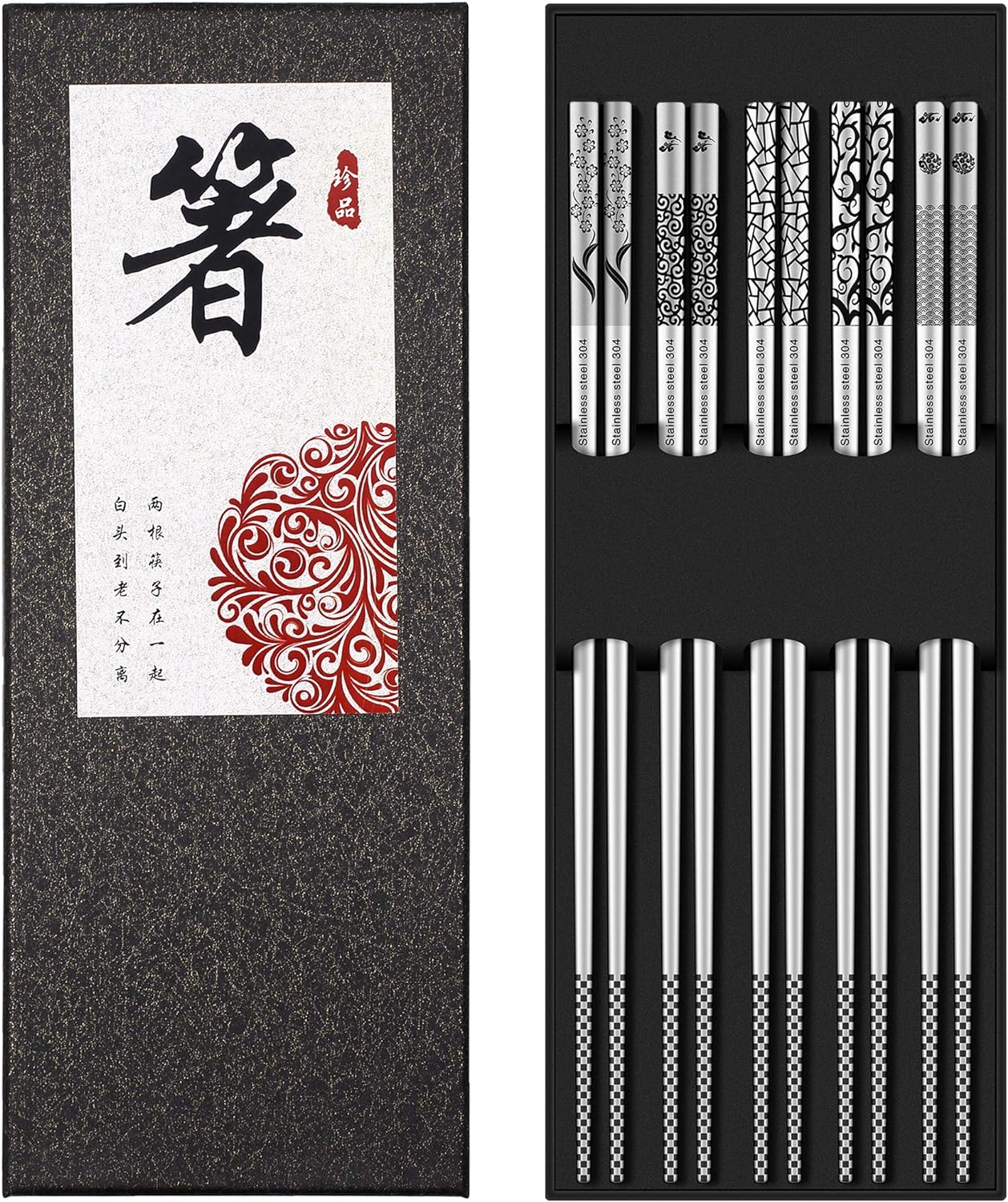 Best Seller
 Top Rated
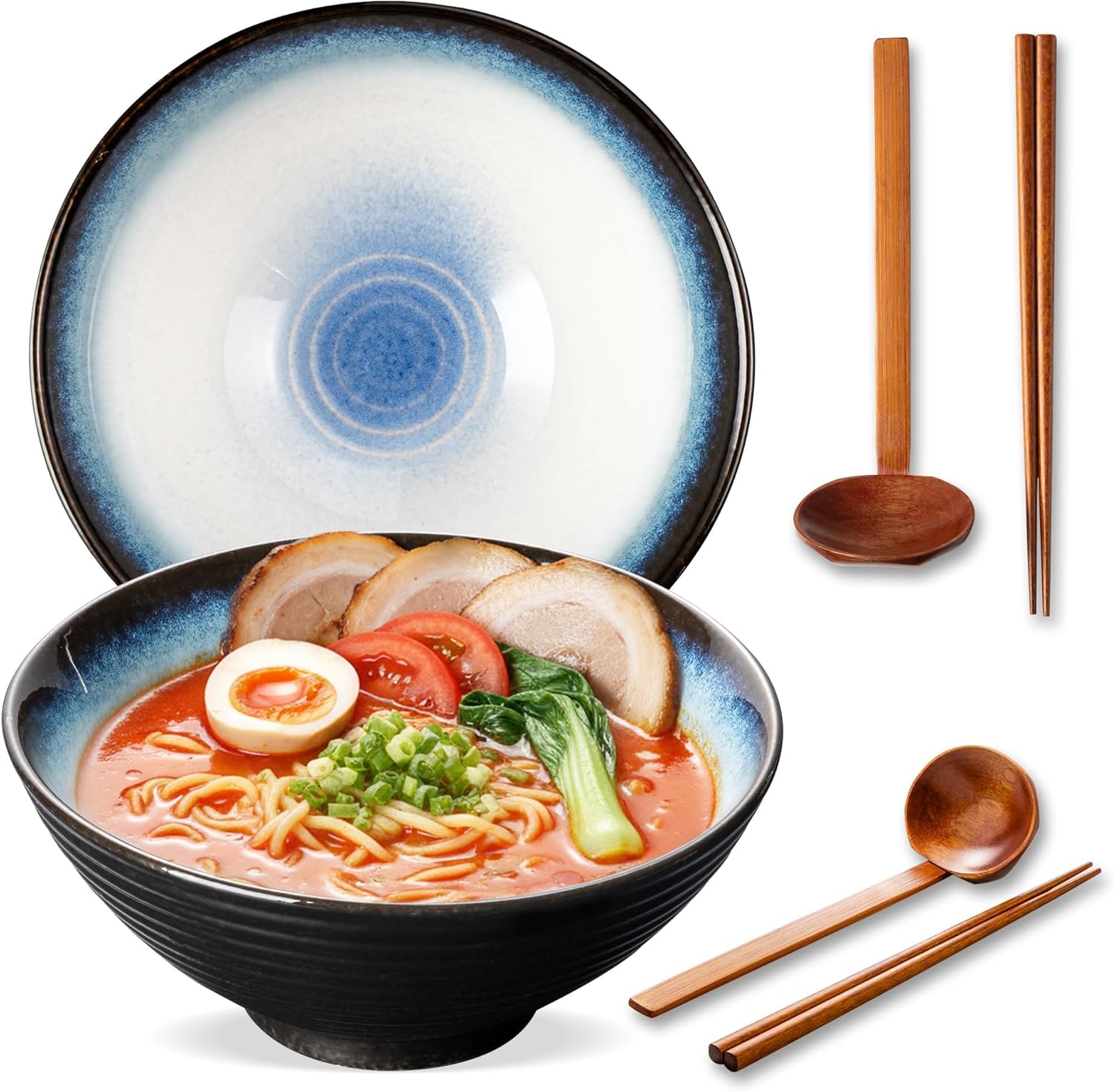 Staff Pick
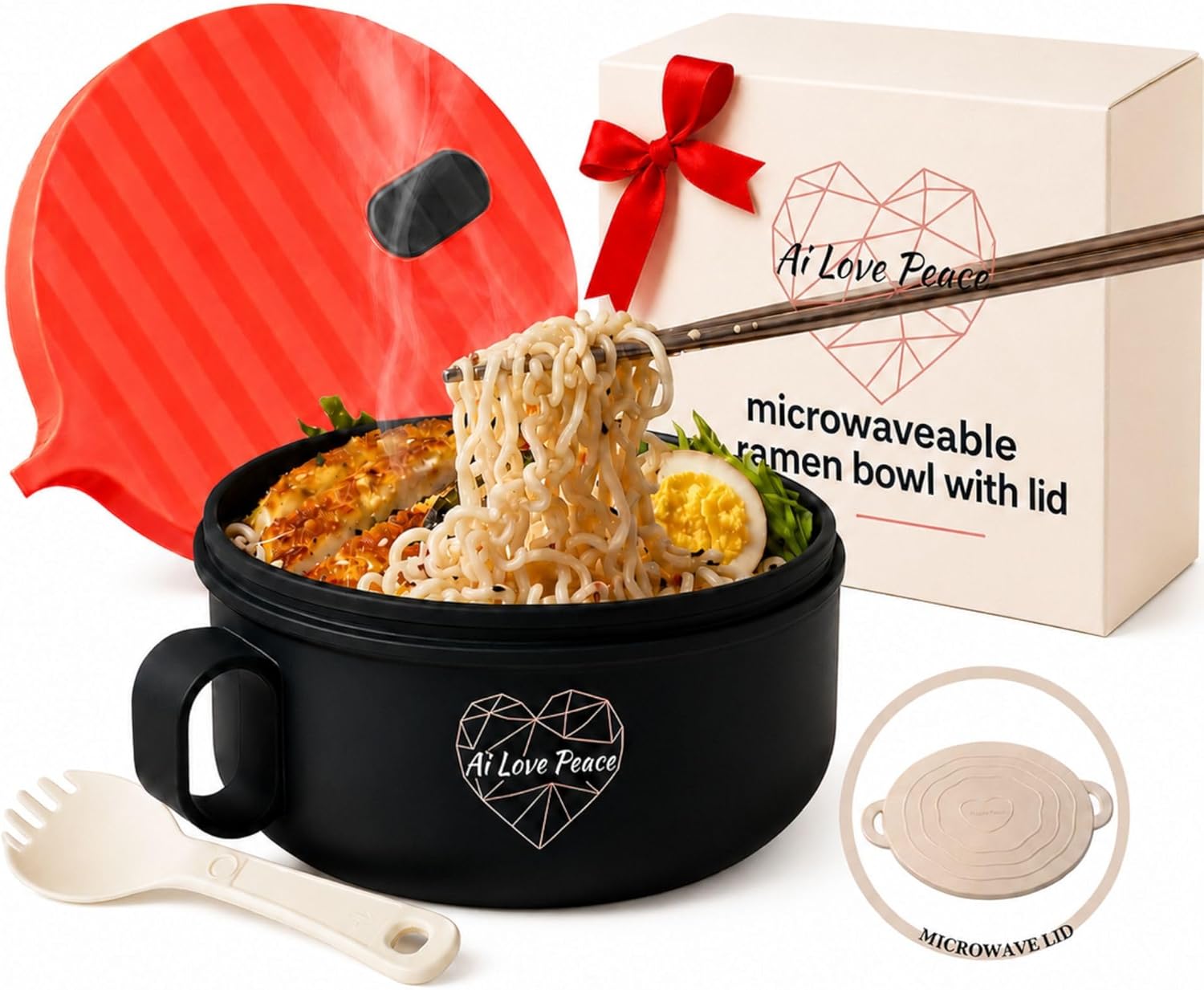 Best for Travel
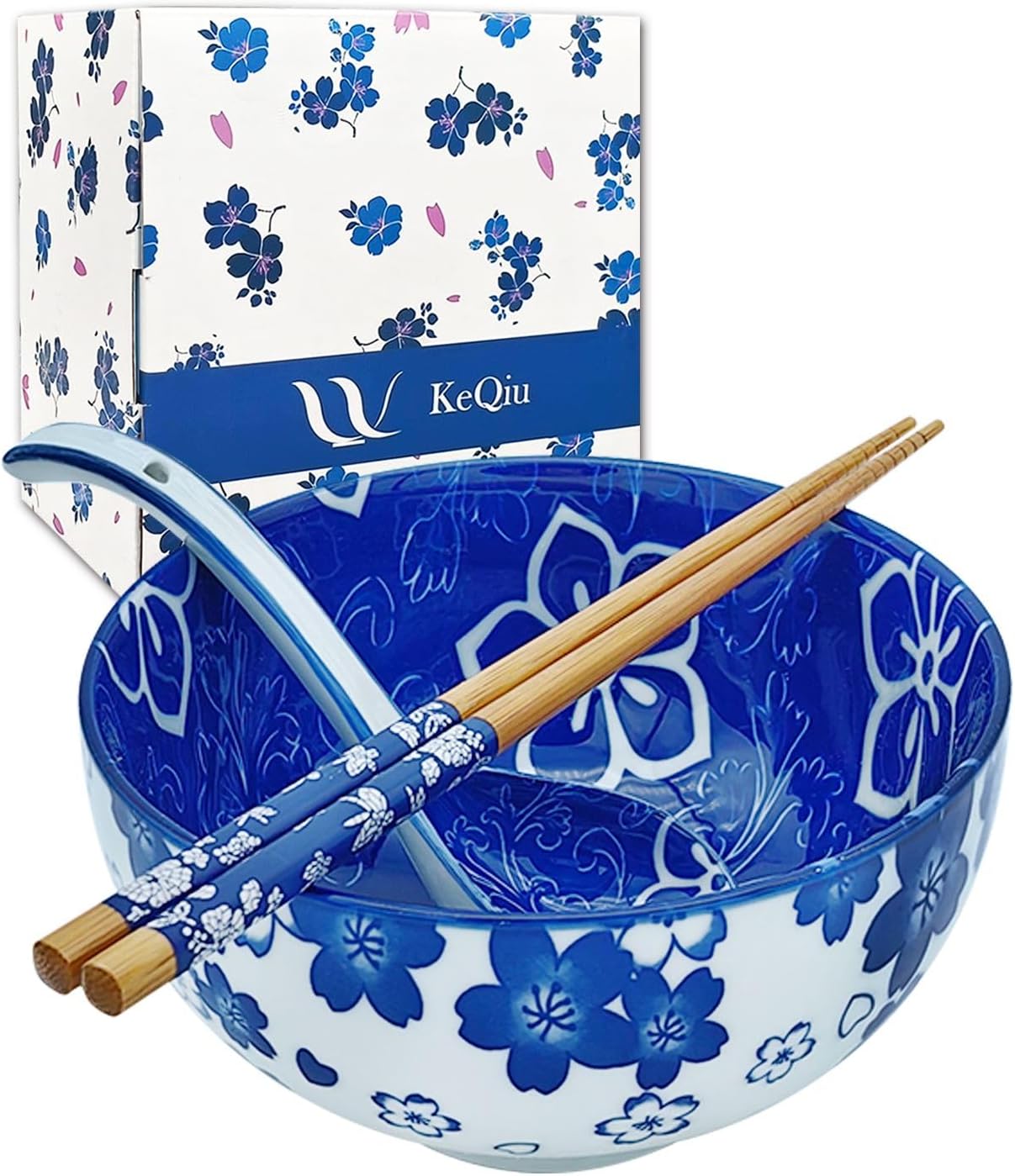 Gift Ready
 Shatter-Proof
* Affiliate links — we may earn a small commission at no extra cost to you.
 4
4Mount Fuji is a ramen restaurant in Franklin Square, NY.
 5
5Denya Ramen, in San Francisco, is next up, rated 5.0 out of 5 from 30 reviews.
 6
6Tamashii Ramen House, in Oklahoma City, is next up, rated 5.0 out of 5 from 20 reviews.
 7
7A ramen bar destination in Covington with a menu built around comfort and flavor. Guests enjoy a curated sake and cocktail menu.
 8
8kinlin ramen sushi Teriyaki, in Watertown, is next up, rated 5.0 out of 5 from 9 reviews.
 9
9One of Sacramento's highest-rated ramen spots, E Ramen earns its 5.0-star reputation across 7 reviews. Offering delivery, it's a versatile spot for ramen lovers in Sacramento.
 10
10Jin 28 Express, in Highland Park, is next up, rated 5.0 out of 5 from 5 reviews.
 11
11With 5 stars, Zen Curry East is a top-rated restaurant in Las Vegas.
 12
12Alkhair Market, in Melvindale, is next up, rated 5.0 out of 5 from 3 reviews.
 13
13Japanese & American Bistro LLC, in Wyandotte, is next up, rated 5.0 out of 5 from 1 reviews.
 14
14Kai Modern Japanese Kitchen, in Aurora, is next up, rated 5.0 out of 5 from 1 reviews.
 15
15TAKU RAMEN & ASIAN FUSION, in Rock Hill, is next up, rated 5.0 out of 5 from 1 reviews.
 16
16JINYA Ramen Bar - Union Station, in Denver, is next up, rated 4.9 out of 5 from 19,089 reviews.
 17
17Tucked into Atlanta, Pelicana Chicken Atlanta is a celebrated Korean shop offering a satisfying lineup of noodle bowls. Highlights include a curated sake and cocktail menu.
 18
18Hawkers Asian Street Food, in Nashville, is next up, rated 4.9 out of 5 from 10,046 reviews.
 19
19A Japanese destination in Atlanta with a menu built around comfort and flavor. Guests enjoy a curated sake and cocktail menu and outdoor seating.
 20
20With 4.9 stars, JINYA Ramen Bar - Woodlands stands out as one of the top-rated Japanese spot in Spring delivering consistently satisfying ramen. Come for vegan-friendly options, stay for a curated sake and cocktail menu.
 21
21 22
22An array of hot pot bases & mix-ins with table heaters in a relaxed setting fit for large groups.
 23
23Talkin' Tacos Washington DC is a ramen restaurant in Washington, DC.
 24
24A Japanese destination in Cypress with a menu built around comfort and flavor. Guests enjoy vegan-friendly options and a curated sake and cocktail menu.
 25
25JINYA Ramen Bar - Heights Waterworks is a standout Japanese restaurant in Houston with a menu of classic and creative ramen bowls. Known for vegan-friendly options.
 26
26Moderately priced Japanese destination in Pearland offering a wide selection of ramen styles. Features vegan-friendly options.
 27
27JINYA Ramen Bar - Fort Collins, in Fort Collins, is next up, rated 4.9 out of 5 from 4,172 reviews.
 28
28Tucked into Sugar Land, JINYA Ramen Bar - Sugar Land is one of the top-rated Japanese shop offering a satisfying lineup of noodle bowls. Highlights include vegan-friendly options.
 29
29Sozai Japanese Restaurant is a ramen restaurant in New York, NY.
 30
30Lively neighborhood noodle joint for hot broth, ice-cold beers & ’90s hip-hop.
 31
31With 4.9 stars and 3,867 reviews, JINYA Ramen Bar - Carrollton is a popular ramen destination in Carrollton, Texas. Highlights include vegan-friendly options, vegetarian options, delivery, outdoor seating, a full bar, mid-range pricing.
 32
32A celebrated Japanese spot in Houston serving a rotating menu of ramen styles. Offers vegan-friendly options and a curated sake and cocktail menu.
 33
33With 4.9 stars and 2,667 reviews, JINYA Ramen Bar - Preston Hollow is a popular ramen destination in Dallas, Texas. Highlights include vegan-friendly options, vegetarian options, delivery, outdoor seating, a full bar, mid-range pricing.
 34
34With 4.9 stars. JINYA Ramen Bar - South Bend is a top-rated restaurant in South Bend. offering vegan-friendly options, a full bar.
 35
35Mr kimchi Korean AYCE BBQ Algonquin, in Algonquin, is next up, rated 4.9 out of 5 from 2,173 reviews.
 36
36Colorado Sake Co., in Denver, is next up, rated 4.9 out of 5 from 1,890 reviews.
 37
37Mi Kitchen, in Franklin, is next up, rated 4.9 out of 5 from 1,725 reviews.
 38
38Shabu Plus Rotary Hot Pot Chinatown, in Chicago, is next up, rated 4.9 out of 5 from 1,431 reviews.
 39
39With 4.9 stars, Ton Shou Premium Katsu & Izakaya is a top-rated izakaya restaurant in Las Vegas. offering a full bar, reservations accepted.
 40
40Zuka Sushi-Hibachi & Chinese (Bolingbrook), in Bolingbrook, is next up, rated 4.9 out of 5 from 1,306 reviews.
 41
41Szechuan Mansion Hotpot_Durham, in Durham, is next up, rated 4.9 out of 5 from 1,151 reviews.
 42
42REDWHITE BONELESS RAMEN is a ramen restaurant serving the Los Angeles area.
 43
43REDWHITE BONELESS RAMEN is a ramen restaurant serving the Studio City area.
 44
44Waukegan CM chicken Bobadod, in Waukegan, is next up, rated 4.9 out of 5 from 824 reviews.
 45
45Ubin Sushi, in Colorado Springs, is next up, rated 4.9 out of 5 from 675 reviews.
 46
46Blowfish Sushi & Ramen Northfield, in Northfield, is next up, rated 4.9 out of 5 from 662 reviews.
 47
47Kwan Thai Cuisine, in Vancouver, is next up, rated 4.9 out of 5 from 547 reviews.
 48
48Yonsei, in Thornton, is next up, rated 4.9 out of 5 from 534 reviews.
 49
49Kim’s Korean Cuisine & Sushi, in Chicago, is next up, rated 4.9 out of 5 from 475 reviews.
 50
50Mustache MilkTea - Boba Tea & Coffee Shop ( Shoreline ), in Shoreline, is next up, rated 4.9 out of 5 from 456 reviews.
 51
51Tucked into Duluth, Ramyun Gallery - Duluth is one of the top-rated Korean shop offering a satisfying lineup of noodle bowls. Highlights include a curated sake and cocktail menu.
 52
52JINYA Ramen Bar - Culver City is a ramen restaurant serving the Los Angeles area.
 53
53With 4.9 stars and 378 reviews, Fuji Ramen is a popular ramen destination in Avon, Indiana. Highlights include vegan-friendly options, vegetarian options, a full bar.
 54
54ANJU, in Charlotte, is next up, rated 4.9 out of 5 from 349 reviews.
 55
55HINODEYA Ramen & Bar Little Tokyo is a ramen restaurant serving the Los Angeles area.
 56
56Cherry Blossom Sushi, in Carolina Beach, is next up, rated 4.9 out of 5 from 324 reviews.
 57
57Moxies Washington DC Restaurant is a ramen restaurant in Washington, DC.
 58
58Formosa Street Food & Bar 福爾摩沙居酒屋, in Oklahoma City, is next up, rated 4.9 out of 5 from 323 reviews.
 59
59With 4.9 stars, Izakaya Shun is a top-rated japanese restaurant in Las Vegas. offering a full bar, reservations accepted.
 60
60AJI SUSHI & RAMEN, in Pueblo, is next up, rated 4.9 out of 5 from 280 reviews.
 61
61A ramen destination in Kennesaw celebrated for its dipping-style tsukemen noodles. Guests enjoy delivery.
 62
62With 4.9 stars, ITO RAMEN BAR & NEWNAN stands out as a highly acclaimed ramen spot in Newnan delivering consistently satisfying ramen. Come for vegan-friendly options, stay for a curated sake and cocktail menu.
 63
63Frankie Ramen at Silver Dollar, in Charleston, is next up, rated 4.9 out of 5 from 164 reviews.
 64
64With 4.9 stars and 158 reviews, Enerugi Ramen is a popular ramen destination in Brooklyn, New York. Highlights include vegetarian options, delivery, a full bar.
 65
65Maru WeHo, in Nashville, is next up, rated 4.9 out of 5 from 123 reviews.
 66
66ROKC HAWAII, in Honolulu, is next up, rated 4.9 out of 5 from 123 reviews.
 67
67KOI Japanese Cuisine, in Centennial, is next up, rated 4.9 out of 5 from 116 reviews.
 68
68With 4.9 stars and 97 reviews, Mukgo Nolza Asian Restaurant & Karaoke Bar is a popular ramen destination in Las Vegas, Nevada. Highlights include delivery, a full bar.
 69
69Infinithai & Sushi, in Antioch, is next up, rated 4.9 out of 5 from 96 reviews.
 70
70Toki Ramen & Sushi, in Denver, is next up, rated 4.9 out of 5 from 94 reviews.
 71
71 72
72Dumpling Ramen Eatery is a ramen restaurant in Buffalo, NY.
 73
73Tokyo House shelby, in Memphis, is next up, rated 4.9 out of 5 from 49 reviews.
 74
74Robata JINYA - Hollywood is a ramen restaurant serving the Los Angeles area.
 75
75IchibanGO, in Warren, is next up, rated 4.9 out of 5 from 32 reviews.
 76
76Miso Toh Kome, in Richmond, is next up, rated 4.9 out of 5 from 21 reviews.
 77
77Danji Korean Cuisine, in Mercer Island, is next up, rated 4.9 out of 5 from 19 reviews.
 78
78With 4.9 stars, Ramen Bar is a top-rated restaurant in Las Vegas.
 79
79Yakimon Izakaya, in Astoria, is next up, rated 4.9 out of 5 from 14 reviews.
 80
80Modern casual chain known for its tonkotsu ramen noodle soup & other Japanese dishes.
 81
81Pink Tiger on the Wharf is a ramen restaurant in Washington, DC.
 82
82FLAME RAMEN, in Memphis, is next up, rated 4.8 out of 5 from 4,851 reviews.
 83
83With 4.8 stars and 3,801 reviews, JINYA Ramen Bar - Arlington is a popular ramen destination in Arlington, Virginia. Highlights include vegan-friendly options, vegetarian options, delivery, outdoor seating, a full bar, mid-range pricing.
 84
84KPOT Korean BBQ & Hot Pot, in Sterling Heights, is next up, rated 4.8 out of 5 from 3,587 reviews.
 85
85KPOT Korean BBQ & Hot Pot, in Charlotte, is next up, rated 4.8 out of 5 from 3,480 reviews.
 86
86Classic Japanese fare & a few Korean dishes share the menu at this stylish, contemporary spot.
 87
87With 4.8 stars and 2,674 reviews, House of Umami Ramen is a popular ramen destination in Canton Township, Michigan. Highlights include vegan-friendly options, vegetarian options, delivery, a full bar, mid-range pricing.
 88
88Attack of the Tatsu, in Chattanooga, is next up, rated 4.8 out of 5 from 2,653 reviews.
 89
89With 4.8 stars, Ramen Aku is a top-rated restaurant in Las Vegas. offering vegan-friendly options, a full bar.
 90
90JINYA Ramen Bar - OKC - Nichols Hills, in Oklahoma City, is next up, rated 4.8 out of 5 from 2,525 reviews.
 91
91Seoul Pocha 서울포차, in Oklahoma City, is next up, rated 4.8 out of 5 from 2,157 reviews.
 92
92KPOT Korean BBQ & Hot Pot, in Grand Rapids, is next up, rated 4.8 out of 5 from 1,961 reviews.
 93
93A Japanese destination in Gainesville with a menu built around comfort and flavor. Guests enjoy vegan-friendly options and a curated sake and cocktail menu.
 94
94Bustling spot presenting theatrical teppanyaki grill shows, plus specialty sushi rolls & a full bar.
 95
95With 4.8 stars and 1,509 reviews, Kyuramen x TBAAR - Garden City is a popular ramen destination in Garden City, New York. Highlights include vegetarian options, delivery, outdoor seating, a full bar, mid-range pricing.
 96
96KPOT Korean BBQ & Hot Pot, in Ypsilanti, is next up, rated 4.8 out of 5 from 1,489 reviews.
 97
97Intimate eatery offering a variety of yakitori-style grilled meats & other Japanese food, plus sake.
 98
98Pokeworks, in Burlington, is next up, rated 4.8 out of 5 from 1,448 reviews.
 99
99Asia Pot, in Raleigh, is next up, rated 4.8 out of 5 from 1,428 reviews.
 100
100JINYA Ramen Bar - Union Market is a ramen restaurant in Washington, DC.
 101
101GANGNAM KOREAN BBQ & HOTPOT AYCE, in Greenville, is next up, rated 4.8 out of 5 from 1,269 reviews.
 102
102With 4.8 stars, Okiboru Tsukemen & Ramen stands out as one of the top-rated Japanese spot in Atlanta prized for its dipping-style tsukemen noodles. Come for vegan-friendly options, stay for a curated sake and cocktail menu.
 103
103Susukino Ramen is a ramen restaurant in New York, NY.
 104
104Roomy counter-serve venue with simple, relaxed decor offering Japanese seafood specialties & poke.
 105
105Laid-back restaurant with a Japanese menu featuring plant-based sushi, ramen & sharing plates.
 106
106 107
107GOGIRO | Korean BBQ & Shabu Shabu Hotpot, in Silverdale, is next up, rated 4.8 out of 5 from 919 reviews.
 108
108The Dragon Asian Kitchen, in Stillwater, is next up, rated 4.8 out of 5 from 913 reviews.
 109
109Miso Ramen Bar Raleigh, in Raleigh, is next up, rated 4.8 out of 5 from 900 reviews.
 110
110With 4.8 stars. Sakanaya Izakaya is a top-rated ramen restaurant in West Lafayette. offering vegan-friendly options, a full bar.
 111
111HINODEYA Ramen & Bar Chestnut, in San Francisco, is next up, rated 4.8 out of 5 from 857 reviews.
 112
112A Japanese destination in Dahlonega with a menu built around comfort and flavor. Guests enjoy vegan-friendly options and a curated sake and cocktail menu.
 113
113With 4.8 stars. Star Sushi is a top-rated sushi restaurant in Jeffersonville. offering vegan-friendly options, a full bar.
 114
114Curry and Noodle, in Winston-Salem, is next up, rated 4.8 out of 5 from 748 reviews.
 115
115Rock N Roll Sushi, in Spring Hill, is next up, rated 4.8 out of 5 from 700 reviews.
 116
116With 4.8 stars. Kiyomi Japanese Cuisine is a top-rated japanese restaurant in Syracuse. offering a full bar, reservations accepted.
 117
117With 4.8 stars and 621 reviews, Sakuratani Ramen & Izakaya is a popular ramen destination in Bristol, Rhode Island. Highlights include vegan-friendly options, vegetarian options, delivery, a full bar, mid-range pricing.
 118
118The Bep Teahouse - Memphis, in Cordova, is next up, rated 4.8 out of 5 from 615 reviews.
 119
119With 4.8 stars. Genki Ramen is a top-rated ramen restaurant in West Lafayette. offering vegan-friendly options.
 120
120With 4.8 stars and 573 reviews, Ramen Thukpa- Brooklyn is a popular ramen destination in Brooklyn, New York. Highlights include vegan-friendly options, vegetarian options, delivery, a full bar, mid-range pricing.
 121
121Toyo Ramen Bar is a ramen restaurant in Brooklyn, NY.
 122
122Outlet serving Hawaiian poke rice bowls with a variety of toppings to eat in or take out.
 123
123MENSHO TOKYO is a ramen restaurant serving the Culver City area.
 124
124With 4.8 stars and 519 reviews, Umi Ramen is a popular ramen destination in Nanuet, New York. Highlights include vegan-friendly options, vegetarian options, delivery, a full bar, mid-range pricing.
 125
125Tekkamaki Sushi, in Medford, is next up, rated 4.8 out of 5 from 484 reviews.
 126
126JJAN Pocha, in Moore, is next up, rated 4.8 out of 5 from 472 reviews.
 127
127Ara Sushi & Grill, in Richland, is next up, rated 4.8 out of 5 from 459 reviews.
 128
128With 4.8 stars, Sushi Love Las Vegas is a top-rated sushi restaurant in Las Vegas. offering a full bar, reservations accepted.
 129
129With 4.8 stars and 425 reviews, RAMEN EBISU is a popular ramen destination in Henderson, Nevada. Highlights include vegan-friendly options, vegetarian options, outdoor seating, a full bar.
 130
130HINODEYA Ramen & Bar Palms is a ramen restaurant serving the Los Angeles area.
 131
131With 4.8 stars. Wisanggeni Pawon is a top-rated indonesian restaurant in Indianapolis. offering vegan-friendly options, reservations accepted.
 132
132With 4.8 stars and 402 reviews, R&B Ramen N Bao is a popular ramen destination in Oxford, Connecticut. Highlights include vegan-friendly options, vegetarian options, delivery, mid-range pricing.
 133
133UMAMI SUSHI & HIBACHI all you can eat, in Oklahoma City, is next up, rated 4.8 out of 5 from 394 reviews.
 134
134With 4.8 stars and 393 reviews, Noodle House is a popular ramen destination in Chalfont, Pennsylvania. Highlights include vegetarian options, delivery, mid-range pricing.
 135
135Tiki Garden Thai Street Food DC is a ramen restaurant in Washington, DC.
 136
136Ume Japanese Restaurant, in El Reno, is next up, rated 4.8 out of 5 from 384 reviews.
 137
137JINYA Ramen Bar - Georgetown is a ramen restaurant in Washington, DC.
 138
138 139
139With 4.8 stars and 261 reviews, Lucky Pot at Auburn is a popular ramen destination in Auburn, Alabama. Highlights include vegetarian options, delivery, mid-range pricing.
 140
140ORYZA POKE & RAMEN, in Eagan, is next up, rated 4.8 out of 5 from 232 reviews.
 141
141With 4.8 stars. Afuri Ramen and Boba Tea is a top-rated restaurant in Elkhart. offering reservations accepted.
 142
142SingSing Thai Street Food, in Honolulu, is next up, rated 4.8 out of 5 from 208 reviews.
 143
143With 4.8 stars, Ari Sushi & Izakaya is a top-rated japanese restaurant in Las Vegas. offering vegan-friendly options, a full bar.
 144
144Noodle Point, in Portland, is next up, rated 4.8 out of 5 from 193 reviews.
 145
145With 4.8 stars and 183 reviews, Yido Ramen and Sushi Alexandria is a popular ramen destination in Alexandria, Virginia. Highlights include vegetarian options, delivery, a full bar.
 146
146With 4.8 stars and 141 reviews, Hawaiian BBQ Ramen & Poke is a popular ramen destination in Prattville, Alabama. Highlights include vegetarian options, delivery, mid-range pricing.
 147
147VERMONT CURRY & COCKTAILS, in Winooski, is next up, rated 4.8 out of 5 from 126 reviews.
 148
148Tokyo Sushi & Hibachi, in Huron, is next up, rated 4.8 out of 5 from 120 reviews.
 149
149GYOZA STUDIO KUBOTA, in Honolulu, is next up, rated 4.8 out of 5 from 96 reviews.
 150
150Lono Blue Kitchen, in Kahului, is next up, rated 4.8 out of 5 from 31 reviews.
 151
151Sushi UNI, in Lenexa, is next up, rated 4.7 out of 5 from 2,708 reviews.
 152
152TK Noodle & hot pot, in Kailua-Kona, is next up, rated 4.7 out of 5 from 2,292 reviews.
 153
153Hip venue serving Japanese noodle soups & small plates, plus whiskey, sake & beer amid artful decor.
 154
154Zen Ramen and Sushi Burrito in Clemson, in Clemson, is next up, rated 4.7 out of 5 from 1,795 reviews.
 155
155Sophisticated pub serving Korean eats with a contemporary twist, including bibimbap & kimchi nachos.
 156
156Sleek restaurant offering sushi & sake alongside kitchen entrees such as noodle & teriyaki dishes.
 157
157Romantic, cozy waterfront restaurant with wine, sake & Japanese-fusion small plates.
 158
158Hokkaido Ramen House - Aksarben, in Lenexa, is next up, rated 4.7 out of 5 from 1,049 reviews.
 159
159The chefs at this casual restaurant hail from Kumamoto & prepare a range of traditional ramen.
 160
160Ramen Ryoma, in Portland, is next up, rated 4.7 out of 5 from 863 reviews.
 161
161Ginza cafe, in Easley, is next up, rated 4.7 out of 5 from 858 reviews.
 162
162With 4.7 stars and 836 reviews, Kamado Ramen is a popular ramen destination in Huntsville, Alabama. Highlights include vegan-friendly options, vegetarian options, delivery, outdoor seating, a full bar, mid-range pricing.
 163
163Cozy, family-owned izakaya providing ramen & other Japanese bites along with a large sake selection.
 164
164Humble restaurant offering traditional sushi & dumplings, plus familiar noodle dishes.
 165
165Zen Ramen & Sushi Burrito, in Spartanburg, is next up, rated 4.7 out of 5 from 584 reviews.
 166
166MOA Korean BBQ & Bar - Columbia, in Columbia, is next up, rated 4.7 out of 5 from 551 reviews.
 167
167Gyu-Mai Japanese BBQ, in Minnetonka, is next up, rated 4.7 out of 5 from 517 reviews.
 168
168Tokyo Japanese Restaurant, in Pierre, is next up, rated 4.7 out of 5 from 478 reviews.
 169
169With 4.7 stars and 433 reviews, Ebisu East Providence is a popular ramen destination in East Providence, Rhode Island. Highlights include vegan-friendly options, vegetarian options, delivery, a full bar, mid-range pricing.
 170
170Kaimuki Shokudo, in Honolulu, is next up, rated 4.7 out of 5 from 399 reviews.
 171
171With 4.7 stars and 375 reviews, wasabi japanese sushi and bar is a popular ramen destination in Alabaster, Alabama. Highlights include vegetarian options, delivery, a full bar, mid-range pricing.
 172
172Jade Dumpling & Noodle House, in Eugene, is next up, rated 4.7 out of 5 from 347 reviews.
 173
173Kaizen Sushi PDX, in Portland, is next up, rated 4.7 out of 5 from 342 reviews.
 174
174Artful kaiseki-style plates & an extensive sake menu served in an intimate, minimalist space.
 175
175Sakura Sushi, in Sioux Falls, is next up, rated 4.7 out of 5 from 319 reviews.
 176
176Takoyaki Sushi Ramen Bar, in Florence, is next up, rated 4.7 out of 5 from 279 reviews.
 177
177Soku Sushi & Noodle, in West Linn, is next up, rated 4.7 out of 5 from 256 reviews.
 178
178With 4.7 stars and 246 reviews, X Ramen is a popular ramen destination in Southport, Connecticut. Highlights include vegetarian options, delivery, a full bar, mid-range pricing.
 179
179Hachi, in Portland, is next up, rated 4.7 out of 5 from 219 reviews.
 180
180Moon Pocha, in Portland, is next up, rated 4.7 out of 5 from 210 reviews.
 181
181With 4.7 stars and 198 reviews, Kajiken Alexandria is a popular ramen destination in Alexandria, Virginia. Highlights include vegetarian options, delivery.
 182
182Ichiddo Ramen Rochester, in Rochester, is next up, rated 4.7 out of 5 from 194 reviews.
 183
183With 4.7 stars and 174 reviews, Mizu No Kaori is a popular ramen destination in Columbus, Ohio. Highlights include vegan-friendly options, vegetarian options.
 184
184Ichifuji Ramen and Korean Fried Chicken, in Sioux Falls, is next up, rated 4.7 out of 5 from 123 reviews.
 185
185With 4.7 stars and 108 reviews, New Wave Kitchen Ramen & Sake Bar is a popular ramen destination in South Kingstown, Rhode Island. Highlights include vegan-friendly options, vegetarian options, outdoor seating, a full bar, mid-range pricing.
 186
186Yakitori Ando, in Honolulu, is next up, rated 4.7 out of 5 from 98 reviews.
 187
187Straightforward Asian restaurant serving hearty bowls of ramen noodle soup.
 188
188Nigiri, creative rolls, sashimi & noodle dishes served in a low-key spot with sake, beer & wine.
 189
189Ramen, rice bowls & sushi are the focus of this petite Asian restaurant with TVs & a casual vibe.
 190
190Budget-friendly Asian destination in Orem offering a wide selection of ramen styles. Features vegan-friendly options.
 191
191Hajime St. Cloud | Japanese, in Saint Cloud, is next up, rated 4.6 out of 5 from 1,182 reviews.
 192
192Lighthearted cafe serving tapas, ramen, seafood & drinks in casual, spirited quarters.
 193
193Traditional ramen with homemade noodles & other Japanese eats are the draw at this casual eatery.
194Sushi House, in Leawood, is next up, rated 4.6 out of 5 from 924 reviews.
 195
195Understated restaurant offering traditional dishes, including sushi, ramen bowls & dumplings.
196Yuki Restaurant of Japan, in Topeka, is next up, rated 4.6 out of 5 from 807 reviews.
197Sushi Haru, in Leawood, is next up, rated 4.6 out of 5 from 658 reviews.
 198
198With 4.6 stars and 553 reviews, Kamado Ramen is a popular ramen destination in Huntsville, Alabama. Highlights include vegetarian options, delivery, outdoor seating, a full bar, mid-range pricing.
199Monkey King BBQ & Noodle, in Lenexa, is next up, rated 4.6 out of 5 from 551 reviews.
 200
200Kumo Japan of White Hall, in Fairmont, is next up, rated 4.6 out of 5 from 544 reviews.
 201
201Tokyo House, in Rutland, is next up, rated 4.6 out of 5 from 536 reviews.
 202
202With 4.6 stars and 516 reviews, Asoul Ramen is a popular ramen destination in Camp Hill, Pennsylvania. Highlights include vegan-friendly options, vegetarian options, delivery, a full bar, mid-range pricing.
 203
203With 4.6 stars and 473 reviews, Kaliubon Ramen & Sushi (West Hartford) is a popular ramen destination in West Hartford, Connecticut. Highlights include vegan-friendly options, vegetarian options, delivery, outdoor seating, a full bar, mid-range pricing.
 204
204With 4.6 stars and 449 reviews, FUKU RAMEN - TTown is a popular ramen destination in Tuscaloosa, Alabama. Highlights include vegan-friendly options, vegetarian options, delivery, a full bar, mid-range pricing.
 205
205Haiku Japanese Bistro, in Eagan, is next up, rated 4.6 out of 5 from 427 reviews.
 206
206With 4.6 stars and 406 reviews, Gin Ramen & Asian Tapas is a popular ramen destination in Alexandria, Virginia. Highlights include vegan-friendly options, vegetarian options, delivery, a full bar, mid-range pricing.
 207
207Low-key stop offering sandwiches & burgers plus ramen, BBQ & local farm fare plus cocktails & beers.
208Cozy Thai Restaurant, in Prairie Village, is next up, rated 4.6 out of 5 from 376 reviews.
 209
209Fancy bowl, in Sioux Falls, is next up, rated 4.6 out of 5 from 324 reviews.
 210
210Aoyama Ramen Shawnee, in Kansas City, is next up, rated 4.6 out of 5 from 246 reviews.
211Gyoza Bar- Modern Japanese Eatery, in Manhattan, is next up, rated 4.6 out of 5 from 220 reviews.
 212
212Osaka Japan Ramen Sushi & Hibachi, in Weirton, is next up, rated 4.6 out of 5 from 139 reviews.
 213
213With 4.6 stars and 137 reviews, Yaki Bowl is a popular ramen destination in Auburn, Alabama. Highlights include vegetarian options, delivery, mid-range pricing.
214Tori Ramen, in Minneapolis, is next up, rated 4.5 out of 5 from 1,317 reviews.
 215
215Restaurant serving ramen with homemade broth plus small plates & sake drinks.
 216
216Relaxed Japanese restaurant serving ramen, donburi & more in a stylish, narrow space.
 217
217Laid-back Japanese option featuring sashimi, unique maki rolls, bento boxes & traditional entrees.
 218
218With 4.5 stars and 777 reviews, Mẹcha Noodle Bar is a popular ramen destination in West Hartford, Connecticut. Highlights include delivery, mid-range pricing.
 219
219Ramen Fuji, in Sioux Falls, is next up, rated 4.5 out of 5 from 773 reviews.
 220
220 221
221With 4.5 stars and 374 reviews, Ramen&Boba Hero is a popular ramen destination in Eagle Mountain, Utah. Highlights include vegan-friendly options, vegetarian options, delivery, a full bar, mid-range pricing.
 222
222Tokyo | Sushi & Steakhouse, in Aberdeen, is next up, rated 4.5 out of 5 from 339 reviews.
 223
223With 4.5 stars and 181 reviews, FUKU RAMEN-280 is a popular ramen destination in Birmingham, Alabama. Highlights include vegetarian options, delivery, outdoor seating, a full bar, mid-range pricing.
224Kajiken Ramen, in Minneapolis, is next up, rated 4.5 out of 5 from 117 reviews.
 225
225ICHIBAN Restaurant, in Burlington, is next up, rated 4.5 out of 5 from 100 reviews.
 226
226Choice of sushi rolls, Chinese dishes or watching chefs prepare flaming Japanese hibachi dinners.
 227
227Michi Ramen Bar, in Missoula, is next up, rated 4.4 out of 5 from 858 reviews.
228Ishita Ramen, in Minneapolis, is next up, rated 4.4 out of 5 from 858 reviews.
 229
229Japanese classics like ramen, rice bowls & gyozas served in a small, cozy eatery.
 230
230With 4.4 stars and 447 reviews, Kyuramen x TBaar - Strongsville is a popular ramen destination in Strongsville, Ohio. Highlights include vegetarian options, outdoor seating, a full bar, mid-range pricing.
 231
231With 4.4 stars and 283 reviews, Kiwami Ramen is a popular ramen destination in Louisville, Kentucky. Highlights include vegan-friendly options, vegetarian options, delivery, a full bar, mid-range pricing.
232Kinzō Udon, in Minneapolis, is next up, rated 4.4 out of 5 from 172 reviews.
 233
233With 4.4 stars and 54 reviews, Hakata Ramen Restaurant is a popular ramen destination in Springville, Utah.
 234
234Thai in the Alley, in Burlington, is next up, rated 4.4 out of 5 from 49 reviews.
 235
235Sushi Yoshi, in Stowe, is next up, rated 4.3 out of 5 from 1,256 reviews.
 236
236With 4.3 stars and 511 reviews, Ippin Ramen is a popular ramen destination in Oakhurst, New Jersey. Highlights include vegan-friendly options, vegetarian options, delivery, budget-friendly pricing.
 237
237SUSHI 101 / Ramen Haus, in Fayetteville, is next up, rated 4.3 out of 5 from 495 reviews.
 238
238Saketome, in Missoula, is next up, rated 4.3 out of 5 from 406 reviews.
 239
239With 4.3 stars and 164 reviews, KU Ramen is a popular ramen destination in Jersey City, New Jersey. Highlights include delivery, mid-range pricing.
 240
240Katana ramen sushi hibachi Conway, in Conway, is next up, rated 4.3 out of 5 from 50 reviews.
 241
241With 4.2 stars and 1,096 reviews, pastaRAMEN is a popular ramen destination in Montclair, New Jersey. Highlights include vegan-friendly options, vegetarian options, mid-range pricing.
 242
242Familiar sushi & ramen dishes are served up in a casual environment at this Japanese restaurant.
 243
243With 4.2 stars and 532 reviews, Araki Ramen & Bubble Tea is a popular ramen destination in Centreville, Virginia. Highlights include vegetarian options, delivery, a full bar, mid-range pricing.
 244
244With 4.2 stars and 464 reviews, Y Noodle & Bar is a popular ramen destination in Providence, Rhode Island. Highlights include vegan-friendly options, vegetarian options, delivery, outdoor seating, a full bar, mid-range pricing.
 245
245With 4.2 stars and 234 reviews, Ume Craft Ramen is a popular ramen destination in Lexington, Kentucky. Highlights include vegan-friendly options, vegetarian options, delivery, a full bar, mid-range pricing.
 246
246With 4.1 stars and 443 reviews, Ichiraku Ramen & Fusion is a popular ramen destination in Smithfield, Rhode Island. Highlights include vegan-friendly options, vegetarian options, delivery, outdoor seating, a full bar, mid-range pricing.
 247
247Kaiju Bar & Grill, in Libby, is next up, rated 4.0 out of 5 from 164 reviews.
 248
248Osaka Japanese Hibachi Steak House, in Conway, is next up, rated 3.9 out of 5 from 428 reviews.
 249
249Park One Restaurant | Chinese 黄石酒楼, in West Yellowstone, is next up, rated 3.4 out of 5 from 469 reviews.
 250
250Zen Noodle, in Charles Town, is next up, rated 1.6 out of 5 from 29 reviews.
A curated PDF you can keep on your phone — everything worth eating, hand-picked and written up by us. Delivered to your inbox after checkout.
Secure checkout via Stripe. We'll email your guide once payment clears.

A ramen bar is more than a place that sells noodles — it is an experience. Counter seating where you watch the cooks work, a sake or beer list, small plates between bowls, and a buzz that turns dinner into a night out. The map above is filtered toward ramen bars and later-serving spots near you. Enter your ZIP or use your location to find one close by.
I love a great ramen bar because it captures the spirit of how ramen is actually eaten in Japan. There, stopping at a noodle counter after work with a beer in hand is completely normal, and the counter itself is a social space — not just a place to eat and leave. The best ramen bars I have visited here in the US bring that same atmosphere, mixing serious bowl-craft with a real drink program and the kind of energy that makes you want to stay for a second round.
What sets a ramen bar apart from a quick noodle counter is intentionality around the full experience. The menu goes beyond the bowl: gyoza, karaage, edamame, skewers, maybe a small salad. The drink list is curated to pair with broth. The lighting is lower, the music is a little louder, and the staff expects you to linger. That combination is exactly what I look for when I want ramen to be the centerpiece of a real evening out.
This page will walk you through what makes a ramen bar different from a standard ramen-ya, how to order at one, and how to use the filters above the map to find exactly the kind of spot you are after tonight.
The term covers a spectrum. At one end is the classic ramen-ya — a tight counter focused purely on bowls, where you order from a ticket machine and eat alone in focused silence. At the other end is the izakaya-leaning ramen bar with a full drink program, gyoza, karaage, and small plates designed for grazing while you drink. Most great ramen bars sit somewhere in the middle: serious noodles plus a real bar you can settle into for the better part of an evening. The key markers I look for are counter seating that faces the kitchen, a drinks menu that goes beyond a single beer brand, and small plates that stand on their own — not just afterthoughts to the bowl.
The heart of a ramen bar — a front-row seat to the cooks assembling bowls, torching chashu, and layering toppings with precision. Sitting at the counter is my first choice every time I visit a new ramen bar because it teaches me more about the kitchen in twenty minutes than any review ever could.
Sake, beer, highballs, shochu, and shareable starters like gyoza, edamame, and karaage turn a quick bowl into a lingering meal. The best ramen bars treat the small-plates program as seriously as the broth, and the pairings make both better.
Many ramen bars serve late, which is exactly when their atmosphere peaks. The kitchen is humming, the bar is full, and the combination of steaming bowls and cold drinks takes on its own after-hours magic that you simply do not get at a lunch counter.
Treat it like a bar crawl condensed into one seat: start with a drink and a small plate — gyoza or edamame — then move to your bowl. If you are with friends, order a few different broths and share, splitting tonkotsu, miso, and shio so everyone gets a taste of the range. A ramen bar rewards taking your time. I rarely rush; the second drink and a side of karaage are part of the fun. If the bar has a sake list, ask the staff for a recommendation matched to your bowl — most places with a serious sake program employ people who love talking about it, and a good pairing suggestion can completely change how you experience the broth.
Jumping straight to the bowl skips the best part of the ramen bar format. A round of gyoza and a cold beer or pour of sake sets the pace and gives you something to share while everyone gets settled.
When I go with two or three people, we each order a different style and pass them around so everyone gets a taste of tonkotsu, shoyu, and miso side by side. It turns dinner into a tasting and makes the conversation around the table much more interesting.
A good ramen bar staff member knows which sake cuts through a fatty tonkotsu and which junmai suits a light shio. Do not be shy about asking — it is one of the genuine pleasures of eating at a place that takes both noodles and drinks seriously.
Stack filters to match your plan. Add "Full Bar" to guarantee a real drink list, "Open Late" for after-hours energy (already applied here), "Date Night" for a cozier room, or "Takes Reservations" when you are bringing a group. That combination gets you from "a ramen bar" to "the right ramen bar for tonight." I also find it worth checking recent reviews for mentions of atmosphere and service pace — a ramen bar that rushes you out defeats the purpose.
Stack "Full Bar" and "Date Night" together and you get spots built for lingering: lower lighting, a considered sake menu, and an atmosphere that does not feel like a cafeteria. Counter seating for two is actually one of my favorite date-night setups.
Add "Takes Reservations" so you are not gambling on whether the bar can squeeze six people in at 7 pm on a Friday. Mention the group size and any dietary needs when you book, and ask about family-style ordering options.
The "Open Late" filter (already active on this page) surfaces spots that are still firing on all cylinders after 9 pm. A ramen bar mid-evening has a completely different energy than the lunch rush, and that is usually the energy worth seeking out.
The broth is always where the craft shows, and a ramen bar that takes itself seriously invests real time in it. Tonkotsu — the rich, milky pork-bone broth — can take 12 to 18 hours of rolling boil to develop its characteristic body. Miso-based broths require a separately built tare, the seasoning paste, that changes the character of the bowl entirely depending on whether it is white, red, or blended. Shoyu and shio broths are leaner and cleaner, demanding excellent chicken or seafood dashi as their base. When I sit at a ramen bar counter and watch the preparation, I look for how the kitchen handles the tare: if they are measuring carefully and adjusting for each bowl, that tells me the broth is made with attention.
Rich, collagen-heavy, and intensely porky. A properly made tonkotsu should coat the back of a spoon and leave a clean, lingering warmth. It pairs best with firm, thin noodles and stands up to a dry, crisp sake or an ice-cold lager.
A deeply savory and slightly sweet broth built on fermented soybean paste. Red miso gives more depth and umami punch; white miso is gentler and a bit sweeter. Both are forgiving for delivery and incredible at a bar counter with a highball.
Lighter, cleaner broths that show off the quality of the base dashi underneath. These are the ones to order if you want to taste what the kitchen is really doing — there is nowhere for a weak stock to hide in a clear, golden shio.
A ramen bar centers on counter seating and noodles, usually with a drink program and small plates. It ranges from a focused ramen-ya counter to an izakaya-style spot with a full sake and cocktail list, gyoza, karaage, and shareable plates. The defining feature is that the experience is built to linger over, not just eat and leave.
Ramen bars emphasize the bar experience — counter seating, sake and cocktails, shareable small plates, and often late hours — turning a quick bowl into a proper night out. A standard ramen restaurant may focus purely on the bowl and expect you to eat quickly; a ramen bar is designed for multiple courses and rounds of drinks.
The map above is filtered toward ramen bars and later-serving spots. Enter your ZIP or tap "Use my location" to sort by distance. Add "Full Bar" to the filters to guarantee a real drink list, and "Open Late" is already active so you see the spots that match the ramen bar energy after dark.
Start with a drink and a small plate like gyoza, edamame, or karaage. Then move to your bowl. If you are with a group, order two or three different broth styles and share them around the table. Finish with a second drink and any remaining small plates — the ramen bar format rewards taking your time.
Yes, especially ones that take reservations. Stack "Takes Reservations" with this filter to find spots that can hold a table for your party. Mention the group size when booking and ask about family-style ordering. Counter seating for groups of two or three is usually fine on a walk-in basis; larger groups need a reservation.
The classic pairing is a crisp Japanese lager or a dry junmai sake alongside a rich tonkotsu or miso bowl. Lighter shoyu and shio broths pair well with a clean, floral sake or a lemon highball. For spicy ramen, a slightly sweet beer or fruity highball tames the heat better than something bone dry.
An izakaya is a Japanese pub built primarily around drinks and shared small plates, where ramen might be one item on a long menu. A ramen bar centers the noodles and builds the bar experience around them. In practice, many great spots blur the line and are worth visiting regardless of which label fits best.
Mid-evening, roughly 7 to 9 pm, is when most ramen bars hit their stride: the kitchen is running at full speed, the bar is active, and the atmosphere is at its most energetic. If you want a calmer, more focused experience, going right at opening or on a weeknight lets you enjoy the counter without the crowd.
From the community