
 1
1Tamago Sushi and Bowl
Tamago Sushi and Bowl, out in Macomb, is our top pick — rated 5.0 out of 5 from 387 reviews.
Every ramen restaurant we track that matches this, ranked by rating and review volume. Search by name or city, or switch to the map.
250 ramen restaurants on this page
250 ramen restaurants
1Tamago Sushi and Bowl, out in Macomb, is our top pick — rated 5.0 out of 5 from 387 reviews.
 2
2Zen's Sushi Express, in Geneva, is next up, rated 5.0 out of 5 from 282 reviews.
 3
3Kauai Myanmar food & Sushi, in Kapaʻa, is next up, rated 5.0 out of 5 from 166 reviews.
Ramen Gear
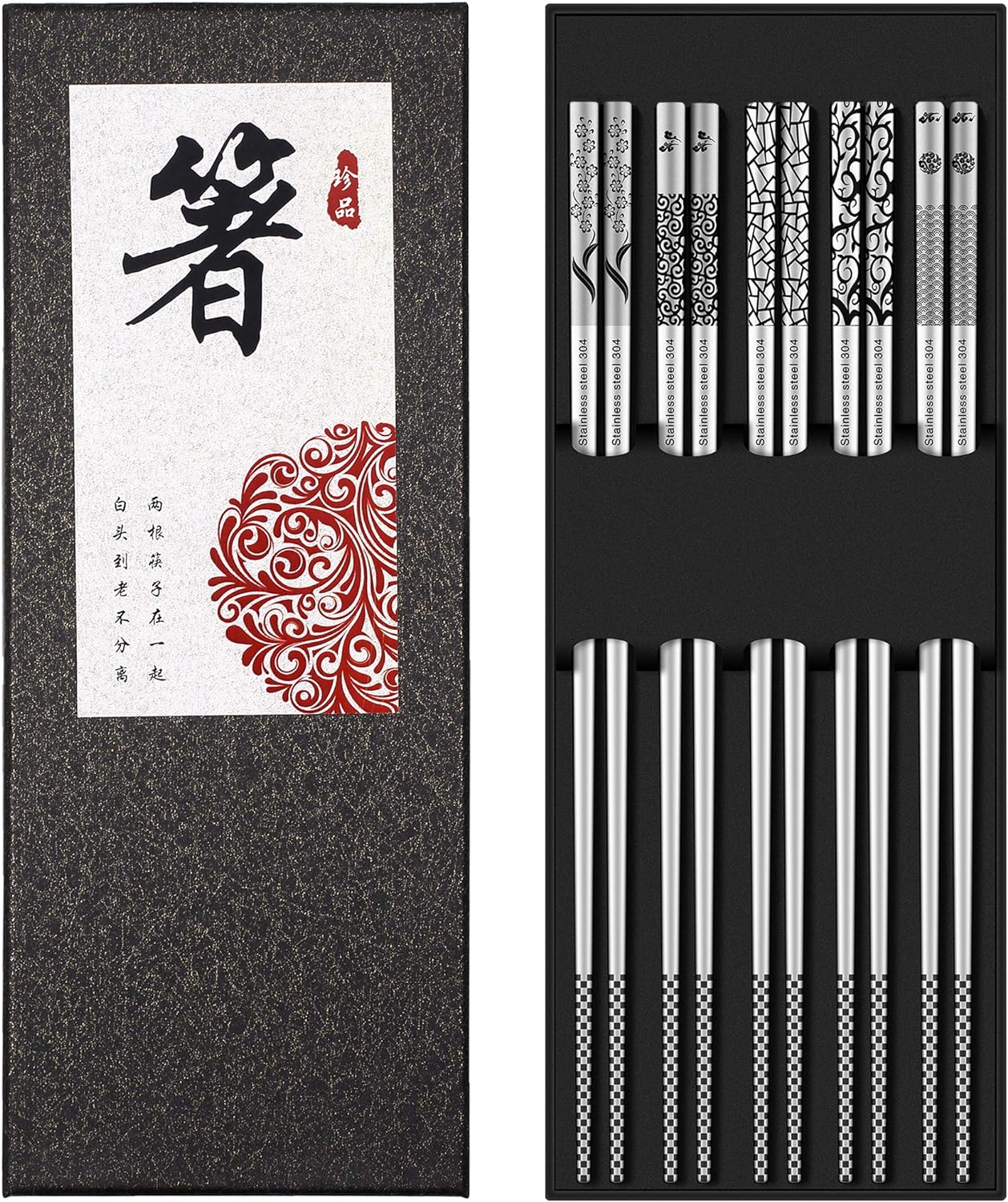 Best Seller
 Top Rated
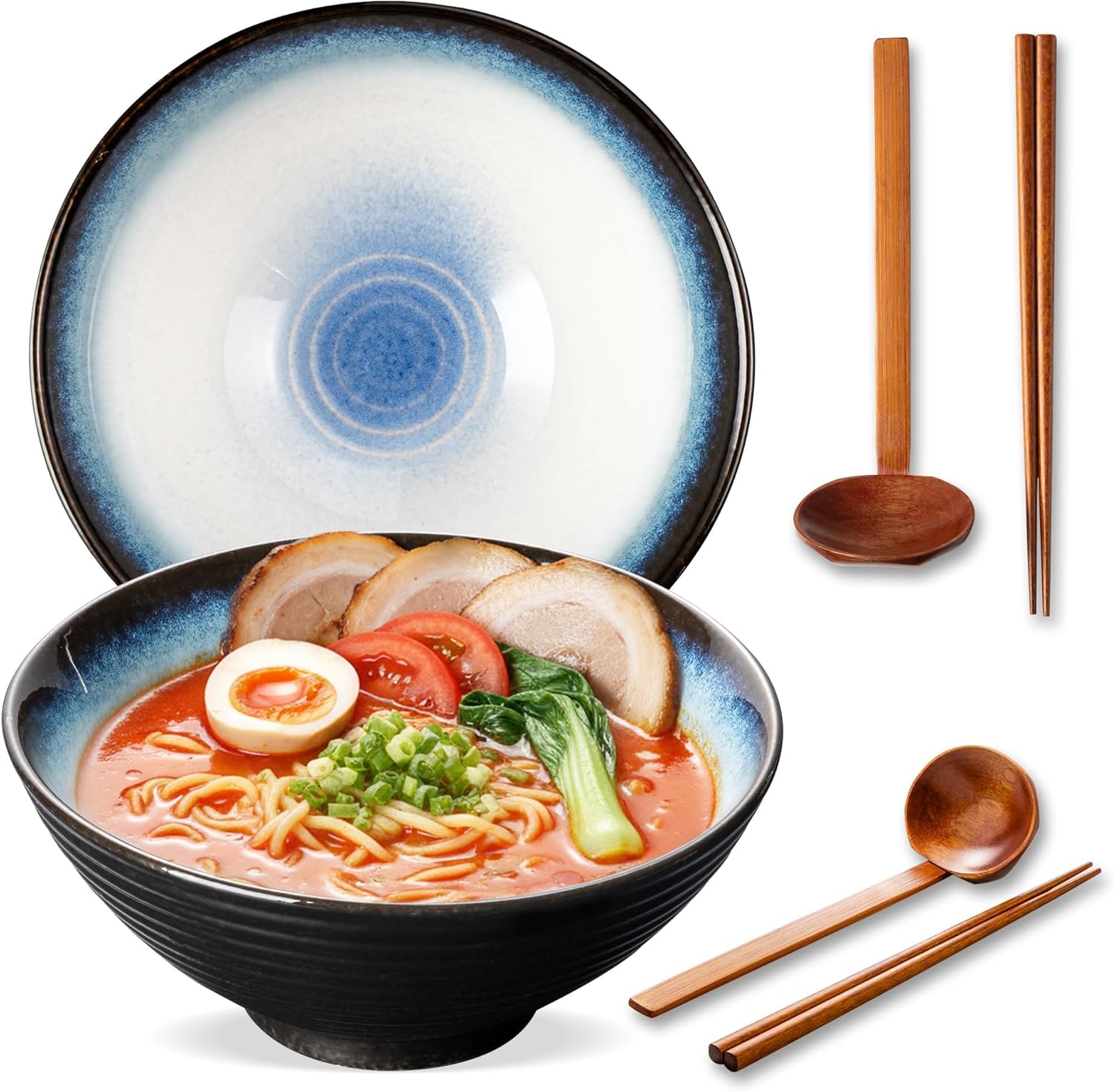 Staff Pick
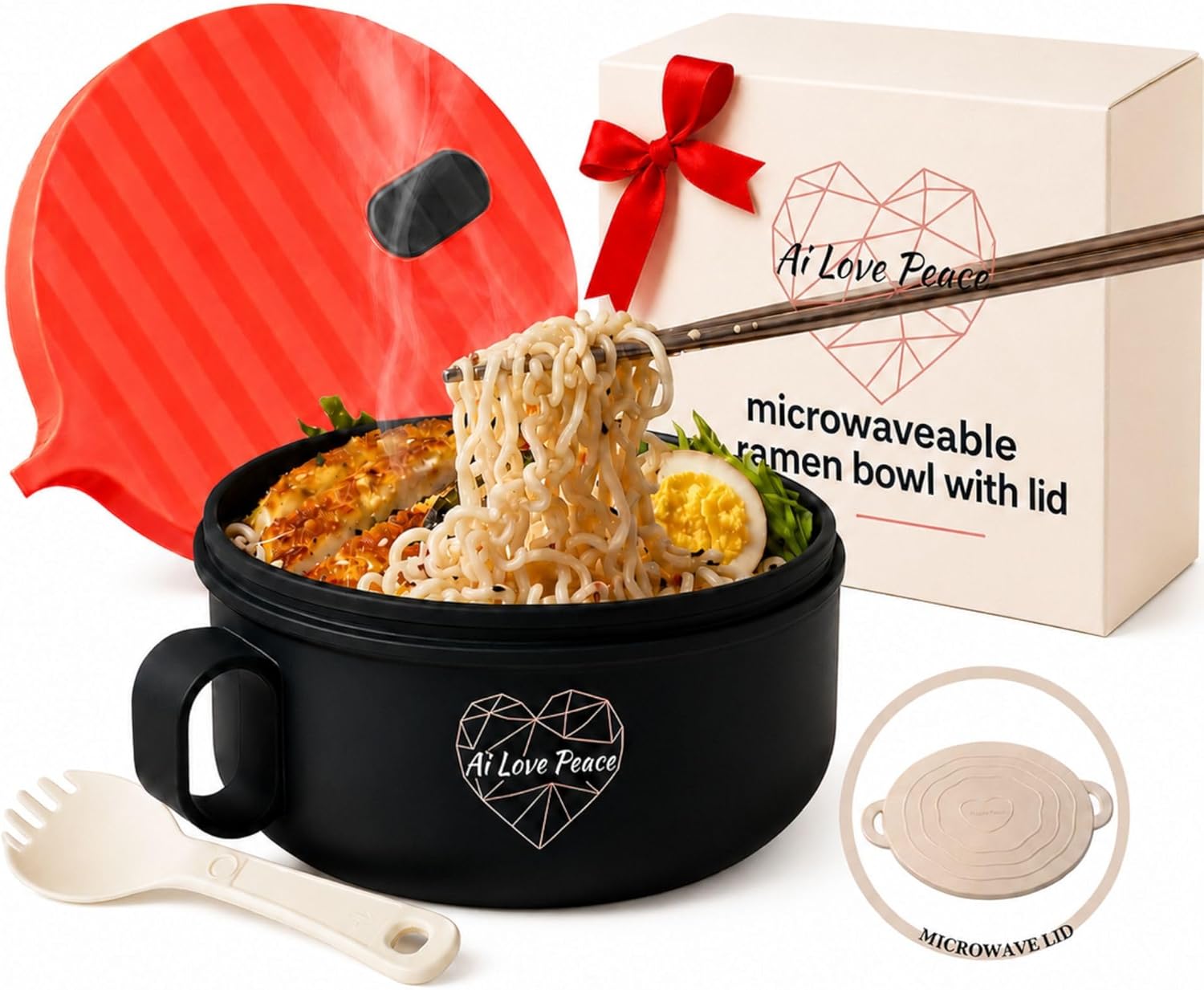 Best for Travel
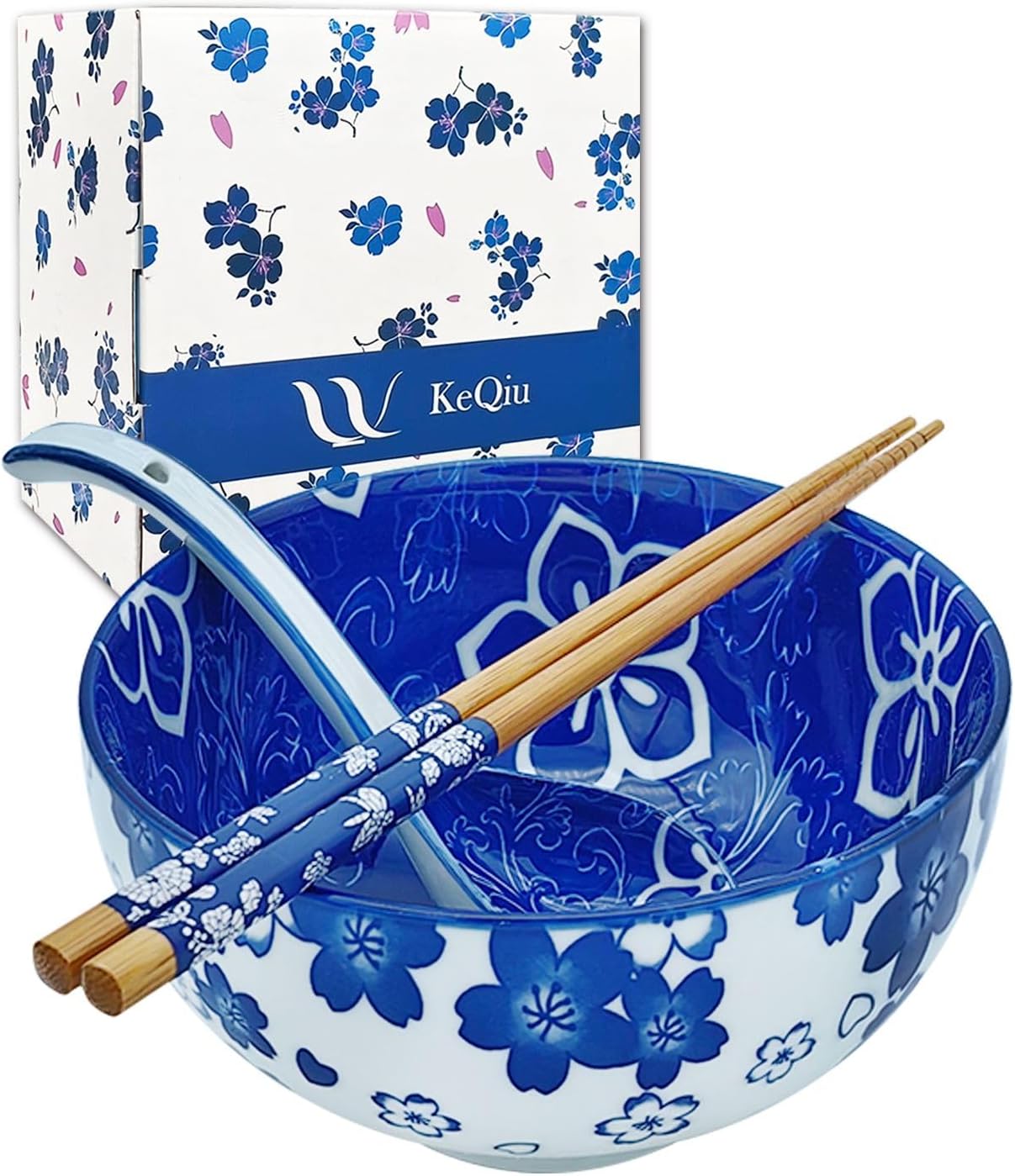 Gift Ready
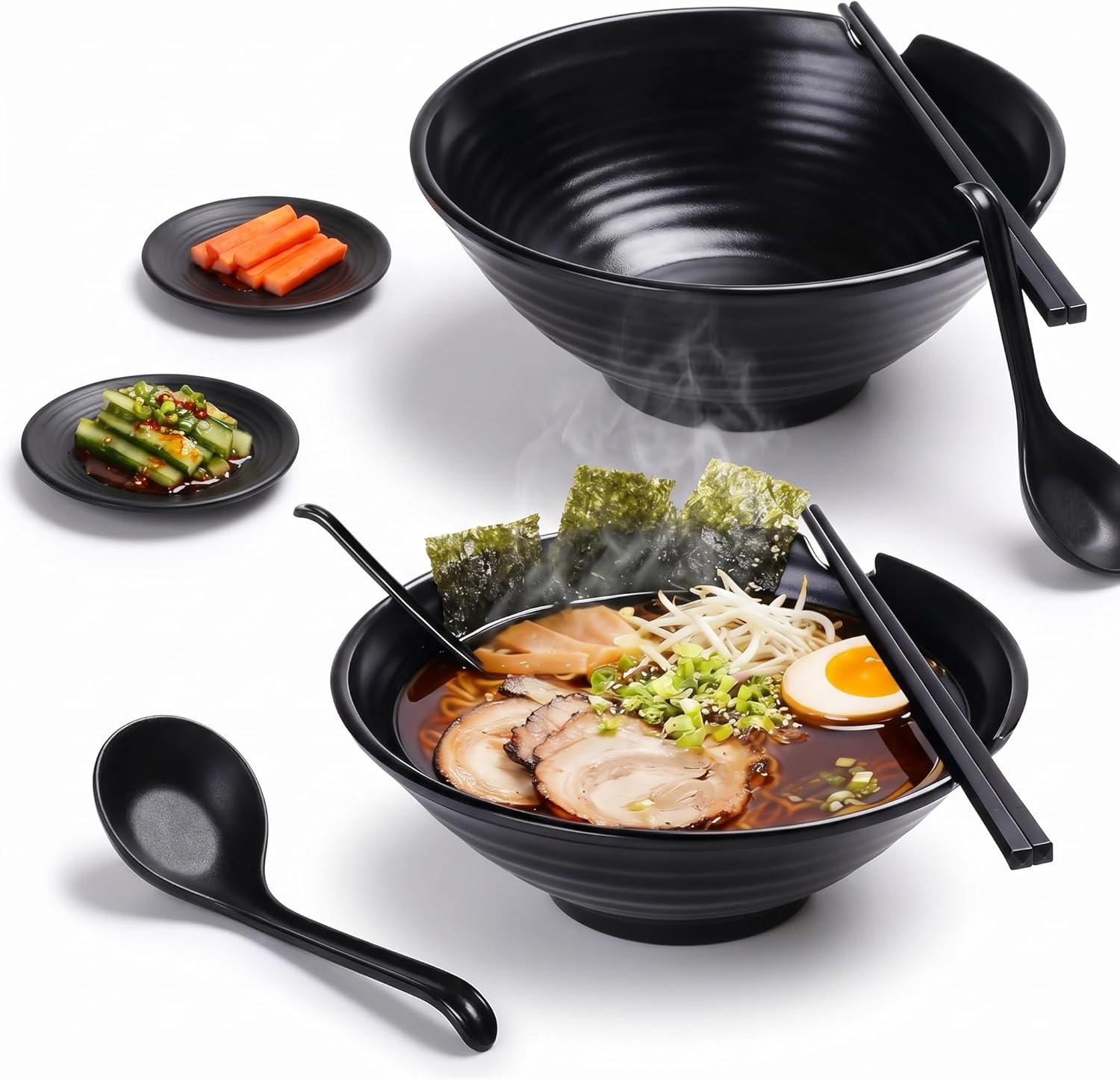 Shatter-Proof
* Affiliate links — we may earn a small commission at no extra cost to you.
 4
4Yanagi Sushi & Ramen is a ramen restaurant in Long Island City, NY.
 5
5Shio Sushi, in Sumner, is next up, rated 5.0 out of 5 from 49 reviews.
 6
6Sushi spot LLC, in St Clair Shores, is next up, rated 5.0 out of 5 from 38 reviews.
 7
7Tani Sushi and Japanese Cuisine, in Phoenix, is next up, rated 5.0 out of 5 from 34 reviews.
 8
8Megumi Hibachi & Sushi, in Skiatook, is next up, rated 5.0 out of 5 from 34 reviews.
 9
9MooDeng Cafe Sushi Bar, in Chicago, is next up, rated 5.0 out of 5 from 30 reviews.
 10
10Hero Sushi & Grocery, in Middlebury, is next up, rated 5.0 out of 5 from 27 reviews.
 11
11Volcano sushi, in Vail, is next up, rated 5.0 out of 5 from 22 reviews.
 12
12Sushi Mikado, in Gladstone, is next up, rated 5.0 out of 5 from 16 reviews.
 13
13Kasabi Canton Japanese Hibachi Sushi and Ramen, in Canton, is next up, rated 5.0 out of 5 from 10 reviews.
 14
14kinlin ramen sushi Teriyaki, in Watertown, is next up, rated 5.0 out of 5 from 9 reviews.
 15
15Chunnas Sushi, in Eagle Point, is next up, rated 5.0 out of 5 from 5 reviews.
 16
16S.E.A Dinette by Sushi Maru, in Middlebury, is next up, rated 5.0 out of 5 from 5 reviews.
SHINJUKU STATION REVOLVING SUSHI BAR, in Winston-Salem, is next up, rated 5.0 out of 5 from 4 reviews.
 18
18Tabe Sushi & Oishi Ramen, in Madison Heights, is next up, rated 5.0 out of 5 from 2 reviews.
SNOWFOX Sushi, in Denver, is next up, rated 5.0 out of 5 from 2 reviews.
Azami Ramen & Sushi, in Cary, is next up, rated 5.0 out of 5 from 1 reviews.
 21
21ZENSHI Handcrafted Sushi, in Gig Harbor, is next up, rated 5.0 out of 5 from 1 reviews.
 22
22 23
23Zuka Sushi-Hibachi & Chinese (Bolingbrook), in Bolingbrook, is next up, rated 4.9 out of 5 from 1,306 reviews.
 24
24Kobe Revolving Sushi, in Bloomington, is next up, rated 4.9 out of 5 from 1,235 reviews.
 25
25With 4.9 stars. Haru Sushi Izakaya is a top-rated japanese restaurant in Fort Wayne. offering vegan-friendly options, a full bar.
 26
26Gen Sushi, in Battle Ground, is next up, rated 4.9 out of 5 from 836 reviews.
 27
27Plant-based Japanese entrees, appetizers & sushi offered in a relaxed counter-service locale.
 28
28Ubin Sushi, in Colorado Springs, is next up, rated 4.9 out of 5 from 675 reviews.
 29
29Blowfish Sushi & Ramen Northfield, in Northfield, is next up, rated 4.9 out of 5 from 662 reviews.
 30
30Yuubi Sushi, in Beaverton, is next up, rated 4.9 out of 5 from 617 reviews.
 31
31Toro Sushi, in Tualatin, is next up, rated 4.9 out of 5 from 566 reviews.
 32
32Kim’s Korean Cuisine & Sushi, in Chicago, is next up, rated 4.9 out of 5 from 475 reviews.
 33
33Sushi Neko, in Rochester Hills, is next up, rated 4.9 out of 5 from 406 reviews.
 34
34MIYAZAKI Sushi, in Clinton Township, is next up, rated 4.9 out of 5 from 359 reviews.
 35
35Goblin Sushi Macomb, in Macomb, is next up, rated 4.9 out of 5 from 354 reviews.
 36
36NOM NOM SUSHI, in Smyrna, is next up, rated 4.9 out of 5 from 329 reviews.
 37
37Cherry Blossom Sushi, in Carolina Beach, is next up, rated 4.9 out of 5 from 324 reviews.
 38
38AJI SUSHI & RAMEN, in Pueblo, is next up, rated 4.9 out of 5 from 280 reviews.
 39
39Shipp sushi casual, in High Point, is next up, rated 4.9 out of 5 from 266 reviews.
 40
40Sayuri Sushi Bar, in Chicago, is next up, rated 4.9 out of 5 from 259 reviews.
 41
41Sushi Palace, in Saginaw, is next up, rated 4.9 out of 5 from 200 reviews.
 42
42Mt Fuji Sushi & Asian Cuisine, in Bixby, is next up, rated 4.9 out of 5 from 175 reviews.
 43
43Sumo Sushi, in Delta, is next up, rated 4.9 out of 5 from 164 reviews.
 44
44 45
45Babadi Sushi, in Kahuku, is next up, rated 4.9 out of 5 from 151 reviews.
 46
46Yohei Sushi KAHALA, in Honolulu, is next up, rated 4.9 out of 5 from 129 reviews.
 47
47Sushi King, in Rochester Hills, is next up, rated 4.9 out of 5 from 128 reviews.
 48
48Golden Roll Sushi, in Kennewick, is next up, rated 4.9 out of 5 from 120 reviews.
 49
49Samurai Sushi & Grill, in Clarksville, is next up, rated 4.9 out of 5 from 107 reviews.
 50
50Sushi Ross, in Shelby Township, is next up, rated 4.9 out of 5 from 100 reviews.
 51
51Infinithai & Sushi, in Antioch, is next up, rated 4.9 out of 5 from 96 reviews.
 52
52Umami Sushi Pdx Food Cart, in Portland, is next up, rated 4.9 out of 5 from 96 reviews.
 53
53ChooJai SuShi Thai & Ramen, in Colorado Springs, is next up, rated 4.9 out of 5 from 94 reviews.
 54
54Toki Ramen & Sushi, in Denver, is next up, rated 4.9 out of 5 from 94 reviews.
 55
55Maru Korean & Sushi, in Grants Pass, is next up, rated 4.9 out of 5 from 76 reviews.
 56
56One of Sacramento's highest-rated ramen spots, Karai Sushi Spicy Noodle Teriyaki earns its 4.9-star reputation across 57 reviews.
 57
57Oya Sushi & Asian Bistro, in Kalamazoo, is next up, rated 4.9 out of 5 from 46 reviews.
 58
58YUM YUM SUSHI, in Smyrna, is next up, rated 4.9 out of 5 from 46 reviews.
 59
59Temaki Hibachi & Sushi, in Manchester, is next up, rated 4.9 out of 5 from 17 reviews.
 60
60Classic Japanese fare & a few Korean dishes share the menu at this stylish, contemporary spot.
 61
61Sushi Miroku, in Tinley Park, is next up, rated 4.8 out of 5 from 3,426 reviews.
 62
62A Japanese destination in Gainesville with a menu built around comfort and flavor. Guests enjoy vegan-friendly options and a curated sake and cocktail menu.
 63
63Sushi Man, in Champaign, is next up, rated 4.8 out of 5 from 1,585 reviews.
 64
64Creative Asian-fusion fare & sushi in modern, minimalist digs with a BYO policy.
 65
65Asian Cajun Crab Shack & Bar, in Westminster, is next up, rated 4.8 out of 5 from 1,282 reviews.
 66
66Roomy counter-serve venue with simple, relaxed decor offering Japanese seafood specialties & poke.
 67
67Oishiya Hibachi & Sushi, in Murfreesboro, is next up, rated 4.8 out of 5 from 936 reviews.
 68
68With 4.8 stars. Star Sushi is a top-rated sushi restaurant in Jeffersonville. offering vegan-friendly options, a full bar.
 69
69Zen Ramen & Sushi Burrito, in Greenville, is next up, rated 4.8 out of 5 from 725 reviews.
 70
70Laid-back destination specializing in sushi & Asian-fusion cuisine in functional surrounds.
 71
71Rock N Roll Sushi, in Spring Hill, is next up, rated 4.8 out of 5 from 700 reviews.
 72
72Island-inspired sushi & poke, offered in a colorful cafe setting with a wide variety of tea drinks.
 73
73Downtown Sushi Hibachi & Grill, in Watertown, is next up, rated 4.8 out of 5 from 622 reviews.
 74
74Tucked into Buford, Arita Ramen & Sushi is a highly acclaimed Japanese shop offering a satisfying lineup of noodle bowls. Highlights include a curated sake and cocktail menu.
 75
75Moderately priced Japanese destination in Roswell offering a wide selection of ramen styles. Features a curated sake and cocktail menu.
 76
76Ninja Sushi, in Littleton, is next up, rated 4.8 out of 5 from 502 reviews.
 77
77Tekkamaki Sushi, in Medford, is next up, rated 4.8 out of 5 from 484 reviews.
 78
78Ara Sushi & Grill, in Richland, is next up, rated 4.8 out of 5 from 459 reviews.
 79
79Sushi Mori, in Colorado Springs, is next up, rated 4.8 out of 5 from 453 reviews.
 80
80With 4.8 stars and 448 reviews, Happy Sushi SF is a popular ramen destination in Spanish Fort, Alabama. Highlights include delivery, a full bar.
 81
81With 4.8 stars, Sushi Love Las Vegas is a top-rated sushi restaurant in Las Vegas. offering a full bar, reservations accepted.
 82
82Fuji Spearfish Japanese restaurant, in Spearfish, is next up, rated 4.8 out of 5 from 414 reviews.
 83
83Tokyo Sushi Steak House, in Rapid City, is next up, rated 4.8 out of 5 from 396 reviews.
 84
84UMAMI SUSHI & HIBACHI all you can eat, in Oklahoma City, is next up, rated 4.8 out of 5 from 394 reviews.
 85
85Oishi Sushi and Ramen OK, in Tulsa, is next up, rated 4.8 out of 5 from 387 reviews.
 86
86With 4.8 stars, Koto Sushi&Ramen stands out as a highly acclaimed Japanese spot in Spring delivering consistently satisfying ramen. Come for a curated sake and cocktail menu, stay for delivery.
 87
87NANA SUSHI THAI (EVERGREEN,CO), in Evergreen, is next up, rated 4.8 out of 5 from 288 reviews.
 88
88Reeko’s Sushi Bar & Thai Cuisine, in Cleveland, is next up, rated 4.8 out of 5 from 281 reviews.
 89
89Sumo Sushi Thai And Bar, in Nashville, is next up, rated 4.8 out of 5 from 271 reviews.
 90
90AKAI Sushi, in Oklahoma City, is next up, rated 4.8 out of 5 from 257 reviews.
 91
91OhSushi, in Richland, is next up, rated 4.8 out of 5 from 252 reviews.
 92
92Miyazaki Sushi & Izakaya, in Kailua-Kona, is next up, rated 4.8 out of 5 from 249 reviews.
 93
93A Japanese destination in Houston with a menu built around comfort and flavor. Guests enjoy a curated sake and cocktail menu and delivery.
 94
94Yabah Mongolian Grill & Sushi, in Mustang, is next up, rated 4.8 out of 5 from 217 reviews.
 95
95Fresh Sushi Bar, in Cornelius, is next up, rated 4.8 out of 5 from 214 reviews.
 96
96Shimoda Sushi & Ramen, in Havelock, is next up, rated 4.8 out of 5 from 203 reviews.
 97
97With 4.8 stars, Ari Sushi & Izakaya is a top-rated japanese restaurant in Las Vegas. offering vegan-friendly options, a full bar.
 98
98Hello sushi, in Nashville, is next up, rated 4.8 out of 5 from 196 reviews.
 99
99Kuma Sushi Bar, in New Bern, is next up, rated 4.8 out of 5 from 190 reviews.
 100
100Ryoshi 153 sushi & bento, in Longview, is next up, rated 4.8 out of 5 from 185 reviews.
 101
101With 4.8 stars and 183 reviews, Yido Ramen and Sushi Alexandria is a popular ramen destination in Alexandria, Virginia. Highlights include vegetarian options, delivery, a full bar.
 102
102Taiwan On Bubble Tea & Sushi Café, in Johnson City, is next up, rated 4.8 out of 5 from 171 reviews.
 103
103With 4.8 stars. Minazuki Sushi Bar is a top-rated sushi restaurant in Indianapolis. offering a full bar, reservations accepted.
 104
104Uncle Lee’s Asian Bistro & Sushi Bar, in Banner Elk, is next up, rated 4.8 out of 5 from 164 reviews.
 105
105SKAI Sushi, in Blaine, is next up, rated 4.8 out of 5 from 160 reviews.
 106
106With 4.8 stars. E Sushi is a top-rated japanese restaurant in Indianapolis. offering a full bar.
 107
107ZUMO SUSHI, in Kapaʻa, is next up, rated 4.8 out of 5 from 154 reviews.
 108
108Umami Ramen Sushi House, in Wilmington, is next up, rated 4.8 out of 5 from 145 reviews.
 109
109Ye Sushi, in Stayton, is next up, rated 4.8 out of 5 from 143 reviews.
 110
110Zua Sian Sushi To Go | Japanese, in Tulsa, is next up, rated 4.8 out of 5 from 136 reviews.
 111
111HENKA Hibachi & Sushi Express, in Okmulgee, is next up, rated 4.8 out of 5 from 124 reviews.
 112
112Tokyo Sushi & Hibachi, in Huron, is next up, rated 4.8 out of 5 from 120 reviews.
 113
113Kasabi hibachi & Sushi Grants Pass, in Grants Pass, is next up, rated 4.8 out of 5 from 111 reviews.
 114
114OK Ramen & Sushi Bar(Edmond), in Oklahoma City, is next up, rated 4.8 out of 5 from 91 reviews.
 115
115UMITO SUSHI AND RAMEN is a ramen restaurant serving the Los Angeles area.
 116
116Zakaya Sushi.Kitchen, in Kill Devil Hills, is next up, rated 4.8 out of 5 from 56 reviews.
 117
117Hanami sushi Japanese cuisine is a ramen restaurant in Merrick, NY.
 118
118With 4.8 stars. Taka Hibachi & Sushi Brazil IN is a top-rated restaurant in Brazil.
 119
119Tucked into Woodstock, Osaka Sushi and Ramen is a celebrated ramen shop offering a satisfying lineup of noodle bowls. A must-try for anyone exploring the local ramen scene.
 120
120One of Sacramento's highest-rated ramen spots, Sushi Kawa Japanese Cuisine earns its 4.8-star reputation across 39 reviews. Offering a curated drinks menu, it's a versatile spot for ramen lovers in Sacramento.
 121
121Zaiwa Sushi, in Charlotte, is next up, rated 4.8 out of 5 from 17 reviews.
 122
122Bustling operation serving up innovative Japanese fare & drinks amid modern decor.
 123
123Sushi UNI, in Lenexa, is next up, rated 4.7 out of 5 from 2,708 reviews.
 124
124Zen Ramen and Sushi Burrito in Clemson, in Clemson, is next up, rated 4.7 out of 5 from 1,795 reviews.
 125
125Sushi (including brown-rice options), generous noodle bowls & Japanese entrees in a modern setting.
 126
126With 4.7 stars, Chinitas Tapas & Sushi is a top-rated asian fusion restaurant in Henderson. offering vegan-friendly options, outdoor seating.
 127
127Established eatery with a sushi bar offering common Japanese dishes in a cozy, laid-back atmosphere.
 128
128Relaxed strip-mall outpost offering Japanese fare from sushi rolls to sashimi & tempura plates.
 129
129Sleek restaurant offering sushi & sake alongside kitchen entrees such as noodle & teriyaki dishes.
 130
130Casual nook with inventive sushi rolls & classic Japanese entrees, plus lunch specials & bubble tea.
 131
131Tokyo Monster Sushi Birch Bay, in Blaine, is next up, rated 4.7 out of 5 from 1,076 reviews.
 132
132Romantic, cozy waterfront restaurant with wine, sake & Japanese-fusion small plates.
 133
133Snug Japanese spot with sushi, hibachi & noodle plates, plus happy-hour specials in minimalist digs.
 134
134Contemporary kitchen offering classic & unique sushi options & Japanese entrees, plus tasting menus.
 135
135With 4.7 stars, Hiroba Sushi is a top-rated sushi restaurant in Henderson. offering vegan-friendly options, a full bar.
 136
136Suram Sushi & Ramen is a ramen restaurant in New York, NY.
 137
137Naree Kitchen Thai & Sushi, in Kansas City, is next up, rated 4.7 out of 5 from 843 reviews.
 138
138Sashimi, clever maki & Japanese kitchen entrees served in contemporary digs with sushi bar seating.
 139
139With 4.7 stars. E Sushi Japanese Restaurant is a top-rated japanese restaurant in Columbus. offering vegan-friendly options, a full bar.
140OMO Japanese Ramen Sushi, in Kansas City, is next up, rated 4.7 out of 5 from 703 reviews.
 141
141Raw fare, rolls, bento & other Japanese dishes prepped in a modest environment also serving sake.
 142
142With 4.7 stars, Yama Sushi & Korean BBQ Cheyenne is a top-rated japanese restaurant in North Las Vegas. offering a full bar.
 143
143Humble restaurant offering traditional sushi & dumplings, plus familiar noodle dishes.
 144
144Zen Ramen & Sushi Burrito, in Spartanburg, is next up, rated 4.7 out of 5 from 584 reviews.
 145
145Sushi Sheng 鮨昇, in San Francisco, is next up, rated 4.7 out of 5 from 515 reviews.
 146
146With 4.7 stars. Domo Japanese Hibachi grill, Sushi and Ramen is a top-rated ramen restaurant in Evansville. offering vegan-friendly options, a full bar.
:max_bytes(150000):strip_icc()/21187-ramen-noodle-soup-DDMFS-202-4x3-beauty--56b4542883b644b2a574a196e3322e0c.jpg) 147
147Kataki Sushi & Ramen, in Minneapolis, is next up, rated 4.7 out of 5 from 474 reviews.
 148
148One of Sacramento's highest-rated ramen spots, Pier 50 Sushi - Arden earns its 4.7-star reputation across 471 reviews. Offering a curated drinks menu, vegan-friendly options, delivery, it's a versatile spot for ramen lovers in Sacramento.
 149
149With 4.7 stars. YUMMY BOWL Mongolian Stir-fry and sushi is a top-rated mongolian barbecue restaurant in Fort Wayne. offering vegan-friendly options, a full bar.
 150
150Saint Sushi and sake, in Leavenworth, is next up, rated 4.7 out of 5 from 428 reviews.
 151
151Hooked Sushi, in Bozeman, is next up, rated 4.7 out of 5 from 426 reviews.
 152
152With 4.7 stars. Vel Asian Cuisine (all you can eat sushi) is a top-rated ramen restaurant in Indianapolis. offering reservations accepted.
 153
153With 4.7 stars. Isuka Hibachi Express and Sushi is a top-rated japanese restaurant in Indianapolis. offering a full bar, reservations accepted.
 154
154Kai's Sushi & Grill Minnetonka, in Minnetonka, is next up, rated 4.7 out of 5 from 391 reviews.
 155
155With 4.7 stars and 375 reviews, wasabi japanese sushi and bar is a popular ramen destination in Alabaster, Alabama. Highlights include vegetarian options, delivery, a full bar, mid-range pricing.
 156
156With 4.7 stars. Sushi Bar is a top-rated japanese restaurant in Madison. offering a full bar.
 157
157Unfussy destination showcasing an extensive menu of sushi & other Japanese dishes, plus happy hour.
158Fuji Sushi, in Eagan, is next up, rated 4.7 out of 5 from 355 reviews.
 159
159Mirai ramen & sushi, in Topeka, is next up, rated 4.7 out of 5 from 352 reviews.
 160
160Sakura Sushi, in Sioux Falls, is next up, rated 4.7 out of 5 from 319 reviews.
 161
161Unassuming counter-service place in a strip mall offering sushi, Japanese curry, tempura & more.
 162
162O Ramen & Dim Sum M Yuki Sushi is a ramen restaurant in New York, NY.
 163
163Takoyaki Sushi Ramen Bar, in Florence, is next up, rated 4.7 out of 5 from 279 reviews.
 164
164Sola Ramen and Sushi, in Elgin, is next up, rated 4.7 out of 5 from 247 reviews.
 165
165Japanese dishes taken from the belt or ordered from the open kitchen at a colourful chain eatery.
 166
166Laid-back operation serving Japanese bites, including sushi rolls, nigiri & sashimi.
 167
167Ippin Ramen & Sushi Bar, in Brooklyn Park, is next up, rated 4.7 out of 5 from 215 reviews.
 168
168With 4.7 stars and 172 reviews, Megumi Sushi Ramen Grill is a popular ramen destination in Hamilton, Ohio. Highlights include vegan-friendly options, vegetarian options, delivery, a full bar.
 169
169Ginza•hibachi •sushi•ramen, in Myrtle Beach, is next up, rated 4.7 out of 5 from 144 reviews.
 170
170Sushi Palace, in Missoula, is next up, rated 4.7 out of 5 from 134 reviews.
 171
171With 4.7 stars, Dojo Sushi is a top-rated sushi restaurant in Las Vegas. offering a full bar, reservations accepted.
 172
172Samurai Hibachi & Sushi Express, in Harrisburg, is next up, rated 4.7 out of 5 from 96 reviews.
 173
173Nigiri, creative rolls, sashimi & noodle dishes served in a low-key spot with sake, beer & wine.
 174
174Modest Japanese ramen joint offers heaping bowls of noodles & cooked sides in casual digs.
 175
175Modern, casual restaurant & bar serving up a menu of Vietnamese & Japanese food.
 176
176Afuri ramen, sushi and more is a ramen restaurant in Brooklyn, NY.
 177
177Cafe with extensive classics menu of exotic items, bento boxes & veggie sushi, plus onsite market.
178Sushi House, in Leawood, is next up, rated 4.6 out of 5 from 924 reviews.
 179
179Rustic, family-owned eatery offering poké, traditional & modern sushi & other Japanese dishes.
 180
180Cocktails, steamed buns, customizable ramen & an extensive sushi menu in a warm, brick-lined space.
 181
181Relaxed Japanese eatery serving cooked fare & creative sushi rolls, plus beer, wine & sake.
 182
182Kami Ramen & Sushi is a well-loved Japanese restaurant in Humble with a menu of classic and creative ramen bowls. Known for vegan-friendly options.
183Sushi Haru, in Leawood, is next up, rated 4.6 out of 5 from 658 reviews.
 184
184Sawa Sushi & Hibachi, in Prairie Village, is next up, rated 4.6 out of 5 from 606 reviews.
 185
185Kaiba Japanese Ramen, Sushi & Grill - Pasadena is a ramen restaurant serving the Pasadena area.
 186
186Moderately priced Asian destination in Mableton offering a wide selection of ramen styles. Features reservations.
 187
187With 4.6 stars, You Food Sushi&Hibachi stands out as a fan-favorite Japanese spot in Mableton delivering consistently satisfying ramen. Come for reservations, stay for delivery.
 188
188With 4.6 stars, Kumo Sushi & Ramen stands out as a popular Japanese spot in Cumming delivering consistently satisfying ramen. Come for a curated sake and cocktail menu, stay for reservations.
 189
189With 4.6 stars and 473 reviews, Kaliubon Ramen & Sushi (West Hartford) is a popular ramen destination in West Hartford, Connecticut. Highlights include vegan-friendly options, vegetarian options, delivery, outdoor seating, a full bar, mid-range pricing.
190Ippin Ramen Sushi-Waite Park, in Brooklyn Park, is next up, rated 4.6 out of 5 from 463 reviews.
 191
191A menu specializing in Japanese ramen & comfort food, alongside sushi & poke bowls in a chill space.
 192
192Chirori - Omakase & Sushi is a fan-favorite Japanese restaurant in Atlanta with a menu of classic and creative ramen bowls. Known for a curated sake and cocktail menu.
 193
193With 4.6 stars, TOKYO RAMEN & SUSHI Japanese Restaurant stands out as a fan-favorite Japanese spot in Houston delivering consistently satisfying ramen. Come for vegan-friendly options, stay for a curated sake and cocktail menu.
 194
194Taka (Sushi ,Grill and Chinese Cuisine), in Kailua-Kona, is next up, rated 4.6 out of 5 from 316 reviews.
 195
195Akeno Sushi Bar and Thai at Capitol Hill is a ramen restaurant in Washington, DC.
 196
196Japanese specialties, including sushi rolls & ramen soup, served in an intimate setting.
 197
197Moderately priced ramen destination in Roswell offering a wide selection of ramen styles. Features vegan-friendly options.
 198
198Burosu ramen & Sushi 最好的拉面和寿司 is a ramen restaurant serving the Studio City area.
 199
199M Sushi, in Wailuku, is next up, rated 4.6 out of 5 from 215 reviews.
 200
200Wabisabi Soba & Sushi, in Paia, is next up, rated 4.6 out of 5 from 160 reviews.
 201
201Yama Sushi & Grill, in Kailua-Kona, is next up, rated 4.6 out of 5 from 140 reviews.
 202
202Osaka Japan Ramen Sushi & Hibachi, in Weirton, is next up, rated 4.6 out of 5 from 139 reviews.
 203
203Tucked into Pearland, Tamashi Ramen Sushi Pearland-Broadway St. is a popular Japanese shop offering a satisfying lineup of noodle bowls. Highlights include a curated sake and cocktail menu.
 204
204eShin Ramen & Sushi is a ramen restaurant in Poughkeepsie, NY.
 205
205Moshi Moshi Sushi And Ramen is a ramen restaurant in Long Beach, NY.
 206
206Alim Hibachi Grill and Sushi Japanese Express, in Leavenworth, is next up, rated 4.6 out of 5 from 95 reviews.
 207
207 208
208Simple eatery with a range of Japanese dishes from sashimi and noodle soups to teriyaki.
209UMI Japanese Steakhouse and Sushi Bar, in Manhattan, is next up, rated 4.5 out of 5 from 2,861 reviews.
 210
210With 4.5 stars and 1,707 reviews, Mikoto Ramen Bar and Sushi is a popular ramen destination in Tyler, Texas. Highlights include vegan-friendly options, vegetarian options, delivery, outdoor seating, a full bar, mid-range pricing.
 211
211Traditional Japanese noodle soups & rolls are prepared in a petite, unassuming locale.
 212
212Sushi spot with familiar & specialty Japanese menu options, including chef's tasting menus.
 213
213Tokyo House Sushi & Ramen, in Fayetteville, is next up, rated 4.5 out of 5 from 774 reviews.
 214
214One Sushi Korean Japanese Café is a well-loved Japanese restaurant in Sandy Springs with a menu of classic and creative ramen bowls. Known for vegan-friendly options.
 215
215A menu specializing in an array of sushi & sake with Japanese interior details & bar seating.
 216
216Chef 21 Sushi Burger and Korean BBQ, in Greenville, is next up, rated 4.5 out of 5 from 567 reviews.
 217
217Relaxed restaurant serving Japanese & Thai cuisine, plus sushi specialties, sake & boba tea.
 218
218Ichi Sushi & Ramen is a ramen restaurant in Setauket- East Setauket, NY.
 219
219With 4.5 stars and 515 reviews, Sakana Sushi Bar & Grill is a popular ramen destination in Hoover, Alabama. Highlights include delivery, a full bar.
 220
220Storied neighborhood nook offering sushi & sashimi along with other Japanese dishes & sake.
 221
221 222
222Tokyo | Sushi & Steakhouse, in Aberdeen, is next up, rated 4.5 out of 5 from 339 reviews.
 223
223Purple International Bistro & Sushi, in Greenville, is next up, rated 4.5 out of 5 from 206 reviews.
 224
224Sushi, udon & bento boxes & many Pan-Asian dishes dispensed with speed in a compact luncheonette.
225Ichiddo Ramen & Sushi, in Minneapolis, is next up, rated 4.5 out of 5 from 174 reviews.
 226
226A mix of Asian classics, including sushi, share the sizable menu at this unpretentious eatery.
 227
227Sakura Ramen & Sushi bar, in Bluffton, is next up, rated 4.5 out of 5 from 94 reviews.
 228
228ZENSHI Handcrafted Sushi, in Lewistown, is next up, rated 4.5 out of 5 from 2 reviews.
 229
229Signature sushi rolls, ramen & other Japanese staples round out the menu at this casual restaurant.
 230
230High-end sushi spot with chef's choice dinners, bento-box lunch specials, sake & sho-chu.
 231
231Custom noodle bowls plus classic & inventive Pan-Asian dishes served in a relaxed, modern space.
 232
232Hokkaido | Ramen & Sushi Bar • Helena, in Helena, is next up, rated 4.4 out of 5 from 996 reviews.
 233
233Hokkaido Ramen House&sushi Bar, in Kalispell, is next up, rated 4.4 out of 5 from 931 reviews.
 234
234Creative sushi rolls join Japanese staples on this casual, strip-mall restaurant's menu.
 235
235With 4.4 stars and 440 reviews, Happy Sushi Yester Oaks location is a popular ramen destination in Mobile, Alabama. Highlights include vegetarian options, a full bar, mid-range pricing.
 236
236Cha House x H&J Sushi, in North Myrtle Beach, is next up, rated 4.4 out of 5 from 332 reviews.
 237
237Sushi Yoshi, in Stowe, is next up, rated 4.3 out of 5 from 1,256 reviews.
238Tokyo Sushi, in Brooklyn Park, is next up, rated 4.3 out of 5 from 1,133 reviews.
 239
239Creative sushi & Asian-inspired grilled dishes (plus beer & sake) in an orange & purple dining room.
 240
240SUSHI 101 / Ramen Haus, in Fayetteville, is next up, rated 4.3 out of 5 from 495 reviews.
 241
241Hokkaido Ramen & Sushi Bar, in Billings, is next up, rated 4.3 out of 5 from 424 reviews.
 242
242Katana ramen sushi hibachi Conway, in Conway, is next up, rated 4.3 out of 5 from 50 reviews.
 243
243With 4.3 stars and 49 reviews, Otsuka Sushi hibachi Dinner AYCE is a popular ramen destination in Birmingham, Alabama. Highlights include vegetarian options.
244Kyoto Sushi, in Eagan, is next up, rated 4.2 out of 5 from 2,288 reviews.
 245
245Familiar sushi & ramen dishes are served up in a casual environment at this Japanese restaurant.
 246
246Great Falls Hokkaido Ramen & Sushi Bar, in Great Falls, is next up, rated 4.1 out of 5 from 643 reviews.
 247
247Hachi Sushi Pub, in Bozeman, is next up, rated 4.1 out of 5 from 221 reviews.
 248
248Asian tchotchkes line the walls of this relaxed Japanese eatery featuring sushi & sashimi.
 249
249Shin-La Restaurant & Sushi Bar, in Brattleboro, is next up, rated 4.0 out of 5 from 186 reviews.
 250
250ZENSHI Handcrafted Sushi, in Colchester, is next up.
A curated PDF you can keep on your phone — everything worth eating, hand-picked and written up by us. Delivered to your inbox after checkout.
Secure checkout via Stripe. We'll email your guide once payment clears.
Fish ramen is one of my favorite under-the-radar styles — a bowl where seafood does the heavy lifting, whether that is a deeply savory dried-fish broth or beautifully fresh seafood piled on top of a clean, steaming soup. There is a briny, oceanic complexity to a great gyokai broth that I find completely addictive, and it is a style that rewards those who seek it out. The map above is filtered to seafood-forward ramen spots near you. Enter your ZIP or tap "Use my location" and the closest options sort to the top.
What I love about fish-based ramen is the sheer range of flavors it can deliver. At one end you have the bold, assertive intensity of a niboshi broth — dark with dried sardines, briny and umami-loaded in a way that is unlike any other ramen style. At the other end you have a delicate shrimp or clam broth that is light and almost sweet, serving as a clean canvas for beautiful seafood toppings. Both ends of that spectrum fascinate me, and I find myself thinking about the best fish bowls I have had long after I have finished them.
Fish-based ramen goes by a few names and shows up in several forms, so it helps to know the vocabulary before you start searching. Gyokai, niboshi, seafood tonkotsu, and fresh-seafood-topped bowls are all different experiences worth understanding on their own terms. Here is how I navigate the category and what to expect when I finally sit down with a great seafood bowl.
The hunt for exceptional fish ramen has taken me to Japanese restaurants, izakaya, and coastal-focused noodle shops, and I have rarely been disappointed when I find a kitchen that takes its seafood broth seriously. The patience required to locate these spots makes the discovery all the more rewarding.
Fish ramen leans on seafood for its flavor instead of the more common pork or chicken bases. The classic version uses a gyokai (seafood) broth — often built on niboshi (dried sardines), katsuobushi (dried bonito flakes), kombu (dried kelp), or other dried fish and seafood — for a deep, savory, umami-rich stock that is distinctly oceanic without tasting fishy in an unpleasant way. Other bowls keep a lighter base broth but top it with fresh fish or shellfish like shrimp, crab, scallop, or clams as the centerpiece. Many shops also blend seafood with a pork or chicken base, a popular hybrid style called gyokai tonkotsu that combines the ocean depth of gyokai with the creamy richness of tonkotsu.
A savory stock built on dried fish like niboshi (dried sardines), katsuobushi (bonito), and kombu (kelp). The result is deeply umami, oceanic, and complex — lighter-bodied than tonkotsu but intensely flavorful in its own right.
Shrimp, crab, scallop, clams, or fresh fish over the noodles, often with a lighter base broth that serves as a clean backdrop for the seafood. The toppings are the star in this style.
A blended broth that combines the oceanic depth of seafood stock with the creamy richness of slow-simmered pork bones. One of the more popular hybrid styles and a great entry point for people new to fish ramen.
Niboshi ramen deserves its own discussion because it is such a distinct and polarizing experience — polarizing in the sense that those who love it become deeply loyal to it. Niboshi are small dried sardines used extensively in Japanese cooking, and when they form the backbone of a ramen broth, the result is bold, briny, and intensely savory in a way that no other ingredient can replicate. The flavor is assertive and sometimes almost bitter, with a deeply marine character that coats the palate. It is not the gentlest introduction to seafood ramen, but if you are curious about pushing your ramen boundaries, niboshi is one of the most rewarding places to go. The best versions balance the fish intensity with a well-chosen tare and subtle aromatics that prevent the broth from becoming overwhelming.
Niboshi broth has an assertive, deeply savory, slightly bitter marine quality that is unlike any other ramen style. It is an acquired taste for some, but enthusiasts consider it one of the highest expressions of Japanese ramen craft.
The best niboshi ramen uses a carefully chosen tare and aromatics to balance the fish intensity. Too much and the bowl becomes one-dimensional; the right balance produces extraordinary complexity.
Niboshi broth changes noticeably as it cools. The delicate balance of flavors is at its peak when the bowl is steaming hot, so eating quickly is actually the right move here.
Because fish ramen is a niche within the broader ramen world, I do a little homework before going to a new shop. I look for words like gyokai, niboshi, seafood, katsuobushi, or specific fish and shellfish on the menu — and recent reviews that praise the broth's depth and complexity rather than just the toppings. Japanese restaurants, izakaya, and shops that also serve sushi are the most likely to run a true seafood ramen, because they already have access to quality seafood and an appreciation for its flavors. The map filter above already surfaces seafood-forward spots, but reading menus and reviews before visiting helps confirm what kind of fish experience you are in for.
I always start with the house seafood or gyokai bowl to taste what the kitchen is most proud of. If they offer a niboshi ramen specifically, that is the purest expression of the style — bold, briny, and unmistakably maritime in the best possible way. For a more accessible entry point, a gyokai tonkotsu gives you the seafood depth blended with creamy pork richness, which can be a gentler introduction. Fresh shellfish toppings like clams or scallops are always worth ordering if the shop offers them. And no matter what you choose, eat it hot and reasonably quickly — delicate seafood broths fade noticeably once they cool.
Fish ramen is a bowl that gets its primary flavor from seafood — usually a gyokai (seafood) broth built on dried fish like niboshi (sardines), bonito, and kombu, or a bowl topped with fresh fish and shellfish over a lighter base broth.
Use the map above — enter your ZIP or tap "Use my location." It is filtered to seafood-forward ramen spots near you, sorted by rating and distance. Check menus and reviews for gyokai or niboshi language to confirm a true seafood bowl before visiting.
Gyokai means "seafood" in Japanese. Gyokai ramen is built on a broth made from dried fish and seaweed — like niboshi, katsuobushi (bonito), and kombu — for a deep, savory, umami-rich flavor that is distinctly oceanic but not unpleasantly fishy.
Niboshi ramen uses a broth made from dried baby sardines (niboshi), giving it a bold, briny, intensely savory flavor. It is one of the purest and most assertive expressions of seafood-based ramen, with a deep marine character that enthusiasts find deeply satisfying.
Gyokai tonkotsu is a hybrid broth that blends seafood stock (gyokai) with creamy pork-bone broth (tonkotsu). The result combines oceanic umami depth with the rich, creamy weight of tonkotsu, making it one of the more complex and beloved hybrid ramen styles.
Seafood broths tend to be lighter and lower in saturated fat than rich pork styles, though they can still be high in sodium. A clear gyokai or niboshi bowl is generally on the lighter end of the ramen spectrum.
Fresh toppings vary by shop but can include shrimp, crab, scallop, clams, fish cakes (narutomaki), or sliced fresh fish. Some shops focus on dried fish flavor in the broth with more traditional toppings like scallion and nori, while others make fresh seafood the visual and flavor centerpiece.
The primary difference is the broth base. Most ramen uses pork or chicken; fish ramen replaces or supplements these with seafood, creating a distinctly oceanic, umami-rich flavor profile. The experience ranges from delicately briny to boldly assertive depending on the style and ingredients used.
From the community