
 1
1Simply Noodles & Dim Sum Bryant Park
Simply Noodles & Dim Sum Bryant Park is a ramen restaurant in New York, NY.
Every ramen restaurant we track that matches this, ranked by rating and review volume. Search by name or city, or switch to the map.
16 ramen restaurants on this page
16 ramen restaurants
1Simply Noodles & Dim Sum Bryant Park is a ramen restaurant in New York, NY.
 2
2With 4.7 stars and 281 reviews, Sakura Ramen is a popular ramen destination in Las Vegas, Nevada. Highlights include vegan-friendly options, vegetarian options, delivery, a full bar, mid-range pricing.
 3
3Taste of Sichuan (Palace Sichuan), in Longview, is next up, rated 4.6 out of 5 from 374 reviews.
Ramen Gear
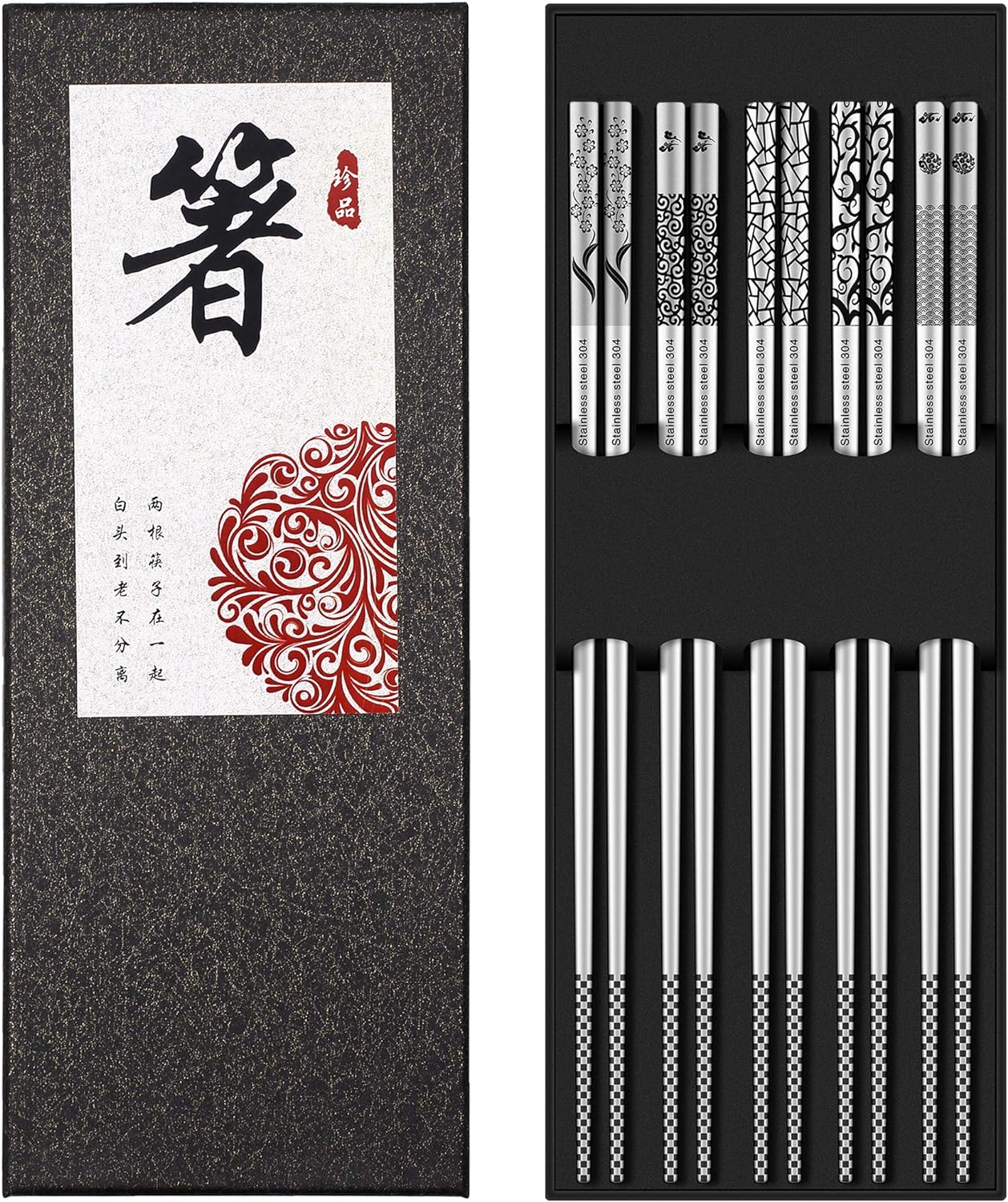 Best Seller
 Top Rated
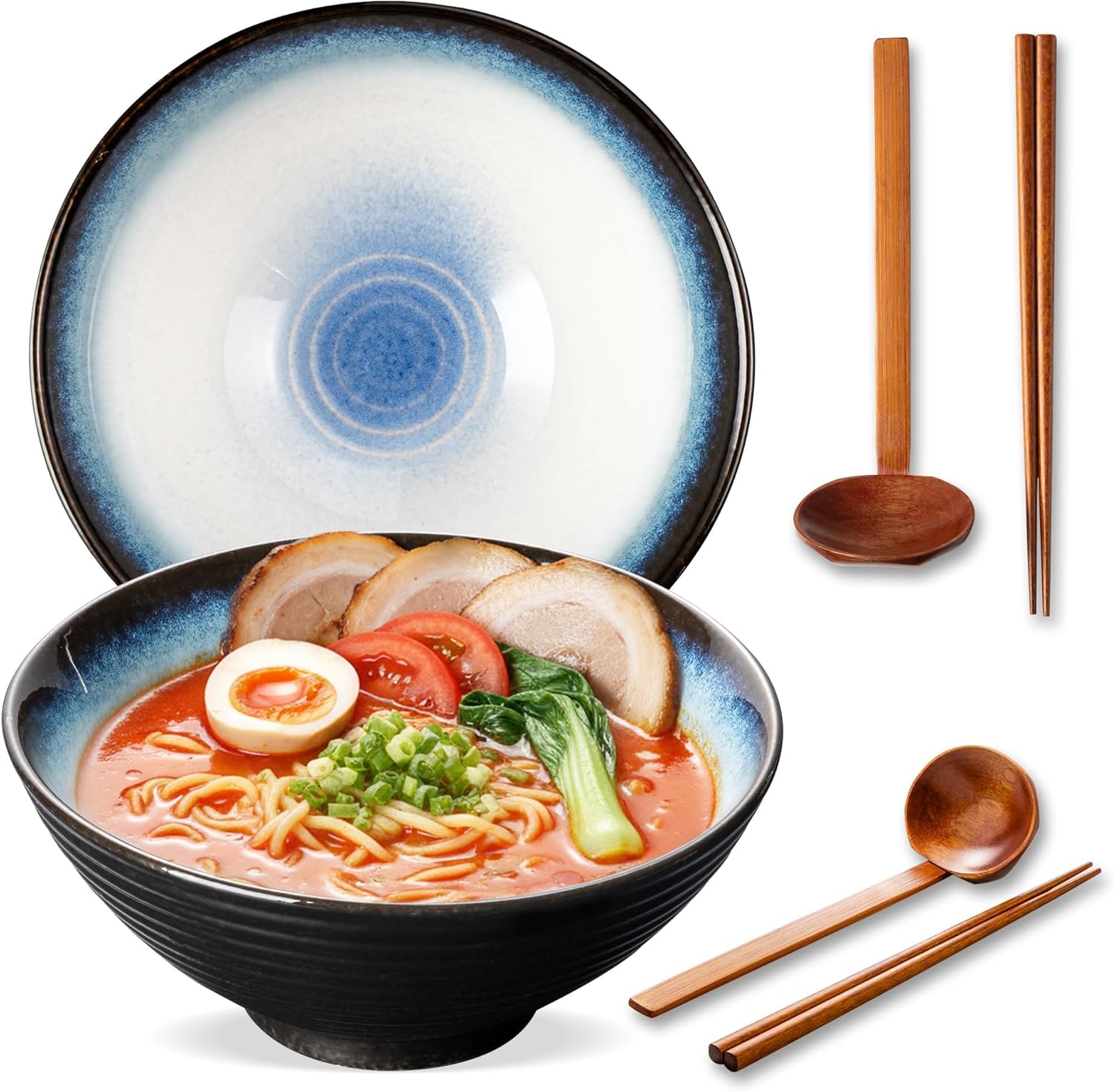 Staff Pick
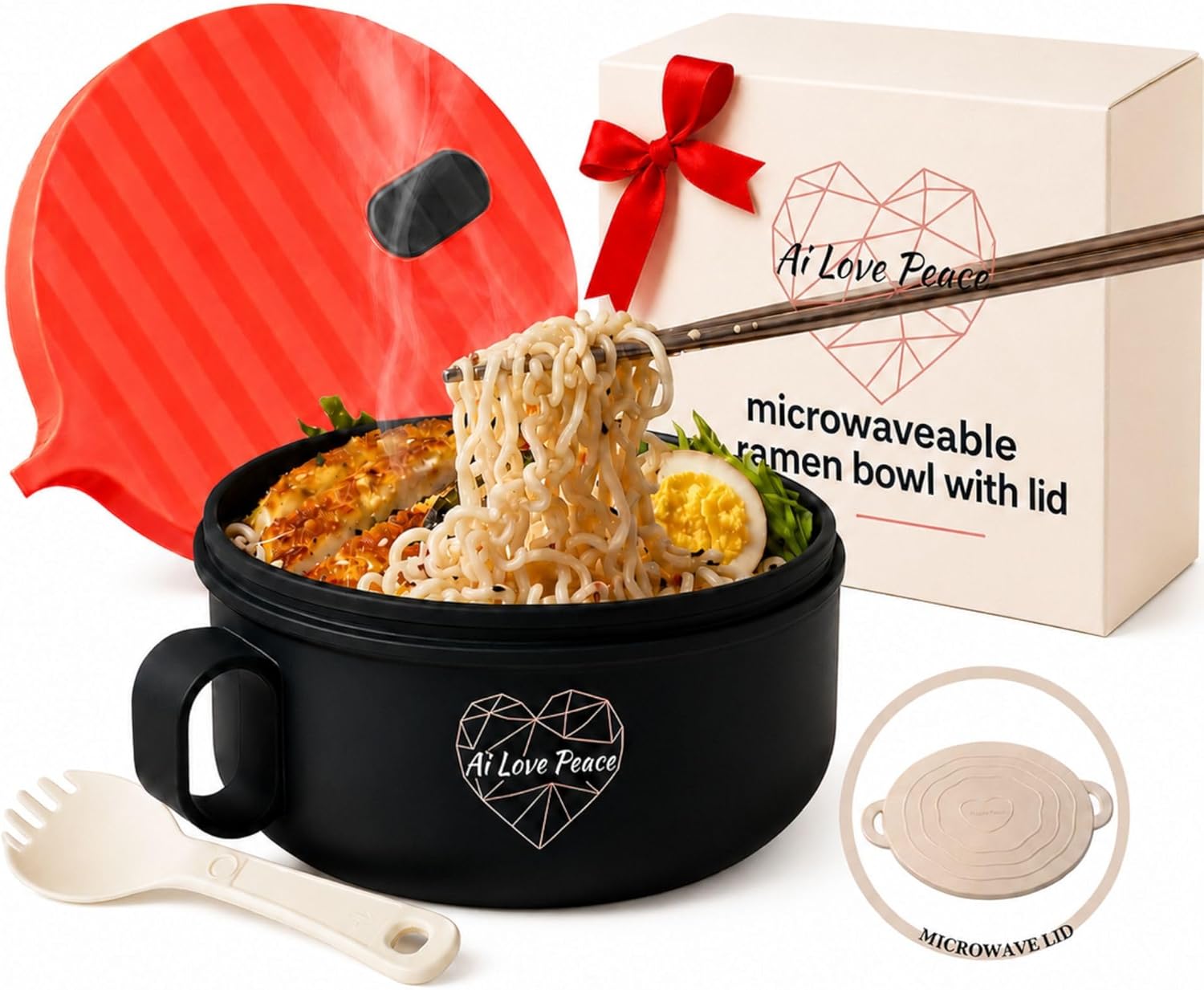 Best for Travel
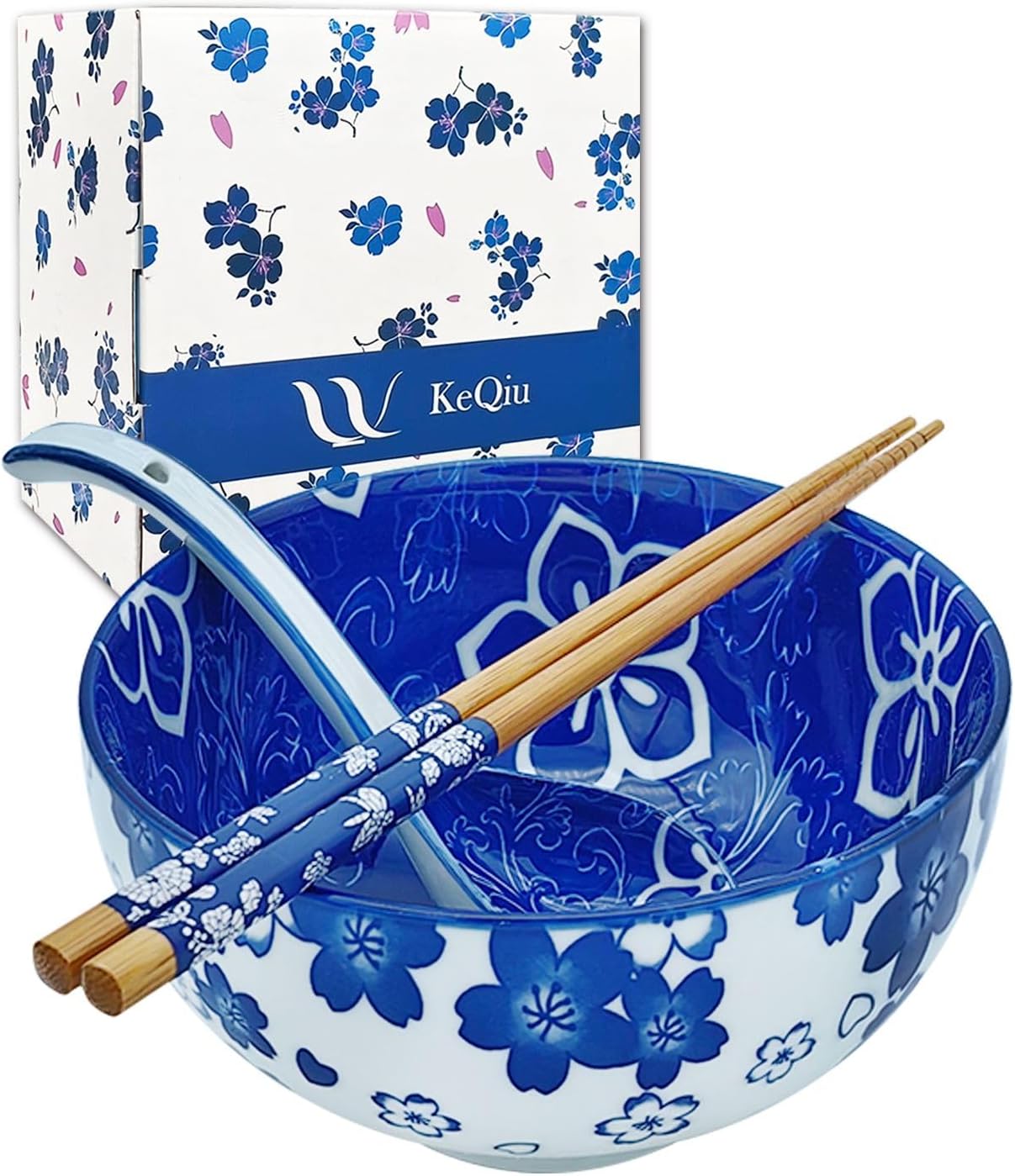 Gift Ready
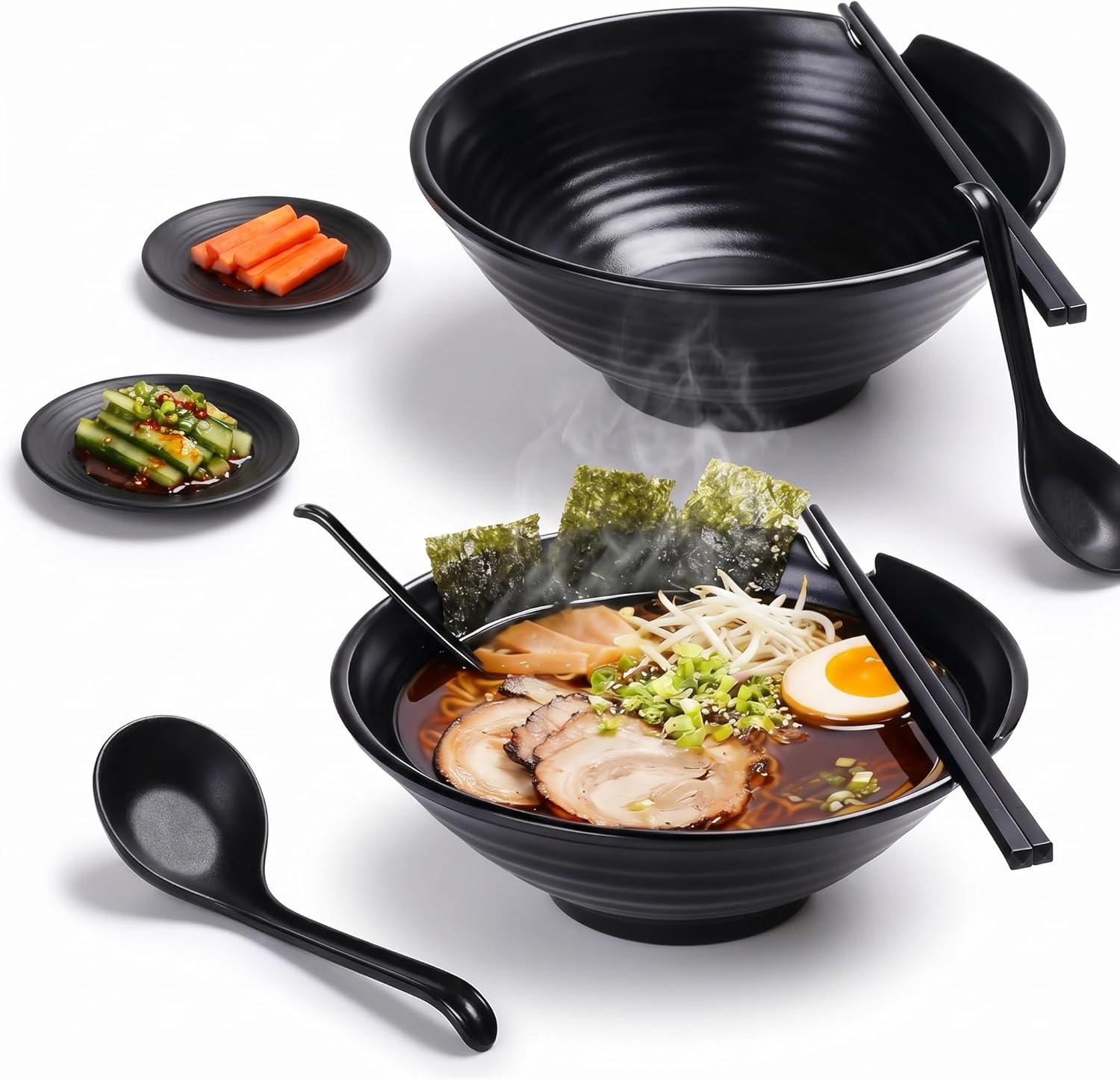 Shatter-Proof
* Affiliate links — we may earn a small commission at no extra cost to you.
 4
4Sichuan Style Noodle & Mao Cai, in Westmont, is next up, rated 4.6 out of 5 from 24 reviews.
 5
5Casual Chinese eatery preparing soup dumplings, noodle bowls, and other dim sum dishes.
 6
6Casual, energetic eatery offering Pan-Asian cuisine from lo mein to dan dan noodles plus cocktails.
 7
7Upbeat, family-owned operation doling out creative bubble tea drinks, plus sweet & savory snacks.
 8
8Dough Zone Dumpling House Overlake, in Bellevue, is next up, rated 4.4 out of 5 from 1,973 reviews.
 9
9Dough Zone Dumpling House Renton Landing, in Renton, is next up, rated 4.4 out of 5 from 887 reviews.
 10
10Noodle Deli, in Hoffman Estates, is next up, rated 4.4 out of 5 from 236 reviews.
 11
11Dough Zone Dumpling House Seattle Pine Street, in Seattle, is next up, rated 4.3 out of 5 from 1,799 reviews.
 12
12Dough Zone Dumpling House Issaquah, in Issaquah, is next up, rated 4.3 out of 5 from 1,489 reviews.
 13
13Dough Zone Dumpling House Portland, in Portland, is next up, rated 4.3 out of 5 from 1,288 reviews.
 14
14With 4.2 stars and 464 reviews, Y Noodle & Bar is a popular ramen destination in Providence, Rhode Island. Highlights include vegan-friendly options, vegetarian options, delivery, outdoor seating, a full bar, mid-range pricing.
 15
15Dough Zone Dumpling House Woodinville, in Woodinville, is next up, rated 4.2 out of 5 from 408 reviews.
 16
16Dough Zone Dumpling House Clackamas, in Happy Valley, is next up, rated 4.0 out of 5 from 155 reviews.
A curated PDF you can keep on your phone — everything worth eating, hand-picked and written up by us. Delivered to your inbox after checkout.
Secure checkout via Stripe. We'll email your guide once payment clears.
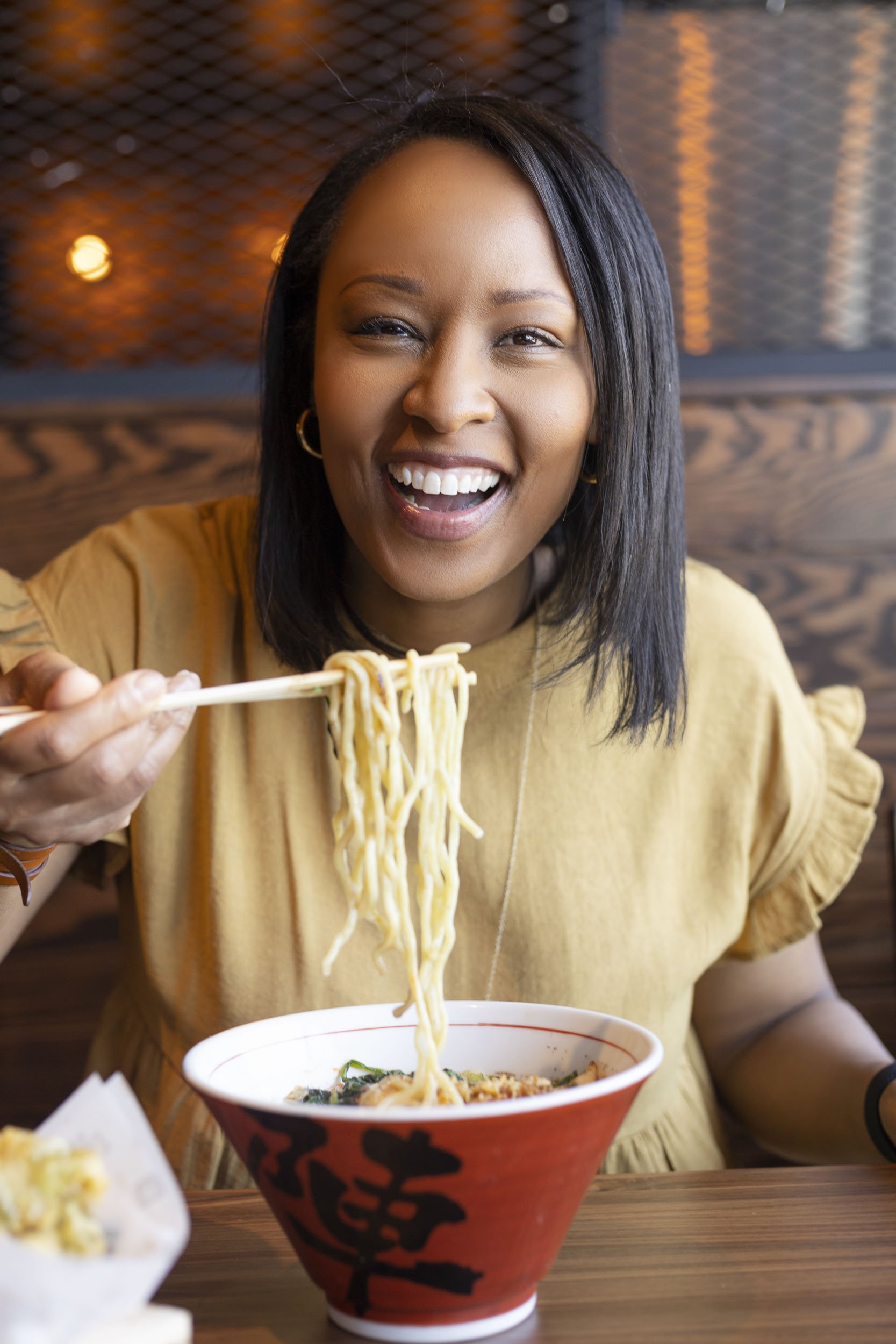
Tantanmen is comfort and fire in the same bowl — a creamy, nutty sesame broth spiked with chili oil and topped with savory ground pork that shatters into the soup and infuses every bite with its seasoning. It is rich, spicy, and deeply satisfying in a way no other ramen quite matches, and I find myself craving it more than almost any other style when the weather turns cold or I need something that truly fills me up. The map above is filtered to tantanmen near you; enter your ZIP or use your location to find the closest bowl.
Tantanmen descends from a famous Chinese dish but has evolved into something distinctly its own in Japan. The Japanese version is soupier, creamier, and rounder than its Sichuan ancestor, and understanding those differences helps you know exactly what to expect when you sit down with a bowl. Here is what tantanmen is, how it differs from dan dan noodles, and how I order it to get the best out of every version.
I have eaten a lot of tantanmen, and the element I am always evaluating first is the sesame-to-chili balance. A great tantanmen has both in conversation with each other — the sesame paste providing a nutty, creamy foundation that tempers the heat, the chili oil rising through it with real presence but not aggression. When that balance is right, the bowl is almost addictive. When one side dominates, it feels one-dimensional.
Beyond the balance question, I look for quality in the ground pork seasoning, the noodle choice, and the optional additions the shop offers. A side of rice, an extra soft egg, or a more intense chili option can all significantly change the experience. This guide covers everything so you can walk in and order with confidence.
Tantanmen is the Japanese interpretation of Chinese dan dan noodles, adapted through a distinctly Japanese sensibility that prized soup, creaminess, and balance over the dry, intense, pungently numbing character of the Sichuan original. The Japanese version is typically built on a sesame paste broth — often enriched with soy milk, chicken stock, or a combination of both — balanced with chili oil (rayu) for heat, and topped with well-seasoned ground pork and leafy greens like bok choy or spinach. The result is a bowl that is simultaneously nutty, rich, spicy, and umami-packed — a lot going on at once, but in a way that feels harmonious rather than chaotic. What distinguishes tantanmen from a standard spicy ramen is the sesame paste, which gives the broth a specific creamy, nutty body and a faintly toasty character that no other ingredient can replicate.
Ground sesame paste (neri goma) and often soy milk or a rich stock give the broth its signature creamy, nutty body. The sesame should taste toasty and present, not faint or washed out. It is the defining characteristic of the style.
Rayu (chili oil) and sometimes a chili paste bring the spice, balanced against the richness of the sesame. The heat should build gradually and feel warming rather than punishing. The sesame tempers the edge of the chili without masking it entirely.
Seasoned minced pork — stir-fried with garlic, ginger, and a soy-based seasoning — and leafy greens are the classic toppings. The pork breaks apart as you eat and infuses the broth with extra savory richness. The greens provide freshness and a slight bitterness that cuts through the richness.
The original Sichuan dan dan noodles are typically served with very little or no broth, topped with a dry, intensely flavored mix of pork, preserved vegetables, and a sauce built on sesame paste, soy, vinegar, and a generous quantity of Sichuan peppercorns for the signature mala (numbing-spicy) sensation. When this dish traveled to Japan — most accounts credit a Chinese vendor in Yokohama's Chinatown for the early adaptation — it was transformed to suit Japanese preferences: more soup was added, the mala peppercorn heat was dialed back in favor of a rounder chili oil heat, and the sesame was amplified into a creamier, more prominent broth base. The result is a dish that shares the spirit of dan dan noodles while being clearly and distinctly Japanese in its execution. Both are worth trying, and if you love one, the other is a natural next step.
Dan dan noodles are traditionally almost brothless — a small amount of sauce rather than a bowl of soup. Japanese tantanmen is genuinely soupy, with a creamy sesame broth that is fully drinkable and central to the experience.
Sichuan dan dan uses Sichuan peppercorns for a numbing, tingling, electric heat. Japanese tantanmen typically uses chili oil (rayu) for a warmer, rounder, more familiar heat that builds rather than numbs.
In the original, sesame paste is one component of a complex sauce. In Japanese tantanmen, it is the foundation of the entire broth — amplified and diluted into a creamy, nutty soup that defines the character of the bowl.
I order at a medium-to-high spice level so the chili shows up clearly without burying the sesame — that balance is everything. I always add a soft egg for the extra richness the runny yolk provides, and I mix the chili oil through the bowl before digging in rather than leaving it pooled on top. If the shop offers an extra sesame option or a more numbing Sichuan-peppercorn version, I will try it at least once to understand what dimension it adds. A side of rice is not just a nice afterthought — it is legitimately great for soaking up the last of that creamy, spicy broth when the noodles are gone, and I order it almost every time.
Start at medium if you are not sure of your heat tolerance. Tantanmen's sesame base softens the chili significantly, so a medium spice in tantanmen feels milder than medium in a straight chili ramen. You can always add more chili oil at the table.
Stir the bowl thoroughly before your first bite. The chili oil and sesame can pool separately if left to settle, and mixing ensures every noodle is coated evenly. Do not be shy about this — really work the bowl.
A small bowl of white rice dropped into the remaining tantanmen broth at the end — or eaten alongside it as a scoop — soaks up the creamy, spicy remnants beautifully. It turns the last few spoonfuls into something almost risotto-like.
Tantanmen appears in a range of variations across different shops, and knowing the language helps you order the right version. Some shops offer a white tantanmen (shiro tantanmen) that is creamier and milder, built more heavily on soy milk and white sesame for a subtler, less fiery bowl. Others offer a black version (kuro tantanmen) that uses black sesame paste for a more intense, slightly bitter, deeply nutty character. A vegan or vegetarian tantanmen replaces the ground pork with seasoned mushrooms or plant-based protein, and a good version can be excellent — the sesame broth is naturally plant-based. If a shop offers a tsukemen-style tantanmen where you dip the noodles into a concentrated sesame-chili sauce, that is worth ordering at least once for the intensity of flavor you get in each dip.
A milder, creamier version built on soy milk and white sesame. Less fiery and more subtle than the standard version. Good entry point if you are heat-sensitive but still want the sesame experience.
Uses black sesame paste instead of white, producing a darker, slightly more bitter, intensely nutty broth with a dramatic appearance. The flavor is more complex and roasted than the standard version.
The sesame-and-soy-milk broth is naturally plant-based, so vegetarian tantanmen can be genuinely excellent. Look for shops that use well-seasoned mushroom or tofu in place of pork — a great version should be just as satisfying as the original.
Tantanmen is the Japanese version of Chinese dan dan noodles — a creamy, nutty sesame broth spiked with chili oil and topped with seasoned ground pork and leafy greens. It is rich and spicy at once, with the sesame providing a creamy base that balances the heat of the chili oil. It is soupier and creamier than the Sichuan original.
Sichuan dan dan noodles are typically almost brothless, served with a dry, intensely flavored sauce and the numbing heat of Sichuan peppercorns. Japanese tantanmen has a full, creamy sesame soup as its base, uses chili oil instead of mala peppercorns for a warmer, rounder heat, and is generally soupier and more approachable in character.
It is adjustable. The chili oil brings real heat, but the creamy sesame base buffers it significantly — tantanmen at a medium spice level feels milder than a medium-spice straight chili ramen. Order a moderate level and add more chili oil at the table if you want to push the heat further. The sesame keeps it from ever feeling purely fiery.
The sesame and soy milk broth base is naturally plant-based, but most standard versions include ground pork and are built on a meat stock. Some shops offer a genuinely excellent vegetarian or vegan tantanmen with mushrooms or plant-based protein and a vegetable or kombu stock. Confirm before ordering if it is important to you.
The map above is filtered to tantanmen. Enter your ZIP or tap "Use my location" to sort the closest bowls by distance, then open any listing for hours, photos, and directions. Check reviews specifically for mentions of sesame depth and heat balance.
The sesame base in tantanmen is neri goma — a smooth, creamy paste made from ground white sesame seeds, similar in texture to tahini but with a distinctly toasted, Japanese-style flavor. It is blended into the broth (often alongside soy milk or a rich stock) to create the characteristic nutty, creamy body of the style. The quality of the sesame paste has an enormous effect on the final bowl.
Most tantanmen shops offer spice level options when you order, and many also provide extra chili oil or chili paste at the table so you can adjust as you eat. If you are heat-sensitive, ask for the mildest level — the sesame broth will still be flavorful without the chili. If you love heat, request extra rayu and add more from the table condiments.
The creamy, spicy sesame broth is so good that leaving it in the bowl when you finish the noodles feels like a waste. A small bowl of plain white rice soaks up every last drop beautifully, and the combination is almost risotto-like in its richness and satisfaction. Many shops offer oimeshi — a scoop of rice added directly to the remaining broth — as a standard option.
From the community