
 1
1Shin-Sen-Gumi Hakata Ramen - Little Tokyo
Informal Japanese chain serving charcoal-grilled yakitori, plus sushi, udon & ramen.
Every ramen restaurant we track that matches this, ranked by rating and review volume. Search by name or city, or switch to the map.
8 ramen restaurants on this page
8 ramen restaurants
1Informal Japanese chain serving charcoal-grilled yakitori, plus sushi, udon & ramen.
 2
2Long-standing eatery turning out sushi, sake & other Japanese fare in a basic setting.
 3
3Hakata Downtown, in Jacksonville, is next up, rated 4.4 out of 5 from 76 reviews.
Ramen Gear
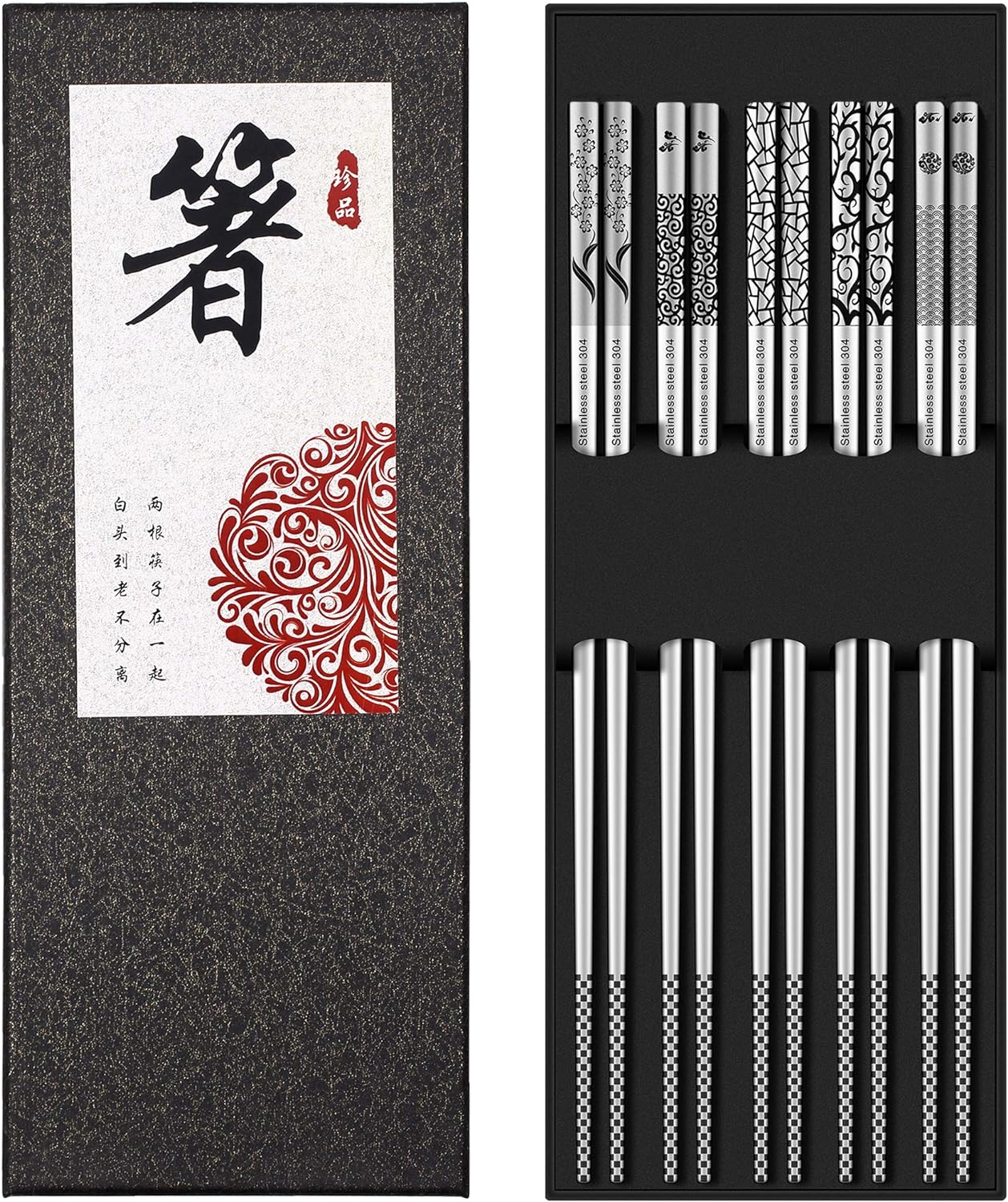 Best Seller
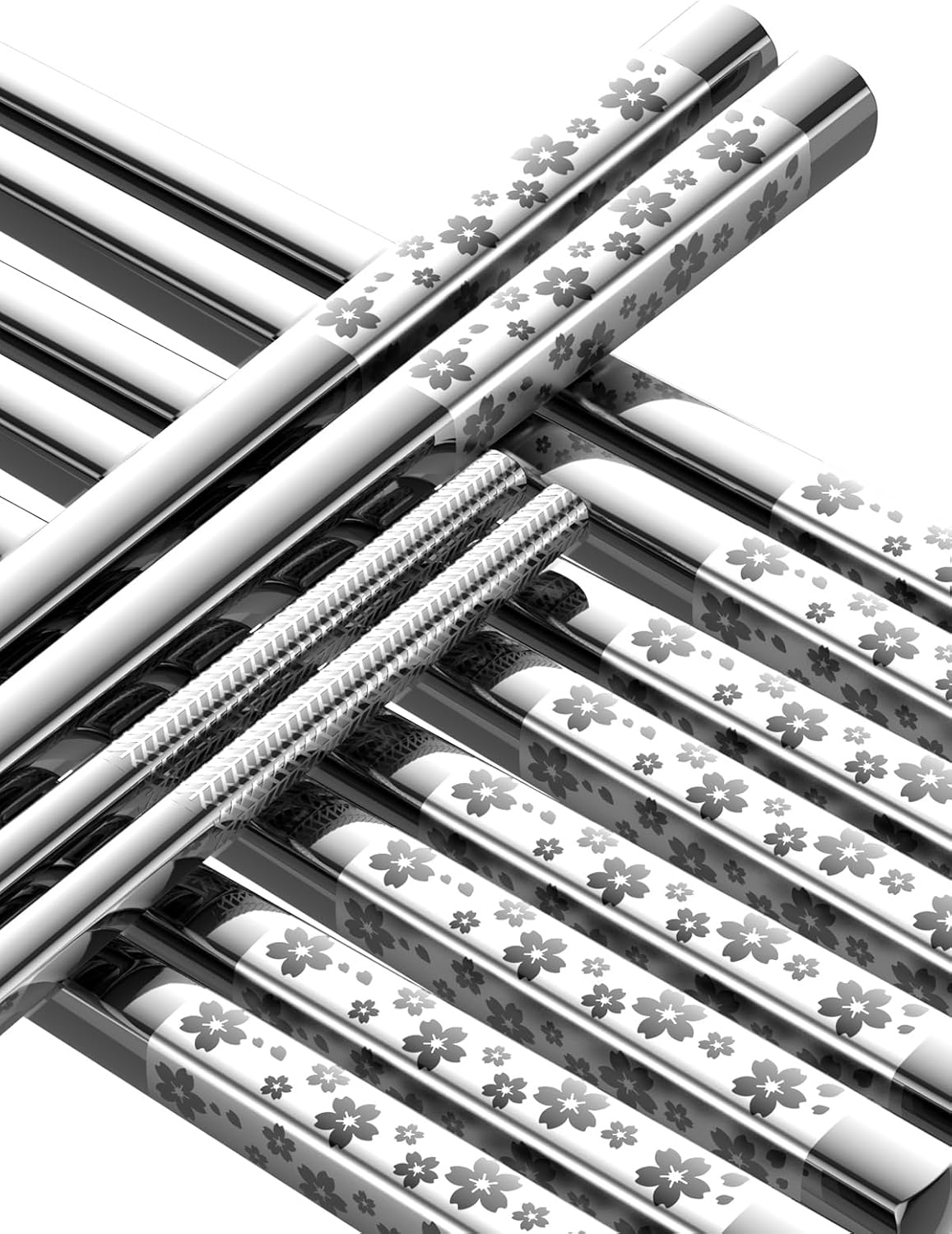 Top Rated
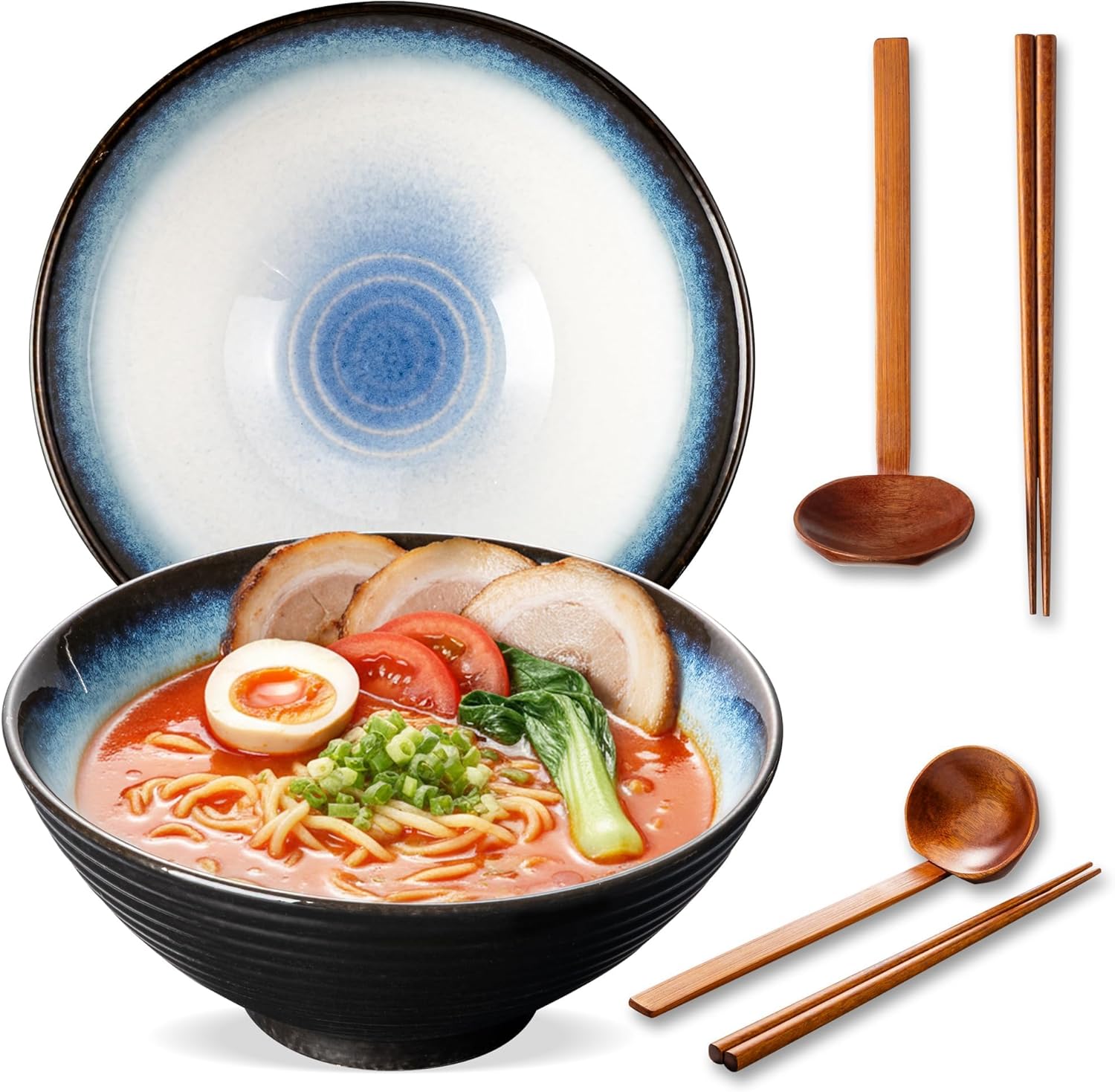 Staff Pick
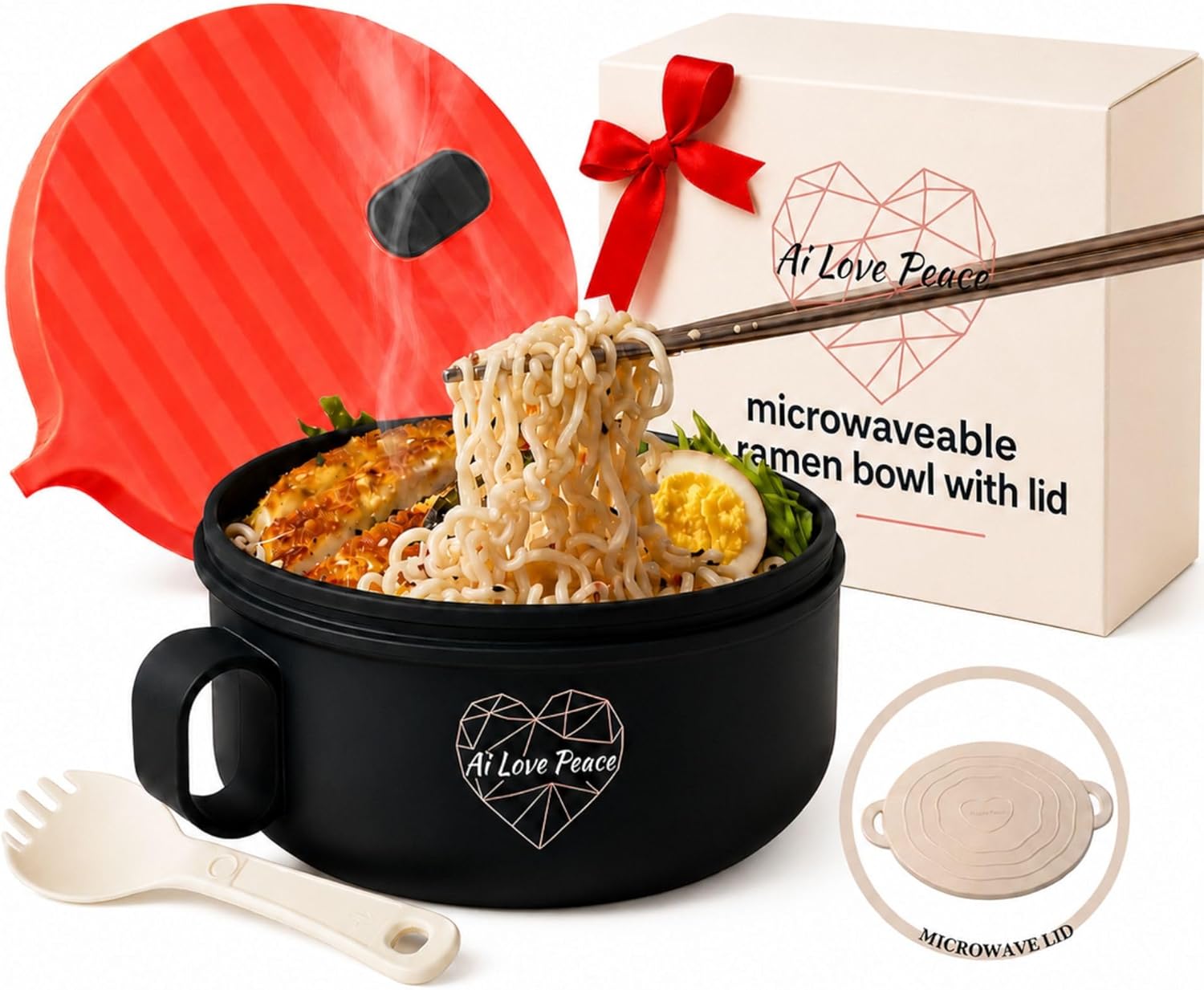 Best for Travel
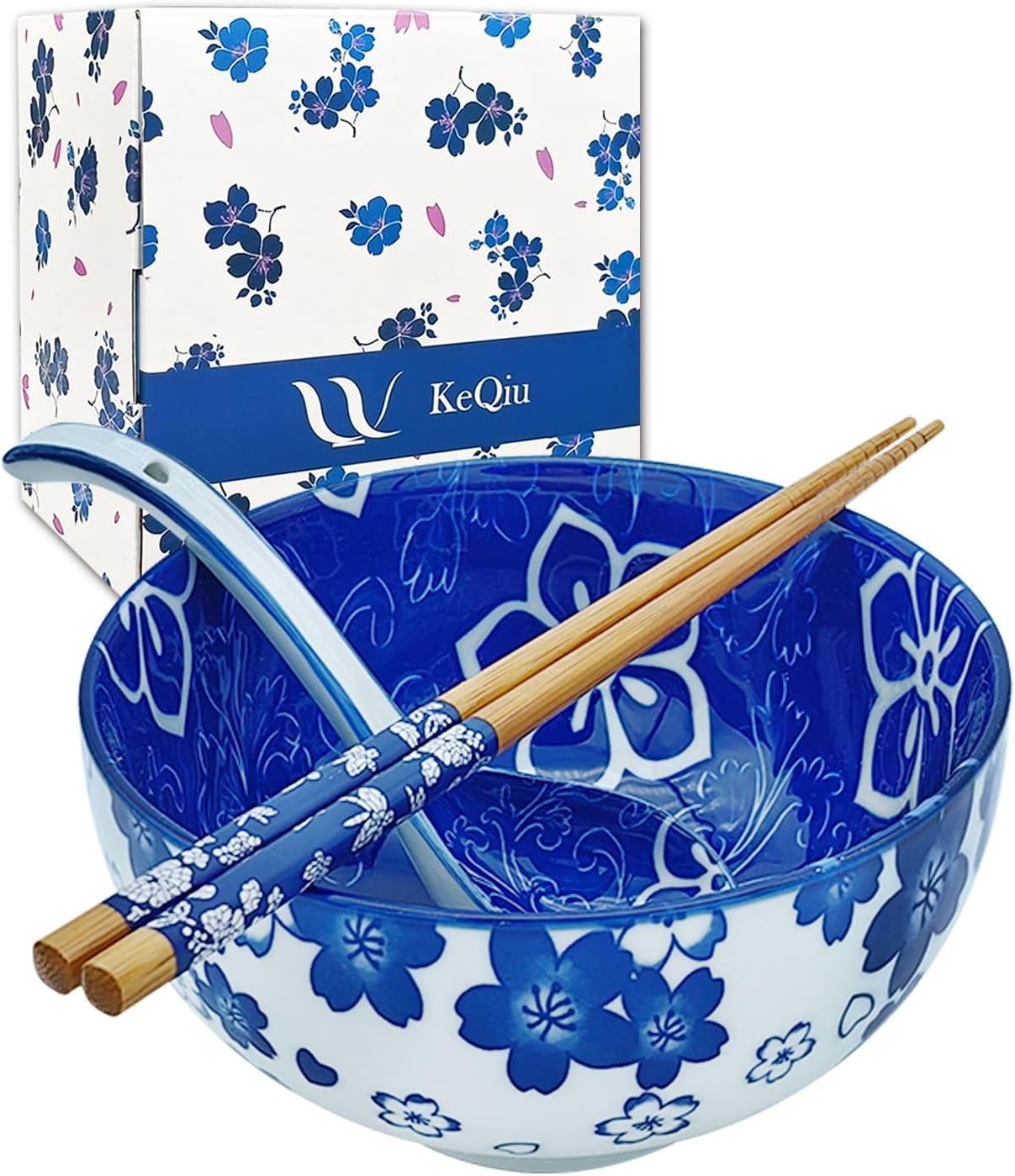 Gift Ready
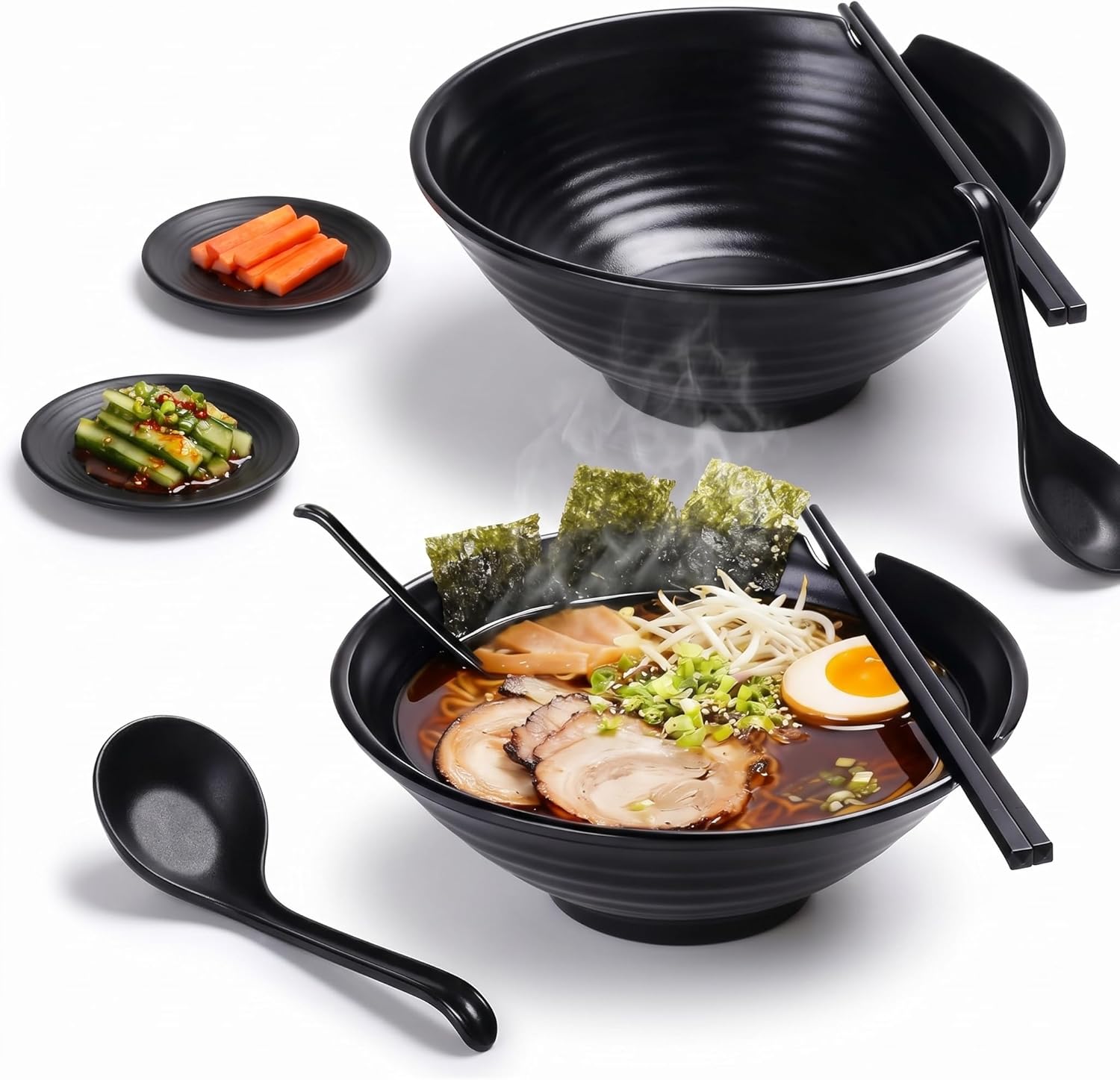 Shatter-Proof
* Affiliate links — we may earn a small commission at no extra cost to you.
 4
4With 4.4 stars and 54 reviews, Hakata Ramen Restaurant is a popular ramen destination in Springville, Utah.
 5
5Steaks are grilled at hibachi tables at this group-friendly Japanese eatery with a sushi menu.
 6
6Shin-Sen-Gumi Hakata Ramen Express - Hollywood is a ramen restaurant serving the Los Angeles area.
 7
7Informal Japanese chain serving charcoal-grilled yakitori, plus sushi, udon & ramen.
 8
8Hakata Ramen House, in Glenview, is next up.
A curated PDF you can keep on your phone — everything worth eating, hand-picked and written up by us. Delivered to your inbox after checkout.
Secure checkout via Stripe. We'll email your guide once payment clears.

Hakata ramen is where tonkotsu began — a rich, milky pork-bone broth from the Hakata district of Fukuoka on the island of Kyushu, built specifically around thin, straight, extra-firm noodles and a tradition of kaedama, where you order a fresh batch of noodles to finish off the broth once the first serving is gone. The map above is filtered to Hakata-style ramen near you; enter your ZIP or tap "Use my location" to find the closest bowl.
What sets Hakata ramen apart from tonkotsu in general is how deliberately restrained the bowl is. The noodles are thin and cook fast — traditionally in under a minute — which is why Hakata shops let you order noodle firmness by name and why kaedama exists at all: the noodles are meant to be eaten quickly, in multiple small rounds, while the broth stays hot and constant underneath.
Here is what makes Hakata ramen the archetype it is, the customs around ordering it, and how I approach a bowl to get the full experience.
The broth is a straight, intensely simmered pork-bone tonkotsu — bones boiled at a hard, rolling simmer for 12 to 18 hours until the collagen and marrow emulsify into a milky, opaque stock. The noodles are the real signature: extremely thin, straight, and cooked firm, designed to be eaten quickly before they soften in the hot broth. Toppings are minimal and deliberate — chashu, wood-ear mushroom, scallion — because the broth and noodles are meant to carry the bowl on their own, with seasoning customization left to the condiments on the table rather than baked into the dish.
The thinnest and straightest of the tonkotsu-style noodles, cooked to order and meant to be eaten quickly before they soften.
Order "katame" for extra firm, "futsuu" for standard, or "yawarakame" for soft — a Hakata-specific custom built around how fast these thin noodles cook.
When your bowl is down to mostly broth, order kaedama — a fresh portion of noodles dropped straight into your remaining soup so nothing goes to waste.
I always request katame (firm) noodles, since the classic Hakata noodle is thin enough that it can go soft fast in the hot broth. I build the bowl at the table using the condiments — crushed sesame, pickled ginger, extra garlic, and chili oil are standard — adding them one at a time rather than all at once so I can taste what each one does. When the first round of noodles is gone and I still have broth left, kaedama is the move: a fresh portion of noodles dropped directly into what remains, so the meal continues without losing any of that long-simmered broth.
Ask for katame so the thin Hakata noodles hold their bite instead of going soft partway through the bowl.
Use the condiment tray thoughtfully — garlic for depth, chili oil for heat, pickled ginger for brightness — adding each gradually.
If you still have broth once the noodles are gone, order a kaedama refill rather than leaving that long-simmered broth unfinished.
Hakata ramen is the original tonkotsu ramen style, from the Hakata district of Fukuoka on Kyushu — a rich, milky pork-bone broth served with thin, straight, extra-firm noodles and built around the kaedama noodle-refill tradition.
Hakata ramen is specifically the original, archetypal tonkotsu style — the thinnest, straightest noodles and the most restrained toppings. "Tonkotsu" more broadly covers regional variations like Kurume and Kumamoto style that differ in intensity and additions.
Kaedama is an extra portion of noodles you order once your bowl is down to mostly broth. The cook drops fresh noodles directly into your remaining soup so you can finish every last drop — a defining Hakata custom.
Katame means firm noodles. Because Hakata noodles are so thin, they cook and soften quickly in the hot broth, so ordering katame is the standard way to keep their bite through the whole bowl.
The map above is filtered to Hakata-style ramen. Enter your ZIP or tap "Use my location" to sort the closest bowls by distance, then check menus and reviews for thin, straight noodles and kaedama service to confirm the style.
From the community