
 1
1JINYA Ramen Bar - Union Station
JINYA Ramen Bar - Union Station, out in Denver, is our top pick — rated 4.9 out of 5 from 19,089 reviews.
Every ramen restaurant we track that matches this, ranked by rating and review volume. Search by name or city, or switch to the map.
77 ramen restaurants on this page
77 ramen restaurants
1JINYA Ramen Bar - Union Station, out in Denver, is our top pick — rated 4.9 out of 5 from 19,089 reviews.
 2
2With 4.9 stars, JINYA Ramen Bar - Woodlands stands out as one of the top-rated Japanese spot in Spring delivering consistently satisfying ramen. Come for vegan-friendly options, stay for a curated sake and cocktail menu.
 3
3A Japanese destination in Cypress with a menu built around comfort and flavor. Guests enjoy vegan-friendly options and a curated sake and cocktail menu.
Ramen Gear
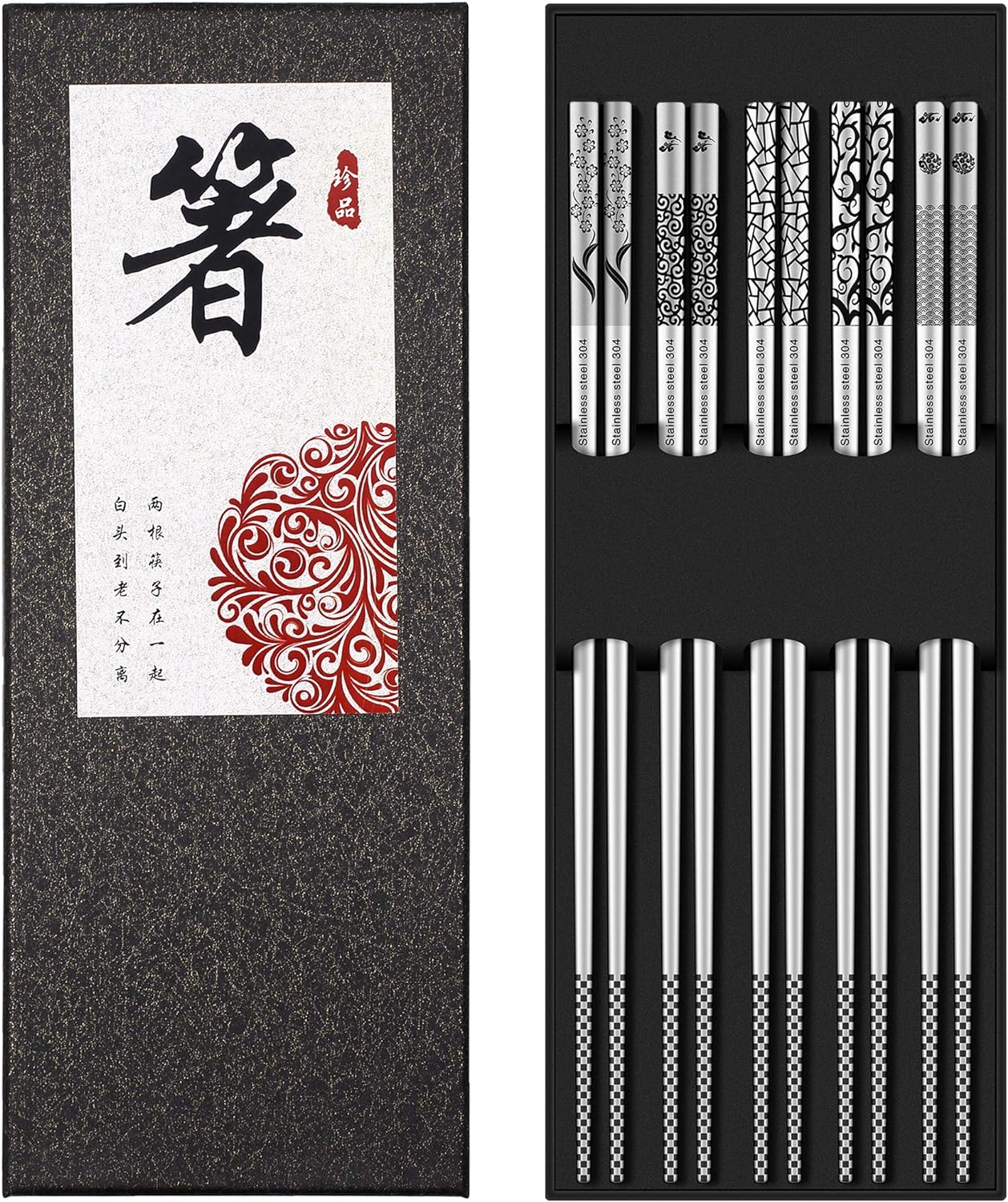 Best Seller
 Top Rated
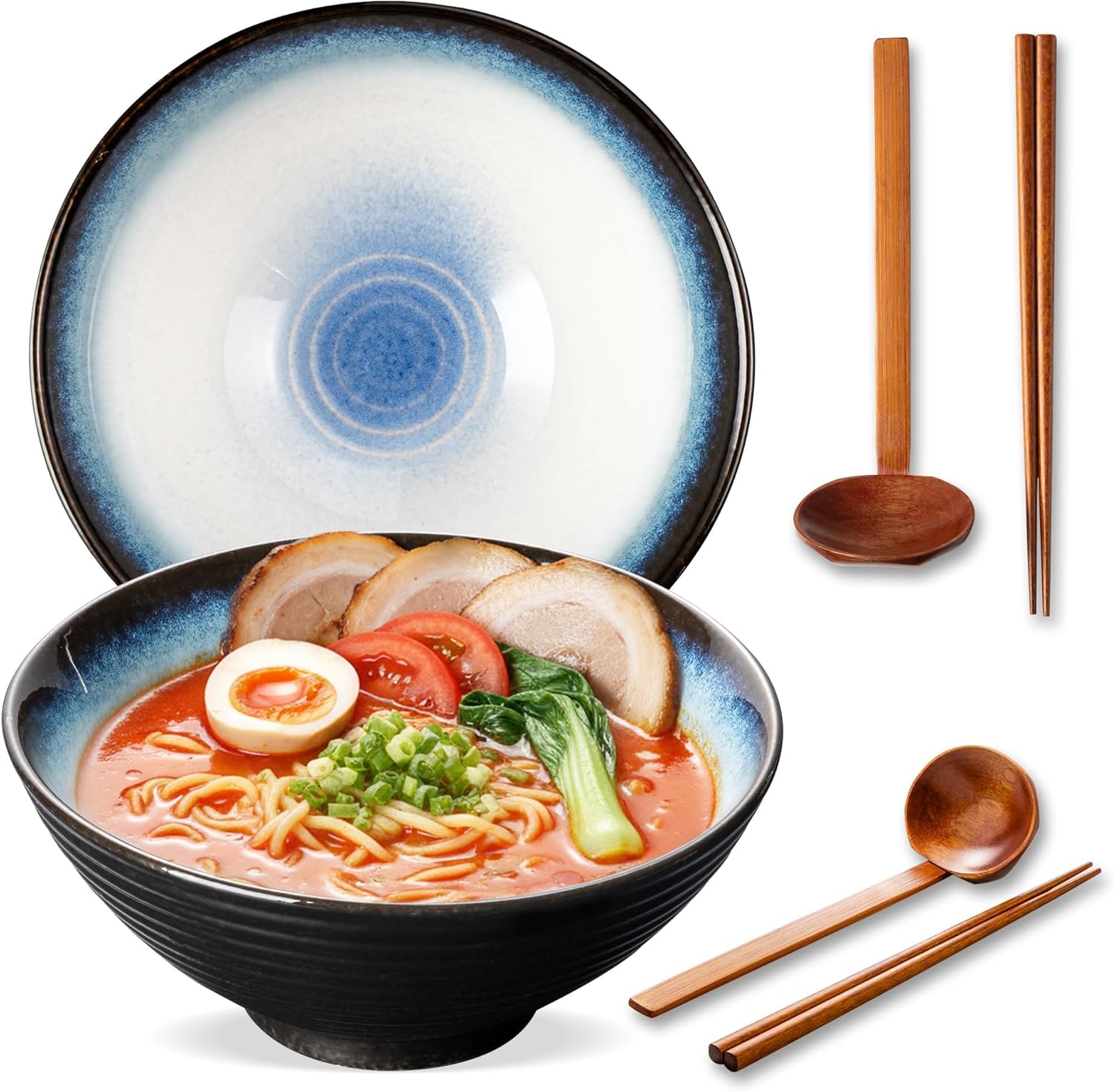 Staff Pick
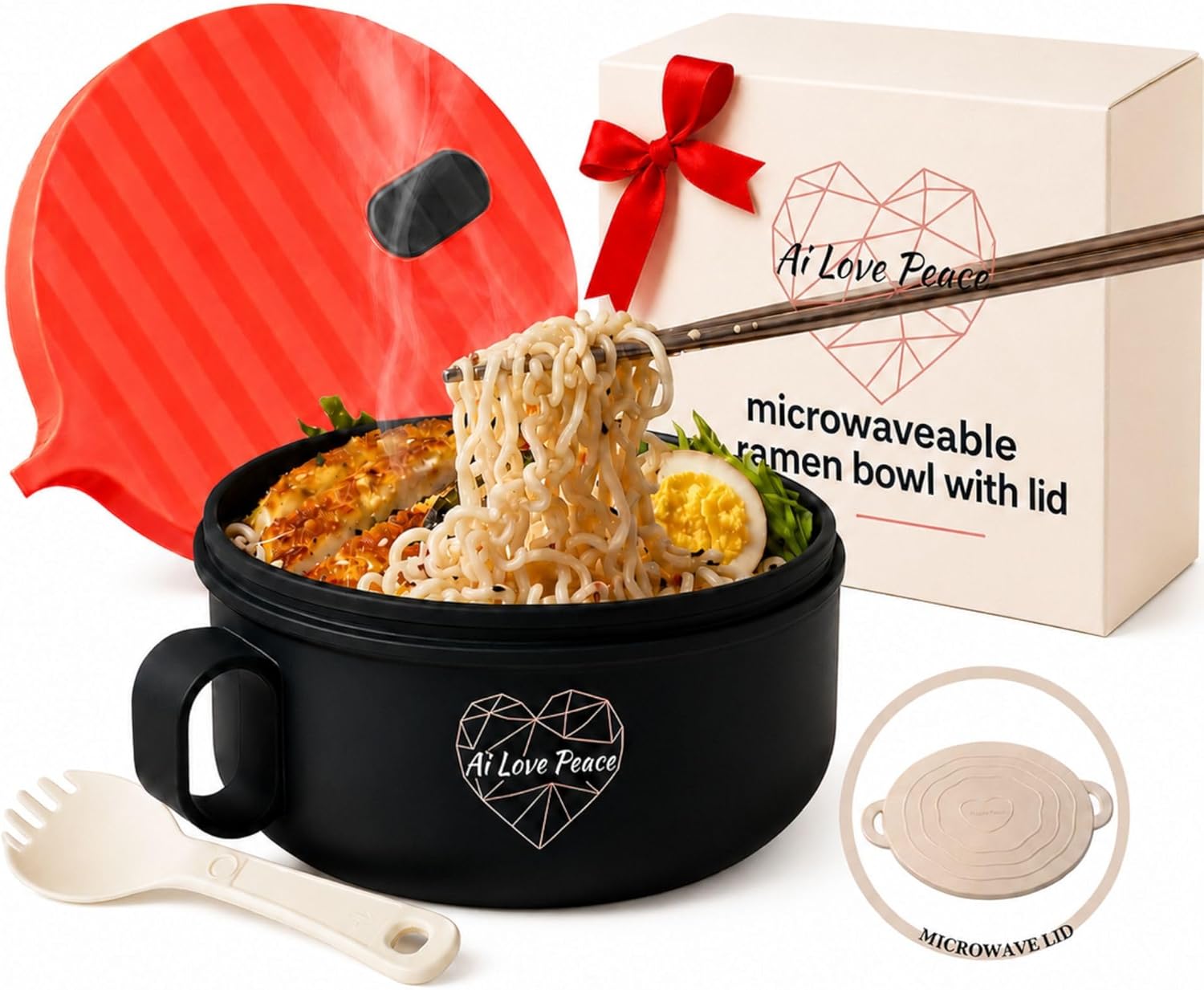 Best for Travel
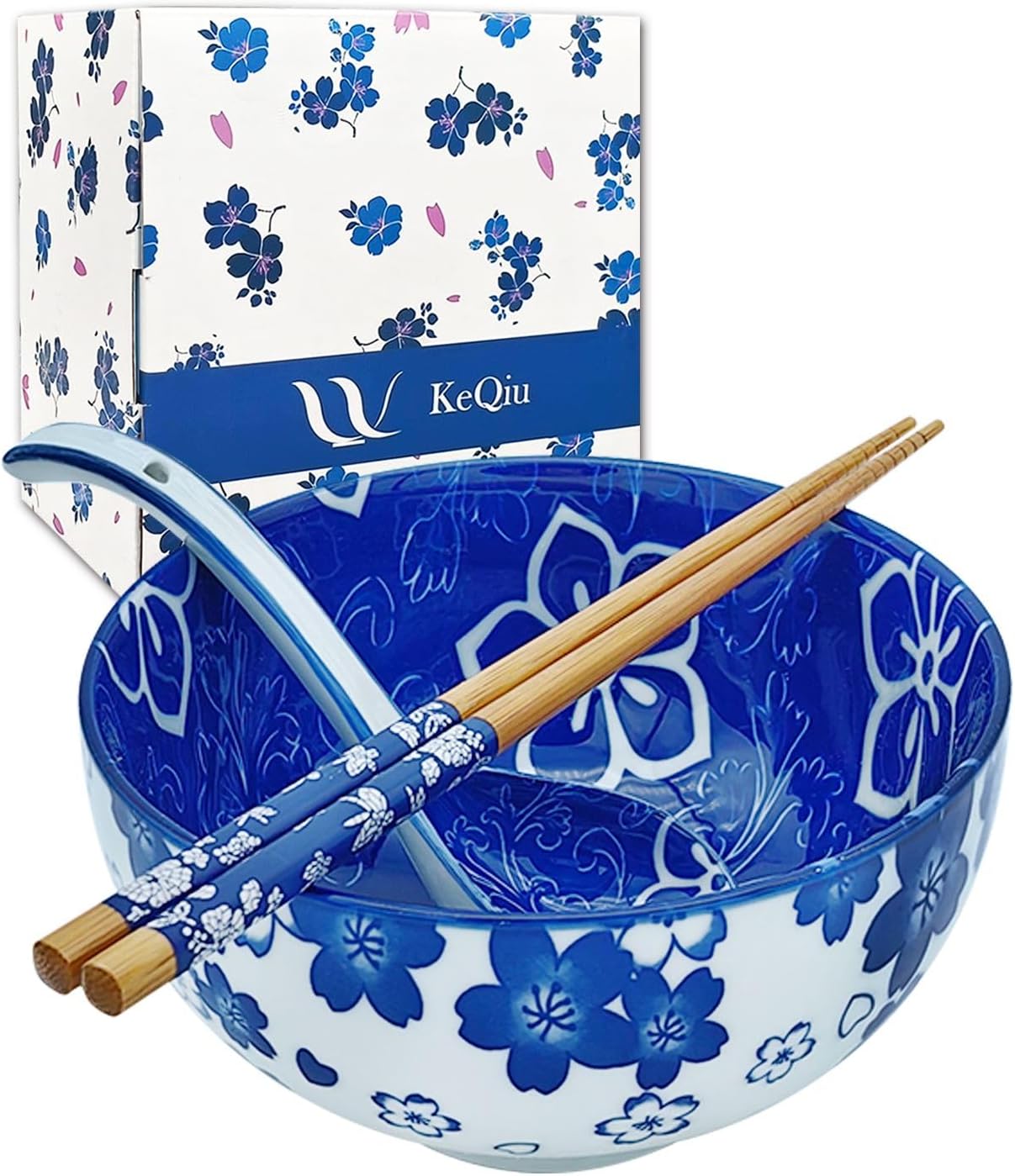 Gift Ready
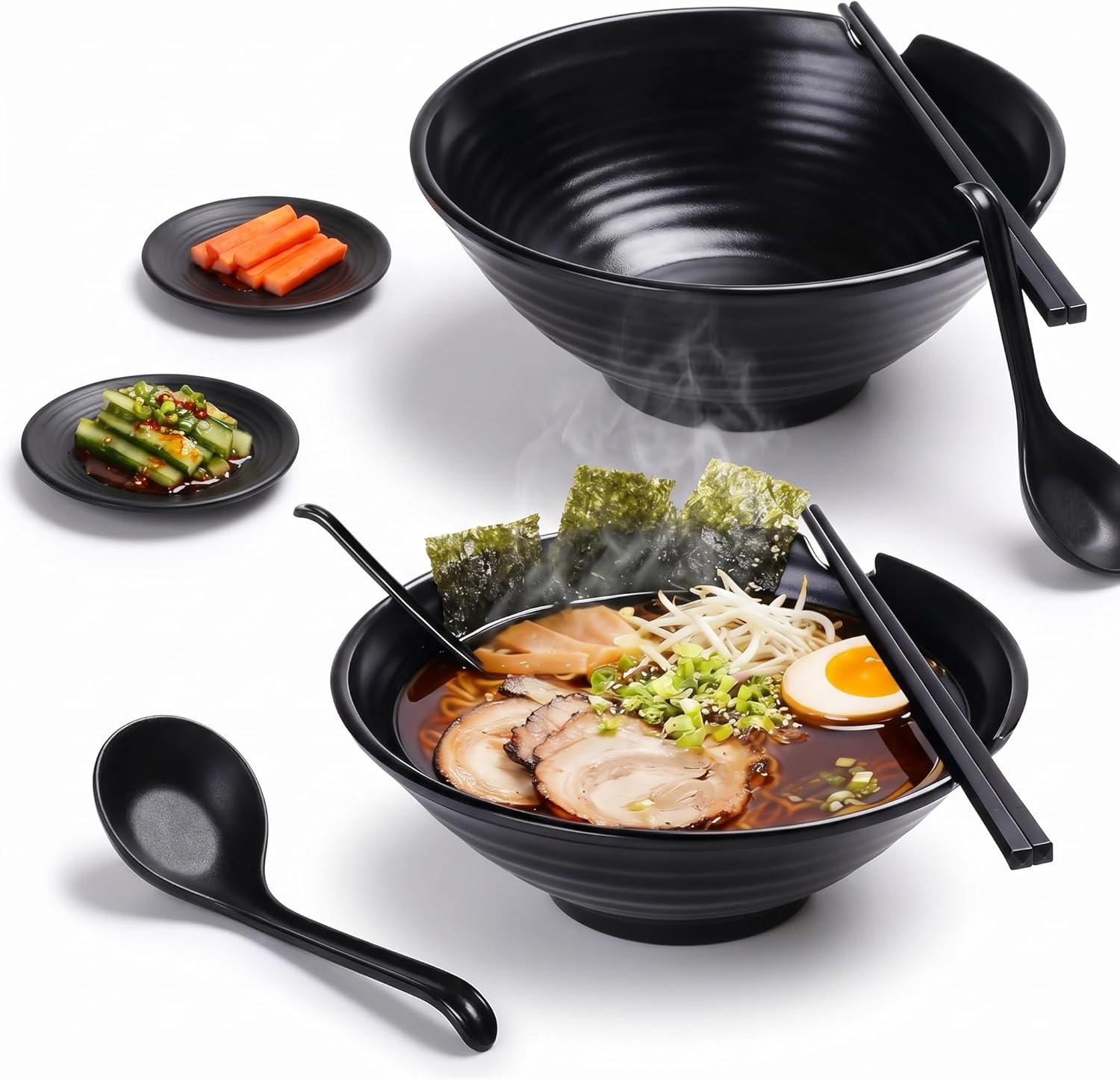 Shatter-Proof
* Affiliate links — we may earn a small commission at no extra cost to you.
 4
4JINYA Ramen Bar - Heights Waterworks is a standout Japanese restaurant in Houston with a menu of classic and creative ramen bowls. Known for vegan-friendly options.
 5
5Moderately priced Japanese destination in Pearland offering a wide selection of ramen styles. Features vegan-friendly options.
 6
6JINYA Ramen Bar - Fort Collins, in Fort Collins, is next up, rated 4.9 out of 5 from 4,172 reviews.
 7
7Tucked into Sugar Land, JINYA Ramen Bar - Sugar Land is one of the top-rated Japanese shop offering a satisfying lineup of noodle bowls. Highlights include vegan-friendly options.
 8
8With 4.9 stars and 3,867 reviews, JINYA Ramen Bar - Carrollton is a popular ramen destination in Carrollton, Texas. Highlights include vegan-friendly options, vegetarian options, delivery, outdoor seating, a full bar, mid-range pricing.
 9
9A celebrated Japanese spot in Houston serving a rotating menu of ramen styles. Offers vegan-friendly options and a curated sake and cocktail menu.
 10
10With 4.9 stars and 2,667 reviews, JINYA Ramen Bar - Preston Hollow is a popular ramen destination in Dallas, Texas. Highlights include vegan-friendly options, vegetarian options, delivery, outdoor seating, a full bar, mid-range pricing.
 11
11With 4.9 stars. JINYA Ramen Bar - South Bend is a top-rated restaurant in South Bend. offering vegan-friendly options, a full bar.
 12
12JINYA Ramen Bar - Culver City is a ramen restaurant serving the Los Angeles area.
 13
13Modern casual chain known for its tonkotsu ramen noodle soup & other Japanese dishes.
 14
14Moderately priced Japanese destination in Katy offering a wide selection of ramen styles. Features vegan-friendly options.
 15
15Modern casual chain known for its tonkotsu ramen noodle soup & other Japanese dishes.
 16
16With 4.8 stars, JINYA Ramen Bar - FM 1960 stands out as a standout Japanese spot in Houston delivering consistently satisfying ramen. Come for vegan-friendly options, stay for a curated sake and cocktail menu.
 17
17With 4.8 stars and 3,801 reviews, JINYA Ramen Bar - Arlington is a popular ramen destination in Arlington, Virginia. Highlights include vegan-friendly options, vegetarian options, delivery, outdoor seating, a full bar, mid-range pricing.
 18
18JINYA Ramen Bar - OKC - Nichols Hills, in Oklahoma City, is next up, rated 4.8 out of 5 from 2,525 reviews.
 19
19JINYA Ramen Bar - Colorado Springs, in Colorado Springs, is next up, rated 4.8 out of 5 from 2,395 reviews.
 20
20JINYA Ramen Bar - Union Market is a ramen restaurant in Washington, DC.
 21
21JINYA Ramen Bar - Georgetown is a ramen restaurant in Washington, DC.
 22
22Elegant outlet of an LA-based Japanese chain known for long-simmered noodle soups, wide menu, and drinks.
 23
23Vibrant gathering place spotlighting ramen entrees & finger foods, plus rice & poke bowls.
 24
24JINYA Ramen Bar - Tulsa, in Tulsa, is next up, rated 4.7 out of 5 from 4,889 reviews.
 25
25Modern chain serving ramen noodle varieties & other traditional Japanese fare, with a large bar.
 26
26JINYA Ramen Bar - SouthPark, in Charlotte, is next up, rated 4.7 out of 5 from 2,651 reviews.
 27
27A standout Japanese spot in Kennesaw serving a rotating menu of ramen styles. Offers vegan-friendly options and a curated sake and cocktail menu.
 28
28Casual spot for classic ramen noodle dishes like spicy tori paitan, plus gyoza chicken & pork buns.
 29
29Japanese noodles & small plates served with sake & beer in a comfortable setting.
 30
30Ramen Chikumo -Japanese Toripaitan is a ramen restaurant serving the Los Angeles area.
 31
31Popular noodle house & bar with funky vibe serving classic ramen with many options for topping.
 32
32Informal ramen restaurant with a specialty for tonkotsu ramen in a pork bone broth.
 33
33Branch of a Tokyo-based chain specializing in tonkotsu ramen, griddled dishes, and fried chicken.
 34
34Casual, modern Japanese chain serving varieties of ramen noodle soup & other traditional dishes.
 35
35Casual branch of a local chain specializing in Japanese noodle soup, located in a shopping center.
 36
36A well-loved Japanese spot in Alpharetta serving a rotating menu of ramen styles. Offers vegan-friendly options and a curated sake and cocktail menu.
 37
37Traditional ramen, plus gyoza, special sushi rolls & sake in a casual, brick-walled eatery.
 38
38A Japanese destination in Buford with a menu built around comfort and flavor. Guests enjoy vegan-friendly options and a curated sake and cocktail menu.
 39
39With 4.6 stars and 1,146 reviews, JINYA Ramen Bar - Lake Grove is a popular ramen destination in Lake Grove, New York. Highlights include vegan-friendly options, vegetarian options, outdoor seating, a full bar.
 40
40With 4.6 stars, JINYA Ramen Bar - Poncey Highland stands out as a well-loved Japanese spot in Atlanta delivering consistently satisfying ramen. Come for vegan-friendly options, stay for a curated sake and cocktail menu.
 41
41With 4.6 stars and 985 reviews, Ramen Tatsu is a popular ramen destination in Las Vegas, Nevada. Highlights include vegetarian options, delivery, a full bar, budget-friendly pricing.
 42
42JINYA Ramen Bar - Hilton Head Island, in Hilton Head Island, is next up, rated 4.6 out of 5 from 308 reviews.
43JINYA Ramen Bar - Nashville, in Nashville, is next up, rated 4.6 out of 5 from 180 reviews.
 44
44Classic Tonkotsu Ramen, in Peoria, is next up, rated 4.6 out of 5 from 58 reviews.
 45
45Popular noodle house & bar with a funky vibe serving classic ramen with many options for topping.
 46
46Branch of a Japanese chain serving tonkotsu ramen bowls at tables or solo booths with no tipping.
 47
47Contemporary spot for Japanese ramen (including hakata style), along with rice bowls, beer & sake.
 48
48With 4.5 stars and 2,432 reviews, JINYA Ramen Bar - Flamingo is a popular ramen destination in Las Vegas, Nevada. Highlights include vegan-friendly options, vegetarian options, delivery, a full bar, mid-range pricing.
 49
49Informal Japanese chain serving charcoal-grilled yakitori, plus sushi, udon & ramen.
 50
50Tonkotsu-style ramen is the specialty of this informal Japanese cafe with counter seating & tables.
 51
51JINYA Ramen Bar - Overland Park, in Kansas City, is next up, rated 4.5 out of 5 from 1,631 reviews.
 52
52Moderately priced Japanese destination in Duluth offering a wide selection of ramen styles. Features vegan-friendly options.
 53
53JINYA Ramen Bar - Downtown LA is a ramen restaurant serving the Los Angeles area.
 54
54Hip Japanese spot specializing in hearty noodle soups & dumplings, plus craft beers.
 55
55With 4.5 stars and 824 reviews, JINYA Ramen Bar - Rainbow is a popular ramen destination in Las Vegas, Nevada. Highlights include vegan-friendly options, vegetarian options, delivery, a full bar, mid-range pricing.
 56
56With 4.5 stars. JINYA Ramen Bar - Fishers is a top-rated ramen restaurant in Fishers. offering vegan-friendly options, a full bar.
 57
57JINYA Ramen Bar - Wharf is a ramen restaurant in Washington, DC.
 58
58Hip spot for creative ramen bowls & sides, plus sake & Japanese coffee served at communal tables.
 59
59Japanese noodle-soup specialist serves up hot bowls in a bright, casual setting.
 60
60With 4.4 stars and 1,094 reviews, JINYA Ramen Bar - Royal Oak is a popular ramen destination in Royal Oak, Michigan. Highlights include vegan-friendly options, vegetarian options, delivery, a full bar.
 61
61Ramen specialist serving up bowls of rich broth in an informal setting.
 62
62Down-to-earth Japanese restaurant whipping up traditional tonkotsu, miso & veggie ramen.
 63
63JINYA Ramen Bar - Honolulu, in Honolulu, is next up, rated 4.4 out of 5 from 278 reviews.
 64
64With 4.4 stars and 54 reviews, Hakata Ramen Restaurant is a popular ramen destination in Springville, Utah.
 65
65Casual branch of a chain specializing in Japanese noodle soup, located in a shopping center.
 66
66JINYA Ramen Bar - Bellevue, in Bellevue, is next up, rated 4.3 out of 5 from 1,185 reviews.
 67
67JINYA Ramen Bar - Ameristar Black Hawk, in Black Hawk, is next up, rated 4.3 out of 5 from 325 reviews.
 68
68Tonkotsu- and shoyu-style ramen, rice bowls, beer & sake in a pint-size space with cozy tables.
 69
69Cozy Japanese ramen shop dishing up Hakata-style pork bone ramen & dumplings.
 70
70Petite Japanese eatery specializing in bowls of tonkotsu or jidori broth with housemade noodles.
 71
71With 4.2 stars, Ramen Tatsu-Ya stands out as a well-regarded Japanese spot in Houston delivering consistently satisfying ramen. Come for vegan-friendly options, stay for a curated sake and cocktail menu.
 72
72With 4.1 stars and 202 reviews, JINYA Ramen Bar - Henderson is a popular ramen destination in Henderson, Nevada. Highlights include vegetarian options, delivery, a full bar, mid-range pricing.
 73
73Walk-up counter in the Hollywood & Highland complex for a variety of ramen bowls & Japanese sides.
 74
74This small shopping-center outpost serves up steaming volcano ramen bowls & classic rice dishes.
 75
75Shin-Sen-Gumi Hakata Ramen Express - Hollywood is a ramen restaurant serving the Los Angeles area.
 76
76Informal Japanese chain serving charcoal-grilled yakitori, plus sushi, udon & ramen.
 77
77Hakata Ramen House, in Glenview, is next up.
A curated PDF you can keep on your phone — everything worth eating, hand-picked and written up by us. Delivered to your inbox after checkout.
Secure checkout via Stripe. We'll email your guide once payment clears.

Some days only a thick, decadent, lip-coating bowl will do — the kind of ramen so rich it feels genuinely indulgent, the kind that leaves a little collagen on your lips and makes every noodle slippery and satisfying. The map above is filtered toward rich and creamy ramen near you, the most luxurious bowls in your area. Enter your ZIP or use your location to find the closest one and start planning your meal.
Richness in ramen is one of those qualities that sounds simple but is actually the product of tremendous technical work. The thick, opaque, milky texture of a great tonkotsu or chicken paitan does not happen by accident — it is the result of hours of hard boiling, careful temperature management, and a precise understanding of how collagen, fat, and water interact under heat. When you taste a truly exceptional rich broth, you are tasting that effort in every sip.
I have been chasing rich ramen for as long as I have been eating ramen seriously, and my understanding of what makes a great creamy bowl has evolved considerably over the years. Early on I thought richness was just about quantity of fat — more lard, more butter, more pork. Now I understand that the best rich broths have something more important: structure. The collagen from the bones gives the broth body that clings to noodles without feeling greasy, and that distinction is everything.
Whether you are a tonkotsu purist, a fan of the sweeter and slightly lighter chicken paitan, or someone who loves a deeply rich miso or sesame bowl, this guide covers the full spectrum of rich ramen styles and how to order for maximum satisfaction. The richest bowl near you is waiting.
That creamy, opaque texture comes from emulsification — boiling bones hard and long until collagen, fat, and marrow break down and blend into the liquid. The result is a broth with body that clings to every noodle and coats the palate in a way that a clear broth never can. Tonkotsu (pork) and tori paitan (chicken) are the classic creamy broths, produced through this exact process of aggressive simmering over many hours. Rich miso and certain sesame bowls achieve their body through a different mechanism — paste and fat blended into the broth rather than bone collagen — but deliver an equally satisfying result. Understanding which technique a kitchen uses helps you predict what the broth will taste like before you even order.
The benchmark for rich ramen — pork bones simmered hard for many hours into a milky, collagen-heavy broth that coats the bowl and clings to every strand of noodle. The best tonkotsu has a porky sweetness underneath the richness that makes it genuinely complex rather than just heavy.
Creamy and luxurious from hard-simmered chicken bones, a touch lighter and sweeter than pork tonkotsu but equally rich in body and deeply satisfying. Chicken paitan is one of the most exciting styles in contemporary ramen, and excellent versions can be every bit as impressive as the best tonkotsu.
Body from fermented soybean paste, ground sesame, and fat rather than bones — hearty, full, and deeply savory. Rich miso ramen in particular is a style with tremendous range: it can be warming and rustic or refined and complex depending on the miso blend and the tare that accompanies it.
For maximum decadence, I look for tonkotsu (especially with a swirl of black garlic oil or extra fat), tori paitan, and rich or spicy miso. Adding extra chashu — thick-cut, properly braised, with a caramelized edge — and a soft, jammy seasoned egg pushes a bowl further into genuinely indulgent territory. If a shop is known for a thick "double soup" (kotteri) or an extra-rich house broth with additional fat blended in, that is exactly what this craving calls for. I also pay attention to how a shop describes the noodle recommendation for their richest bowls — a thick, wavy noodle specifically developed to hold creamy broth is a signal the kitchen has thought through the whole experience.
A truly rich bowl is glorious but intense, and knowing how to work with that intensity rather than against it makes the experience significantly better from start to finish. I order firm noodles (かた) when I am getting a rich tonkotsu, because firm noodles cut through the heaviness texturally and stay interesting longer as the meal progresses. A squeeze of acidity — from a wedge of sudachi or a spoonful of pickled ginger — resets the palate between bites and keeps every sip feeling fresh rather than cumulative. A crisp, cold drink on the side does something similar. The goal is to enjoy the richness fully without getting overwhelmed by it halfway through the bowl.
Many tonkotsu and paitan shops in Japan offer a richness spectrum described as kotteri (heavy) and assari (lighter), and some ramen shops outside Japan have adopted this same language or something equivalent. Kotteri means extra fat has been added to the broth — typically a float of back fat or extra pork oil — making the bowl denser and more coating. Assari is the same broth base without the additional fat, which is slightly less rich but still plenty creamy from the collagen itself. When I am in full indulgence mode, I go kotteri. When I want the flavor and body of a rich broth without quite as much fat, I ask for the lighter preparation. Both are excellent; the choice depends on the mood and how hungry I am.
Extra fat added to the broth — back fat, pork oil, or both — for maximum richness and a coating, lip-glossing texture. This is the full indulgence version of a rich ramen and one of the most satisfying things you can eat on the right day.
The same rich broth base without the extra fat, letting the collagen and bone flavor come through more clearly. Still creamy and full-bodied from hours of simmering, but with a slightly cleaner finish that some diners prefer.
A swirl of charred garlic oil on top of a tonkotsu or paitan bowl adds a smoky, bitter-sweet depth that takes the richness in a completely new direction. If a shop offers it, I almost always say yes — it is one of the great ramen finishing flourishes.
When I am looking for the best rich ramen in a new area, I look for a few specific signals in reviews and menu descriptions. First, I want to see the broth described with specificity — "eighteen-hour tonkotsu" or "hard-simmered chicken paitan" tells me the kitchen understands what it takes to make a genuinely rich broth. Generic descriptions like "creamy soup" or "rich broth" without any elaboration are less reassuring. Second, I look for photos that show the visual texture of the broth — a great tonkotsu should look opaque and milky, almost like thin whole milk, not translucent or thin. Third, I check whether the shop has a reputation for their chashu, because a kitchen that takes the time to properly braise their pork belly is usually a kitchen that takes everything else seriously too.
Rich and creamy ramen has a thick, opaque, lip-coating broth that comes from long-simmered bones — typically pork (tonkotsu) or chicken (tori paitan) — or from blended miso and sesame bowls. The texture clings to every noodle and coats the palate in a way that a clear broth never can. It is the most indulgent and satisfying end of the ramen spectrum.
Emulsification — boiling bones hard for many hours until collagen, fat, and marrow break down and blend into the liquid, giving the broth its milky, opaque body. The collagen from the bones is what gives a great tonkotsu or paitan its characteristic texture that clings to noodles. Miso and sesame bowls achieve richness differently, through the fat and protein content of the paste itself rather than through bone collagen.
Tonkotsu is the benchmark, especially kotteri-style with extra back fat or pork oil; tori paitan (chicken) is comparably rich and creamy; and thick or spicy miso is also very satisfying. Adding extra chashu and a soft egg pushes any of these styles further into genuinely indulgent territory. Black garlic oil (mayu) on tonkotsu adds a smoky depth that many people find to be the most luxurious version of the bowl.
Order firm noodles, which cut through the heaviness texturally and stay interesting as the meal progresses. Use pickled ginger or a little acidity — a squeeze of citrus or a spoonful of vinegar — to reset your palate between bites. Keep a crisp, cold drink on the side for the same reason. A little contrast with the richness keeps every sip and every bite feeling fresh rather than overwhelming.
Kotteri means extra fat has been added to the broth — typically back fat or pork oil floated on top — for maximum richness and an even more coating texture. Assari is the same base broth without the added fat, which is still creamy from collagen but with a slightly cleaner finish. Many tonkotsu and paitan shops let you choose between the two, and both are excellent depending on how much richness you are in the mood for.
Mayu is a charred garlic oil made by blackening garlic cloves and blending them into lard or pork fat, then swirling the result into the bowl just before serving. It adds a distinctive smoky, bitter-sweet depth that transforms a tonkotsu or paitan bowl into something more complex and more exciting. It is one of the great ramen finishing touches, and if a shop offers it I almost always say yes.
The map above is filtered toward rich, creamy bowls. Enter your ZIP or tap "Use my location" to sort the closest decadent ramen by distance. From there I look for shops that describe their broth with specifics — simmering time, bone type, kotteri options — because that level of detail signals a kitchen that has committed to the craft of making genuinely great rich broth.
Yes — a well-made tori paitan is just as rich and creamy as tonkotsu, because it uses the same emulsification technique of hard-simmering bones until the collagen and fat break down and blend into the broth. The flavor is different: slightly sweeter and lighter from the chicken rather than the deep porky savor of tonkotsu. Many people who find tonkotsu too heavy prefer chicken paitan, and outstanding versions can be every bit as impressive as the best pork ramen.
From the community