
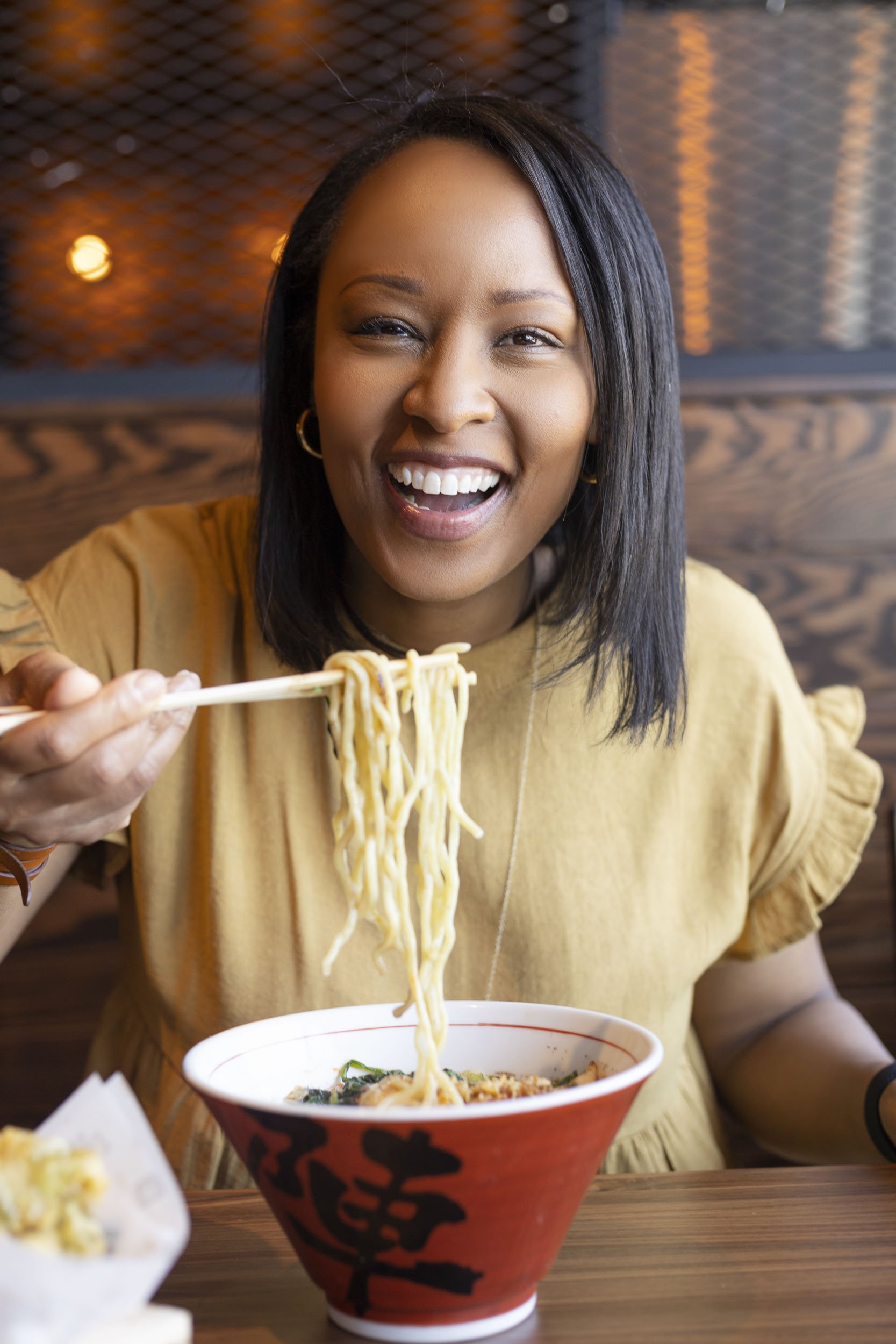
 1
1Itton Ramen & Japanese Street Food
Itton Ramen & Japanese Street Food, out in Minneapolis, is our top pick — rated 5.0 out of 5 from 2,139 reviews.
Every ramen restaurant we track that matches this, ranked by rating and review volume. Search by name or city, or switch to the map.
250 ramen restaurants on this page
250 ramen restaurants
1Itton Ramen & Japanese Street Food, out in Minneapolis, is our top pick — rated 5.0 out of 5 from 2,139 reviews.
 2
2Tamago Sushi and Bowl, in Macomb, is next up, rated 5.0 out of 5 from 387 reviews.
 3
33456tea, in Aurora, is next up, rated 5.0 out of 5 from 360 reviews.
Ramen Gear
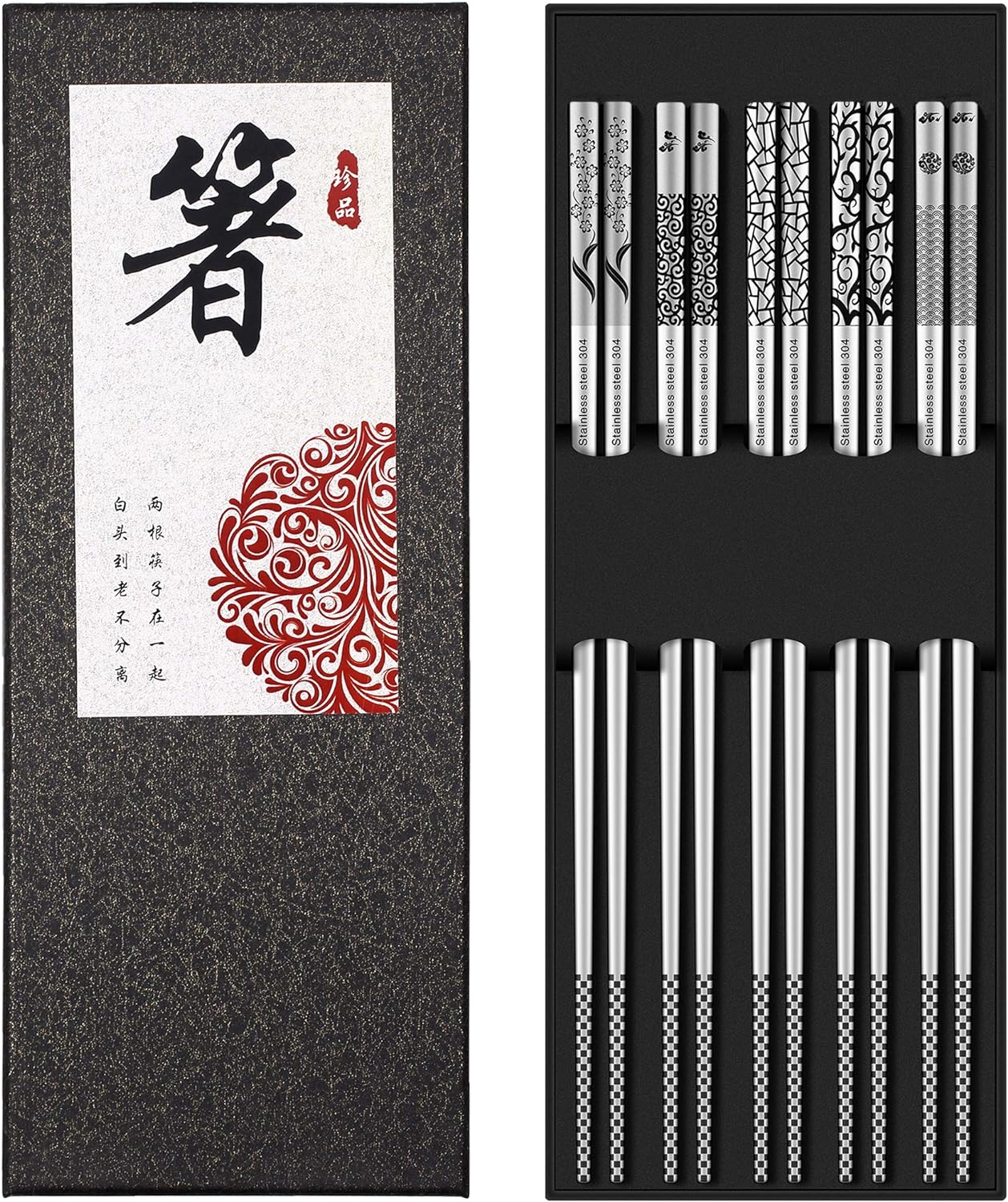 Best Seller
 Top Rated
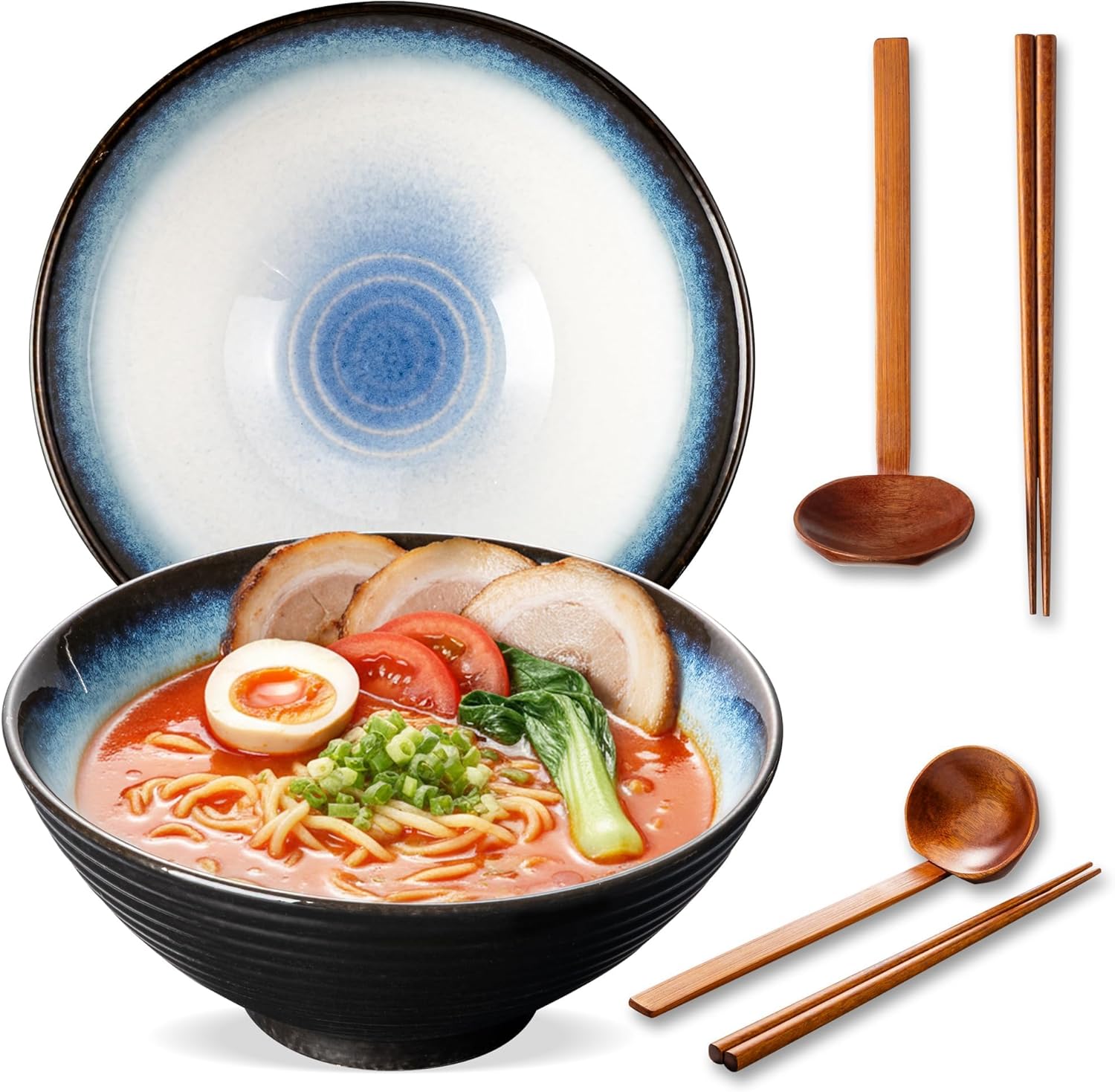 Staff Pick
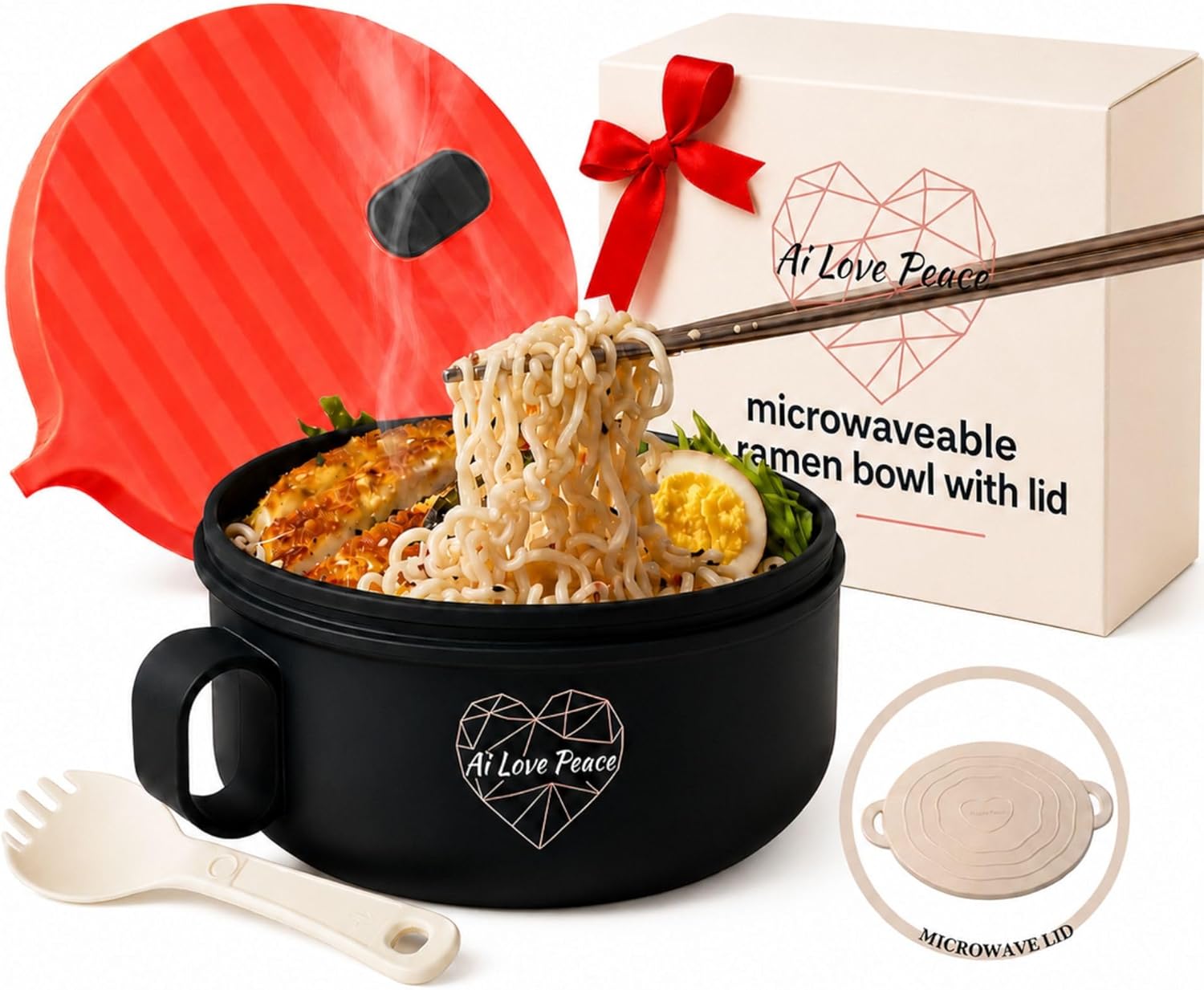 Best for Travel
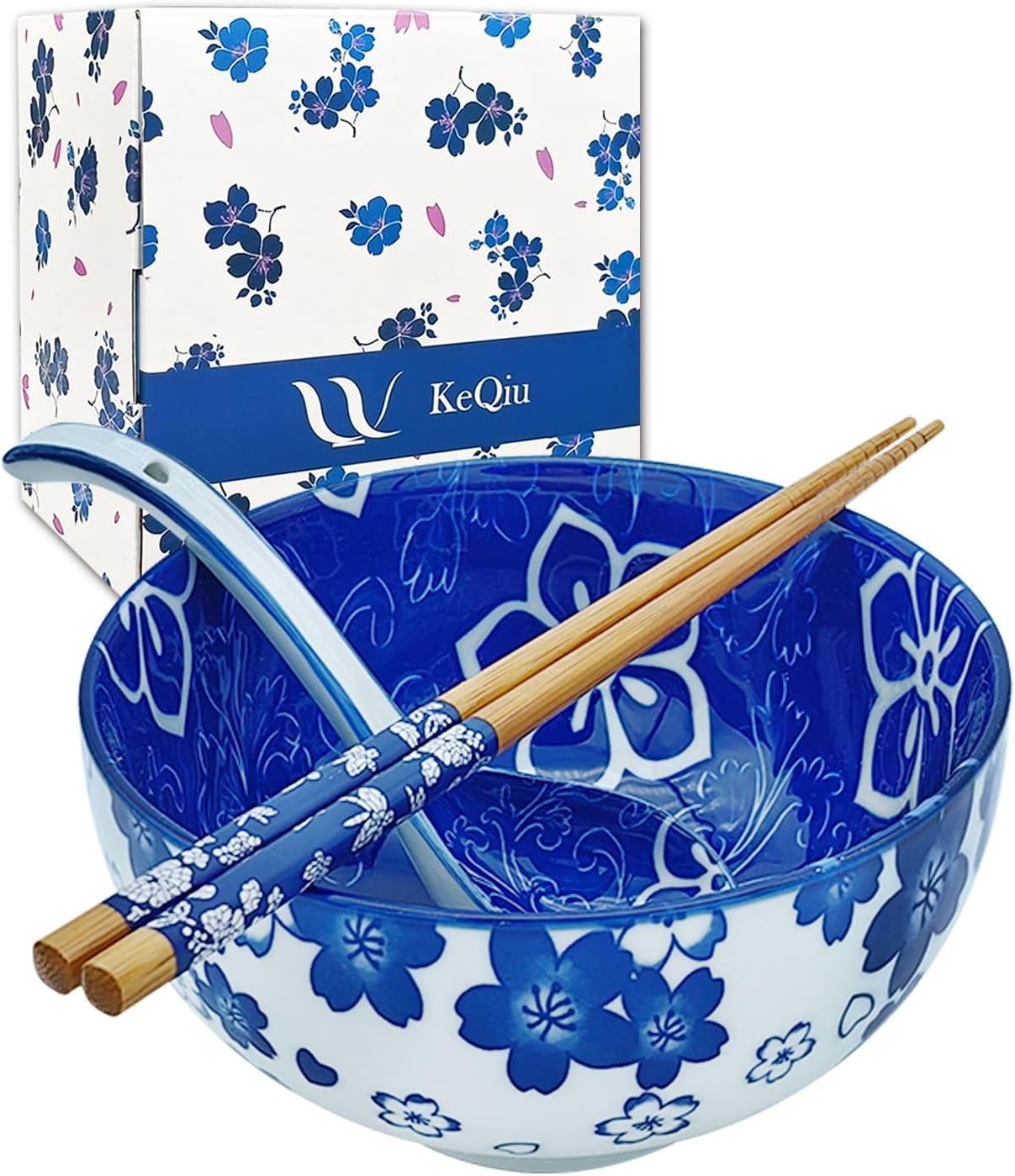 Gift Ready
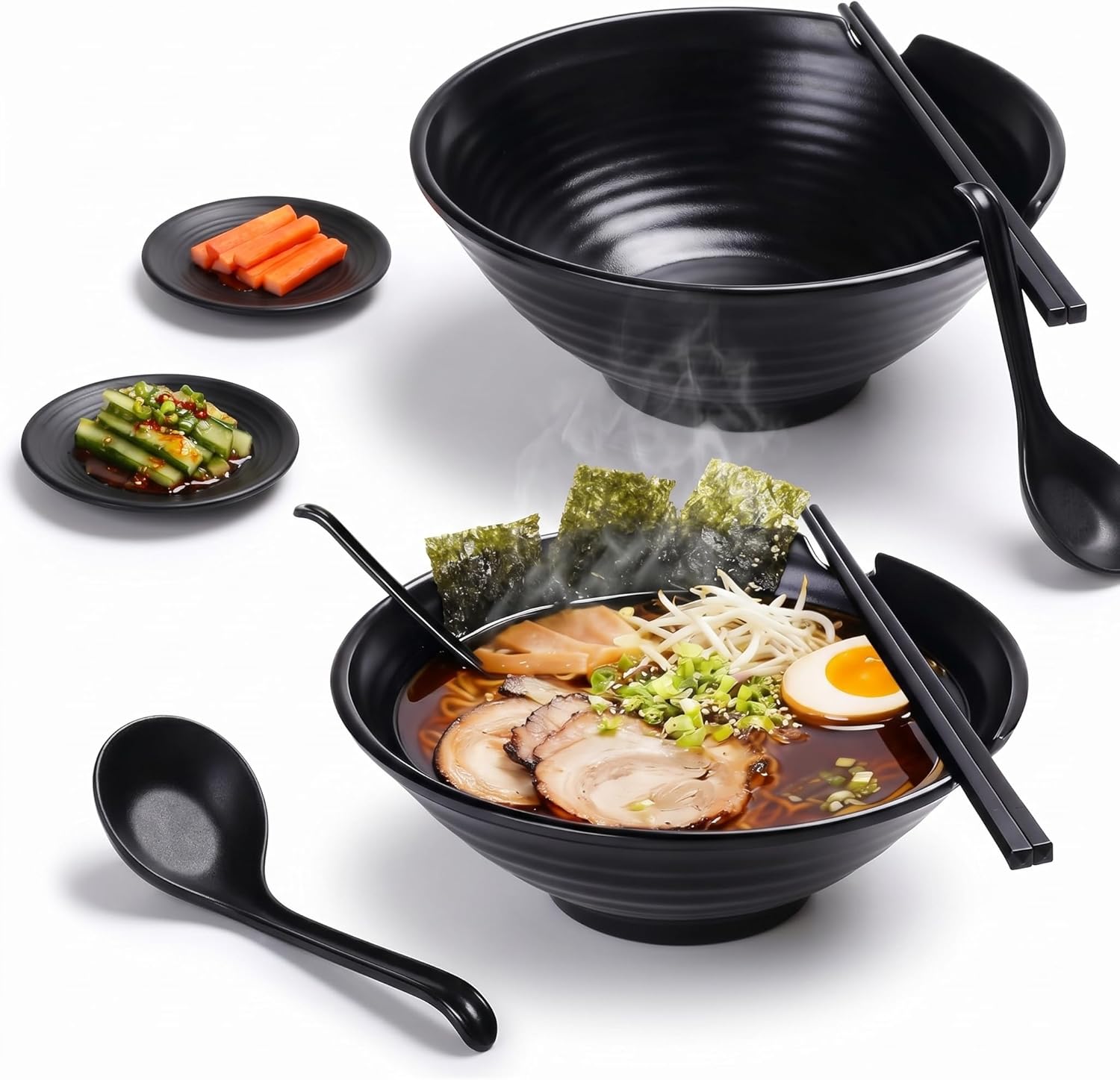 Shatter-Proof
* Affiliate links — we may earn a small commission at no extra cost to you.
 4
4With 5 stars. Yum Noodles is a top-rated restaurant in Merrillville.
 5
5Zen's Sushi Express, in Geneva, is next up, rated 5.0 out of 5 from 282 reviews.
 6
6Obento, in Murfreesboro, is next up, rated 5.0 out of 5 from 239 reviews.
 7
7Cup of Canton, in Canton, is next up, rated 5.0 out of 5 from 198 reviews.
 8
8Pho & Food To Go, in Jacksonville, is next up, rated 5.0 out of 5 from 185 reviews.
 9
9Taichi bubble tea jackson, in Jackson, is next up, rated 5.0 out of 5 from 175 reviews.
 10
10DevilMunchiesLAB, in Denver, is next up, rated 5.0 out of 5 from 173 reviews.
 11
11Kaiju Kitchen, in St Albans City, is next up, rated 5.0 out of 5 from 171 reviews.
 12
12Curry Leaf, in Montpelier, is next up, rated 5.0 out of 5 from 138 reviews.
 13
13Kawaii Konbini, in Longmont, is next up, rated 5.0 out of 5 from 120 reviews.
 14
14SEN, in Stanwood, is next up, rated 5.0 out of 5 from 119 reviews.
 15
15Yatai Asian Kitchen, in Strasburg, is next up, rated 5.0 out of 5 from 112 reviews.
 16
16The Spot Co, in Lakewood, is next up, rated 5.0 out of 5 from 107 reviews.
 17
17Yanagi Sushi & Ramen is a ramen restaurant in Long Island City, NY.
 18
18THAI BANGKOK RESTAURANT, in Monte Vista, is next up, rated 5.0 out of 5 from 105 reviews.
 19
19UNIKOKO Dessert & Bubble Tea, in Woodridge, is next up, rated 5.0 out of 5 from 98 reviews.
 20
20With 5.0 stars and 94 reviews, Hinode Izakaya is a popular ramen destination in Katy, Texas. Highlights include delivery.
 21
21Pho Hoa Vietnamese restaurant, in Waianae, is next up, rated 5.0 out of 5 from 94 reviews.
 22
22Rising Tide Poke, in Kapaau, is next up, rated 5.0 out of 5 from 73 reviews.
 23
23Aji Ramen, in Waipahu, is next up, rated 5.0 out of 5 from 65 reviews.
 24
24Sang's Kitchen Schaumburg IL, in Schaumburg, is next up, rated 5.0 out of 5 from 61 reviews.
 25
25Ninja Ramen Mobile, in Denver, is next up, rated 5.0 out of 5 from 59 reviews.
 26
26Mount Fuji is a ramen restaurant in Franklin Square, NY.
 27
27Hokus Food Truck, in Waimea, is next up, rated 5.0 out of 5 from 52 reviews.
 28
28Shio Sushi, in Sumner, is next up, rated 5.0 out of 5 from 49 reviews.
 29
29Kai K Food, in Honolulu, is next up, rated 5.0 out of 5 from 49 reviews.
 30
30E&S Island Fusion, in Waianae, is next up, rated 5.0 out of 5 from 49 reviews.
 31
31MO-MO MAGIC, in Greenville, is next up, rated 5.0 out of 5 from 48 reviews.
 32
32Mohmoh’s Laos Thai cuisine and Boba, in Cleveland, is next up, rated 5.0 out of 5 from 45 reviews.
 33
33Guay Tiew - Thai Street Noodle Soup, in Portland, is next up, rated 5.0 out of 5 from 40 reviews.
 34
34Sushi spot LLC, in St Clair Shores, is next up, rated 5.0 out of 5 from 38 reviews.
 35
35Yummy Thai Food Truck - Salida, in Salida, is next up, rated 5.0 out of 5 from 38 reviews.
 36
36Salt + Lite, in Troy, is next up, rated 5.0 out of 5 from 37 reviews.
 37
37Mae Phikul Thai, in Longview, is next up, rated 5.0 out of 5 from 35 reviews.
 38
38Baka Umai Ramen Den, in Portland, is next up, rated 5.0 out of 5 from 34 reviews.
 39
39Tani Sushi and Japanese Cuisine, in Phoenix, is next up, rated 5.0 out of 5 from 34 reviews.
 40
40Megumi Hibachi & Sushi, in Skiatook, is next up, rated 5.0 out of 5 from 34 reviews.
 41
41Pho 828, in Marion, is next up, rated 5.0 out of 5 from 33 reviews.
 42
42Denya Ramen, in San Francisco, is next up, rated 5.0 out of 5 from 30 reviews.
 43
43MooDeng Cafe Sushi Bar, in Chicago, is next up, rated 5.0 out of 5 from 30 reviews.
 44
44Hero Sushi & Grocery, in Middlebury, is next up, rated 5.0 out of 5 from 27 reviews.
 45
45New York Gimbap, in Portland, is next up, rated 5.0 out of 5 from 26 reviews.
 46
46Winner Hibachi & Ramen, in Beaverton, is next up, rated 5.0 out of 5 from 25 reviews.
 47
47Rice,Roots & Rolls-An Asian Kitchen, in Spring Lake, is next up, rated 5.0 out of 5 from 24 reviews.
 48
48Corner Treestone Kitchen, in Hickory, is next up, rated 5.0 out of 5 from 24 reviews.
 49
49Willy's of Oceanside, in Oceanside, is next up, rated 5.0 out of 5 from 24 reviews.
 50
50Rolls & Bowls Asian Cuisine, in Kentwood, is next up, rated 5.0 out of 5 from 23 reviews.
 51
51Volcano sushi, in Vail, is next up, rated 5.0 out of 5 from 22 reviews.
 52
52Kumakatsu, in St Helens, is next up, rated 5.0 out of 5 from 22 reviews.
 53
53Tamashii Ramen House, in Oklahoma City, is next up, rated 5.0 out of 5 from 20 reviews.
With 5.0 stars and 19 reviews, Red Wolf Ramen is a popular ramen destination in Opelika, Alabama.
 55
55Trie Chada Authentic Thai Cuisine and Asian fusion, in Livonia, is next up, rated 5.0 out of 5 from 19 reviews.
 56
56Rust Belt Ramen, in Albion, is next up, rated 5.0 out of 5 from 16 reviews.
 57
57Sushi Mikado, in Gladstone, is next up, rated 5.0 out of 5 from 16 reviews.
 58
58Sabal Rice & Noodles, in Honolulu, is next up, rated 5.0 out of 5 from 14 reviews.
 59
59Asian Taste, in Vinita, is next up, rated 5.0 out of 5 from 11 reviews.
 60
60One of Sacramento's highest-rated ramen spots, Ten Seconds Yunnan Rice Noodle Sacramento 十秒到云南过桥米线 earns its 5.0-star reputation across 10 reviews. Offering delivery, it's a versatile spot for ramen lovers in Sacramento.
 61
61Kasabi Canton Japanese Hibachi Sushi and Ramen, in Canton, is next up, rated 5.0 out of 5 from 10 reviews.
 62
62MAHALO NOODLE (Okinawa Soba ) マハロヌードル, in Honolulu, is next up, rated 5.0 out of 5 from 10 reviews.
 63
63A ramen bar destination in Covington with a menu built around comfort and flavor. Guests enjoy a curated sake and cocktail menu.
 64
64kinlin ramen sushi Teriyaki, in Watertown, is next up, rated 5.0 out of 5 from 9 reviews.
 65
65Thai Noodle Papaya, in La Vergne, is next up, rated 5.0 out of 5 from 8 reviews.
 66
66Tap Tea Bar Wrightsville Beach, in Wrightsville Beach, is next up, rated 5.0 out of 5 from 8 reviews.
 67
67A neighborhood ramen cafe in Duluth serving a concise menu of classic ramen bowls at friendly prices. A cozy stop for a quick, satisfying noodle fix.
 68
68One of Sacramento's highest-rated ramen spots, E Ramen earns its 5.0-star reputation across 7 reviews. Offering delivery, it's a versatile spot for ramen lovers in Sacramento.
 69
69Bento Konbini MNG, in Warren, is next up, rated 5.0 out of 5 from 7 reviews.
 70
70banh mi & more at fatly, in Yakima, is next up, rated 5.0 out of 5 from 7 reviews.
 71
71With 5.0 stars and 6 reviews, The Depot Ramen is a popular ramen destination in Jamestown, North Dakota. Highlights include delivery.
 72
72Patchwork, in Inola, is next up, rated 5.0 out of 5 from 6 reviews.
Dalat - Streets of Vietnam, in Burlington, is next up, rated 5.0 out of 5 from 5 reviews.
 74
74S.E.A Dinette by Sushi Maru, in Middlebury, is next up, rated 5.0 out of 5 from 5 reviews.
 75
75Jin 28 Express, in Highland Park, is next up, rated 5.0 out of 5 from 5 reviews.
 76
76Jeong’s Noodle Naperville 정현영 짬뽕, in Naperville, is next up, rated 5.0 out of 5 from 5 reviews.
 77
77Thai Paradise, in Cordova, is next up, rated 5.0 out of 5 from 4 reviews.
SHINJUKU STATION REVOLVING SUSHI BAR, in Winston-Salem, is next up, rated 5.0 out of 5 from 4 reviews.
 79
79Aroi Desu, in Mercer Island, is next up, rated 5.0 out of 5 from 4 reviews.
 80
80Miso Toh Kome, in Jay, is next up, rated 5.0 out of 5 from 4 reviews.
 81
81With 5 stars. Northside Noodles is a top-rated asian restaurant in Terre Haute.
 82
82With 5 stars, Zen Curry East is a top-rated restaurant in Las Vegas.
 83
83Moderately priced Japanese destination in Atlanta offering a wide selection of ramen styles. Features vegan-friendly options.
 84
84Alulla Hibachi on wheels, in Dyersburg, is next up, rated 5.0 out of 5 from 3 reviews.
 85
85Green Mountain Potstickers Food Cart, in Burlington, is next up, rated 5.0 out of 5 from 3 reviews.
 86
86Tabe Sushi & Oishi Ramen, in Madison Heights, is next up, rated 5.0 out of 5 from 2 reviews.
 87
87Japanese & American Bistro LLC, in Wyandotte, is next up, rated 5.0 out of 5 from 1 reviews.
 88
88ZENSHI Handcrafted Sushi, in Gig Harbor, is next up, rated 5.0 out of 5 from 1 reviews.
 89
89Tucked into Atlanta, Pelicana Chicken Atlanta is a celebrated Korean shop offering a satisfying lineup of noodle bowls. Highlights include a curated sake and cocktail menu.
 90
90Hawkers Asian Street Food, in Nashville, is next up, rated 4.9 out of 5 from 10,046 reviews.
 91
91With 4.9 stars, JINYA Ramen Bar - Woodlands stands out as one of the top-rated Japanese spot in Spring delivering consistently satisfying ramen. Come for vegan-friendly options, stay for a curated sake and cocktail menu.
 92
92A Japanese destination in Cypress with a menu built around comfort and flavor. Guests enjoy vegan-friendly options and a curated sake and cocktail menu.
 93
93JINYA Ramen Bar - Heights Waterworks is a standout Japanese restaurant in Houston with a menu of classic and creative ramen bowls. Known for vegan-friendly options.
 94
94Moderately priced Japanese destination in Pearland offering a wide selection of ramen styles. Features vegan-friendly options.
 95
95Casual eatery offering a familiar selection of homestyle Asian dishes & desserts, plus bubble tea.
 96
96Tucked into Sugar Land, JINYA Ramen Bar - Sugar Land is one of the top-rated Japanese shop offering a satisfying lineup of noodle bowls. Highlights include vegan-friendly options.
 97
97Sozai Japanese Restaurant is a ramen restaurant in New York, NY.
 98
98With 4.9 stars and 3,867 reviews, JINYA Ramen Bar - Carrollton is a popular ramen destination in Carrollton, Texas. Highlights include vegan-friendly options, vegetarian options, delivery, outdoor seating, a full bar, mid-range pricing.
 99
99A celebrated Japanese spot in Houston serving a rotating menu of ramen styles. Offers vegan-friendly options and a curated sake and cocktail menu.
 100
100Itton Ramen, in Minneapolis, is next up, rated 4.9 out of 5 from 2,904 reviews.
 101
101With 4.9 stars. JINYA Ramen Bar - South Bend is a top-rated restaurant in South Bend. offering vegan-friendly options, a full bar.
 102
102107 Taste Asian Restaurant Coral Gables, in Coral Gables, is next up, rated 4.9 out of 5 from 2,300 reviews.
 103
103Mi Kitchen, in Franklin, is next up, rated 4.9 out of 5 from 1,725 reviews.
 104
104107 Taste Asian Restaurant South Miami, in South Miami, is next up, rated 4.9 out of 5 from 1,290 reviews.
 105
105WOW TERIYAKI, in Lynnwood, is next up, rated 4.9 out of 5 from 1,254 reviews.
 106
106Yoshi Ramen, in Tega Cay, is next up, rated 4.9 out of 5 from 1,154 reviews.
 107
107REDWHITE BONELESS RAMEN is a ramen restaurant serving the Los Angeles area.
 108
108With 4.9 stars. Haru Sushi Izakaya is a top-rated japanese restaurant in Fort Wayne. offering vegan-friendly options, a full bar.
 109
109REDWHITE BONELESS RAMEN is a ramen restaurant serving the Studio City area.
 110
110Gen Sushi, in Battle Ground, is next up, rated 4.9 out of 5 from 836 reviews.
 111
111Plant-based Japanese entrees, appetizers & sushi offered in a relaxed counter-service locale.
 112
112Hachiya Ramen - Mt. Pleasant, in Mt Pleasant, is next up, rated 4.9 out of 5 from 510 reviews.
 113
113A standout Japanese spot in Marietta serving a rotating menu of ramen styles. Offers a curated sake and cocktail menu and delivery.
 114
114Tucked into Duluth, Ramyun Gallery - Duluth is one of the top-rated Korean shop offering a satisfying lineup of noodle bowls. Highlights include a curated sake and cocktail menu.
 115
115With 4.9 stars and 378 reviews, Fuji Ramen is a popular ramen destination in Avon, Indiana. Highlights include vegan-friendly options, vegetarian options, a full bar.
 116
116HINODEYA Ramen & Bar Little Tokyo is a ramen restaurant serving the Los Angeles area.
 117
117With 4.9 stars, Ramen Studio stands out as a celebrated ramen spot in Sugar Hill delivering consistently satisfying ramen. Come for delivery.
 118
118 119
119Moxies Washington DC Restaurant is a ramen restaurant in Washington, DC.
 120
120Formosa Street Food & Bar 福爾摩沙居酒屋, in Oklahoma City, is next up, rated 4.9 out of 5 from 323 reviews.
 121
121Noodle•ology, in Edmond, is next up, rated 4.9 out of 5 from 317 reviews.
 122
122FuruSato Bento, in Columbia, is next up, rated 4.9 out of 5 from 314 reviews.
 123
123With 4.9 stars, Izakaya Shun is a top-rated japanese restaurant in Las Vegas. offering a full bar, reservations accepted.
 124
124A Japanese destination in Lawrenceville offering a wide selection of ramen styles. Features vegan-friendly options.
 125
125With 4.9 stars. TASTY OISHI is a top-rated asian restaurant in Brownsburg. offering reservations accepted.
 126
126With 4.9 stars, Yoshiya Japanese Kitchen is a top-rated japanese restaurant in Henderson.
 127
127Cafe Oriental, in Miami, is next up, rated 4.9 out of 5 from 241 reviews.
 128
128Sarom’s Cafe, in Winooski, is next up, rated 4.9 out of 5 from 237 reviews.
 129
129Morning Light Bakery, in Winooski, is next up, rated 4.9 out of 5 from 236 reviews.
 130
130With 4.9 stars. Rice & Noodle Thai Street Food (Take Out Only) is a top-rated thai restaurant in Lafayette. offering vegan-friendly options.
 131
131Poke Frisee is a ramen restaurant in Rockville Centre, NY.
 132
132With 4.9 stars. Bento bowls is a top-rated restaurant in Valparaiso. offering vegan-friendly options.
 133
133Jeab's Thai Food @Sidney MT., in Sidney, is next up, rated 4.9 out of 5 from 208 reviews.
 134
134Hugkan, in Bozeman, is next up, rated 4.9 out of 5 from 194 reviews.
 135
135Ramen Satto, in Rapid City, is next up, rated 4.9 out of 5 from 186 reviews.
 136
136With 4.9 stars and 177 reviews, Aloha Ramen House is a popular ramen destination in Madison, Alabama. Highlights include vegetarian options, delivery, mid-range pricing.
 137
137Mt Fuji Sushi & Asian Cuisine, in Bixby, is next up, rated 4.9 out of 5 from 175 reviews.
 138
138Frankie Ramen at Silver Dollar, in Charleston, is next up, rated 4.9 out of 5 from 164 reviews.
 139
139With 4.9 stars and 158 reviews, Enerugi Ramen is a popular ramen destination in Brooklyn, New York. Highlights include vegetarian options, delivery, a full bar.
 140
140 141
141Sila Thai Cuisine, in Leavenworth, is next up, rated 4.9 out of 5 from 135 reviews.
 142
142Hanami Ramen is a ramen restaurant in Flushing, NY.
 143
143With 4.9 stars and 97 reviews, Mukgo Nolza Asian Restaurant & Karaoke Bar is a popular ramen destination in Las Vegas, Nevada. Highlights include delivery, a full bar.
 144
144Big Sky Noodles, in Big Sky, is next up, rated 4.9 out of 5 from 89 reviews.
 145
145Thai & Burmese Deli, in Aberdeen, is next up, rated 4.9 out of 5 from 88 reviews.
 146
146Sugakaya Ramen & Tonkatsu - StreetMaster is a ramen restaurant in Middletown, NY.
 147
147Dumpling Ramen Eatery is a ramen restaurant in Buffalo, NY.
 148
148Bloomte, in Miami, is next up, rated 4.9 out of 5 from 60 reviews.
 149
149One of Sacramento's highest-rated ramen spots, Karai Sushi Spicy Noodle Teriyaki earns its 4.9-star reputation across 57 reviews.
 150
150Robata JINYA - Hollywood is a ramen restaurant serving the Los Angeles area.
 151
151With 4.9 stars, Korean Balance is a top-rated korean restaurant in Spring Creek. offering reservations accepted.
 152
152Mabuhay Philippines Cuisine, in Colstrip, is next up, rated 4.9 out of 5 from 15 reviews.
 153
153Relaxed outpost featuring an expansive menu of sushi & other Japanese dishes in a trendy space.
 154
154Pink Tiger on the Wharf is a ramen restaurant in Washington, DC.
 155
155With 4.8 stars and 3,801 reviews, JINYA Ramen Bar - Arlington is a popular ramen destination in Arlington, Virginia. Highlights include vegan-friendly options, vegetarian options, delivery, outdoor seating, a full bar, mid-range pricing.
 156
156Trendy modern pit stop for creative Pan-Asian fusion fare with bubble teas, shakes, beer & wine.
 157
157With 4.8 stars, Ramen Aku is a top-rated restaurant in Las Vegas. offering vegan-friendly options, a full bar.
 158
158107 Taste Asian Restaurant Brickell, in Miami, is next up, rated 4.8 out of 5 from 1,545 reviews.
 159
159Intimate eatery offering a variety of yakitori-style grilled meats & other Japanese food, plus sake.
 160
160Informal restaurant turning out classic Japanese noodle soups along with sake & beer.
 161
161JINYA Ramen Bar - Union Market is a ramen restaurant in Washington, DC.
 162
162Asian-fusion eatery offering tacos, burritos & other dishes made with Korean & Mexican ingredients.
 163
163First Meeting Noodle, in Rochester, is next up, rated 4.8 out of 5 from 840 reviews.
 164
164Zen Ramen & Sushi Burrito, in Greenville, is next up, rated 4.8 out of 5 from 725 reviews.
 165
165Downtown Sushi Hibachi & Grill, in Watertown, is next up, rated 4.8 out of 5 from 622 reviews.
 166
166With 4.8 stars and 621 reviews, Sakuratani Ramen & Izakaya is a popular ramen destination in Bristol, Rhode Island. Highlights include vegan-friendly options, vegetarian options, delivery, a full bar, mid-range pricing.
 167
167Samurai, in Billings, is next up, rated 4.8 out of 5 from 543 reviews.
 168
168With 4.8 stars and 448 reviews, Happy Sushi SF is a popular ramen destination in Spanish Fort, Alabama. Highlights include delivery, a full bar.
 169
169Fuji Spearfish Japanese restaurant, in Spearfish, is next up, rated 4.8 out of 5 from 414 reviews.
 170
170With 4.8 stars and 402 reviews, R&B Ramen N Bao is a popular ramen destination in Oxford, Connecticut. Highlights include vegan-friendly options, vegetarian options, delivery, mid-range pricing.
 171
171Tokyo Sushi Steak House, in Rapid City, is next up, rated 4.8 out of 5 from 396 reviews.
 172
172With 4.8 stars and 393 reviews, Noodle House is a popular ramen destination in Chalfont, Pennsylvania. Highlights include vegetarian options, delivery, mid-range pricing.
 173
173With 4.8 stars and 389 reviews, Sticks & Spoons Ramen Bar is a popular ramen destination in Roanoke, Virginia. Highlights include vegan-friendly options, vegetarian options, delivery.
 174
174Tiki Garden Thai Street Food DC is a ramen restaurant in Washington, DC.
 175
175MontAsia, in Fishtail, is next up, rated 4.8 out of 5 from 352 reviews.
 176
176JINYA Ramen Bar - Georgetown is a ramen restaurant in Washington, DC.
 177
177 178
178With 4.8 stars and 261 reviews, Lucky Pot at Auburn is a popular ramen destination in Auburn, Alabama. Highlights include vegetarian options, delivery, mid-range pricing.
 179
179ORYZA POKE & RAMEN, in Eagan, is next up, rated 4.8 out of 5 from 232 reviews.
 180
180Saigon House Vietnamese Restaurant, in Aberdeen, is next up, rated 4.8 out of 5 from 193 reviews.
 181
181With 4.8 stars and 183 reviews, Yido Ramen and Sushi Alexandria is a popular ramen destination in Alexandria, Virginia. Highlights include vegetarian options, delivery, a full bar.
 182
182Asian Mix LLC, in Dillon, is next up, rated 4.8 out of 5 from 142 reviews.
 183
183With 4.8 stars and 141 reviews, Hawaiian BBQ Ramen & Poke is a popular ramen destination in Prattville, Alabama. Highlights include vegetarian options, delivery, mid-range pricing.
 184
184Tokyo Sushi & Hibachi, in Huron, is next up, rated 4.8 out of 5 from 120 reviews.
 185186
I-Chi Mein - Chinese Restaurant & Asian Noodles, in Rochester, is next up, rated 4.8 out of 5 from 101 reviews.
 187
187Aiko's, in Missoula, is next up, rated 4.8 out of 5 from 84 reviews.
 188
188Sushi UNI, in Lenexa, is next up, rated 4.7 out of 5 from 2,708 reviews.
 189
189Zen Ramen and Sushi Burrito in Clemson, in Clemson, is next up, rated 4.7 out of 5 from 1,795 reviews.
 190
190Sophisticated pub serving Korean eats with a contemporary twist, including bibimbap & kimchi nachos.
 191
191With 4.7 stars and 1,478 reviews, KC Craft Ramen is a popular ramen destination in Overland Park, Kansas. Highlights include vegan-friendly options, vegetarian options, delivery, a full bar, mid-range pricing.
 192
192Established eatery with a sushi bar offering common Japanese dishes in a cozy, laid-back atmosphere.
 193
193Tsujita NJ Artisan Noodle is a celebrated Japanese restaurant in Fort Lee with a menu of classic and creative ramen bowls. Known for vegan-friendly options.
 194
194Hokkaido Ramen House - Aksarben, in Lenexa, is next up, rated 4.7 out of 5 from 1,049 reviews.
 195
195Booths & art line this buzzy, airy outpost in a strip mall specializing in ramen, buns & dumplings.
 196
196The chefs at this casual restaurant hail from Kumamoto & prepare a range of traditional ramen.
197Naree Kitchen Thai & Sushi, in Kansas City, is next up, rated 4.7 out of 5 from 843 reviews.
 198
198With 4.7 stars and 836 reviews, Kamado Ramen is a popular ramen destination in Huntsville, Alabama. Highlights include vegan-friendly options, vegetarian options, delivery, outdoor seating, a full bar, mid-range pricing.
 199
199Cozy, family-owned izakaya providing ramen & other Japanese bites along with a large sake selection.
200OMO Japanese Ramen Sushi, in Kansas City, is next up, rated 4.7 out of 5 from 703 reviews.
 201
201Jumbo Noodles Bar, in Kansas City, is next up, rated 4.7 out of 5 from 666 reviews.
202Hawaii Poke Bowl, in Eagan, is next up, rated 4.7 out of 5 from 561 reviews.
203Gyu-Mai Japanese BBQ, in Minnetonka, is next up, rated 4.7 out of 5 from 517 reviews.
 204
204With 4.7 stars and 487 reviews, Ninja Ramen is a popular ramen destination in York, Pennsylvania. Highlights include vegan-friendly options, vegetarian options, delivery, budget-friendly pricing.
:max_bytes(150000):strip_icc()/21187-ramen-noodle-soup-DDMFS-202-4x3-beauty--56b4542883b644b2a574a196e3322e0c.jpg) 205
205Kataki Sushi & Ramen, in Minneapolis, is next up, rated 4.7 out of 5 from 474 reviews.
206Haiku Izakaya & Ramen, in Woodbury, is next up, rated 4.7 out of 5 from 442 reviews.
 207
207With 4.7 stars and 433 reviews, Ebisu East Providence is a popular ramen destination in East Providence, Rhode Island. Highlights include vegan-friendly options, vegetarian options, delivery, a full bar, mid-range pricing.
 208
208Saint Sushi and sake, in Leavenworth, is next up, rated 4.7 out of 5 from 428 reviews.
 209
209With 4.7 stars and 375 reviews, wasabi japanese sushi and bar is a popular ramen destination in Alabaster, Alabama. Highlights include vegetarian options, delivery, a full bar, mid-range pricing.
 210
210With 4.7 stars and 246 reviews, X Ramen is a popular ramen destination in Southport, Connecticut. Highlights include vegetarian options, delivery, a full bar, mid-range pricing.
 211
211With 4.7 stars and 198 reviews, Kajiken Alexandria is a popular ramen destination in Alexandria, Virginia. Highlights include vegetarian options, delivery.
 212
212With 4.7 stars and 174 reviews, Mizu No Kaori is a popular ramen destination in Columbus, Ohio. Highlights include vegan-friendly options, vegetarian options.
 213
213With 4.7 stars and 172 reviews, Megumi Sushi Ramen Grill is a popular ramen destination in Hamilton, Ohio. Highlights include vegan-friendly options, vegetarian options, delivery, a full bar.
 214
214With 4.7 stars and 168 reviews, Nara Ramen is a popular ramen destination in Findlay, Ohio. Highlights include vegetarian options, mid-range pricing.
 215
215With 4.7 stars and 108 reviews, New Wave Kitchen Ramen & Sake Bar is a popular ramen destination in South Kingstown, Rhode Island. Highlights include vegan-friendly options, vegetarian options, outdoor seating, a full bar, mid-range pricing.
 216
216 217
217Straightforward Asian restaurant serving hearty bowls of ramen noodle soup.
 218
218Ramen, rice bowls & sushi are the focus of this petite Asian restaurant with TVs & a casual vibe.
 219
219Japanese eatery providing various types of ramen in a cozy, wood-lined space with traditional decor.
 220
220Budget-friendly Asian destination in Orem offering a wide selection of ramen styles. Features vegan-friendly options.
 221
221Lighthearted cafe serving tapas, ramen, seafood & drinks in casual, spirited quarters.
 222
222Traditional ramen with homemade noodles & other Japanese eats are the draw at this casual eatery.
 223
223Japanese noodle soups & crisp-skinned dumplings served in a modern storefront setting.
 224
224Understated restaurant offering traditional dishes, including sushi, ramen bowls & dumplings.
 225
225Kumo Japan of White Hall, in Fairmont, is next up, rated 4.6 out of 5 from 544 reviews.
 226
226With 4.6 stars and 516 reviews, Asoul Ramen is a popular ramen destination in Camp Hill, Pennsylvania. Highlights include vegan-friendly options, vegetarian options, delivery, a full bar, mid-range pricing.
 227
227With 4.6 stars and 473 reviews, Kaliubon Ramen & Sushi (West Hartford) is a popular ramen destination in West Hartford, Connecticut. Highlights include vegan-friendly options, vegetarian options, delivery, outdoor seating, a full bar, mid-range pricing.
 228
228Easygoing fixture plating Asian eats & specializing in classic ramen soup bowls made from scratch.
 229
229With 4.6 stars and 406 reviews, Gin Ramen & Asian Tapas is a popular ramen destination in Alexandria, Virginia. Highlights include vegan-friendly options, vegetarian options, delivery, a full bar, mid-range pricing.
 230
230Moderately priced ramen destination in Fort Lee offering a wide selection of ramen styles. Features outdoor seating.
 231
231Osaka Japan Ramen Sushi & Hibachi, in Weirton, is next up, rated 4.6 out of 5 from 139 reviews.
 232
232With 4.6 stars and 19 reviews, Phed Phed is a popular ramen destination in Providence, Rhode Island. Highlights include vegan-friendly options, vegetarian options, delivery, a full bar.
 233
233Restaurant serving ramen with homemade broth plus small plates & sake drinks.
 234
234With 4.5 stars and 777 reviews, Mẹcha Noodle Bar is a popular ramen destination in West Hartford, Connecticut. Highlights include delivery, mid-range pricing.
 235
235Homey neighborhood cafe offering Japanese standards, like hearty noodle soups & curry rice dishes.
 236
236With 4.5 stars and 421 reviews, Muteki Ramen is a popular ramen destination in Hoboken, New Jersey. Highlights include vegetarian options, delivery, outdoor seating, mid-range pricing.
 237
237With 4.5 stars and 400 reviews, Noodle Revolution is a popular ramen destination in Westerly, Rhode Island. Highlights include vegan-friendly options, vegetarian options, delivery, outdoor seating, mid-range pricing.
 238
238With 4.5 stars and 374 reviews, Ramen&Boba Hero is a popular ramen destination in Eagle Mountain, Utah. Highlights include vegan-friendly options, vegetarian options, delivery, a full bar, mid-range pricing.
 239
239With 4.5 stars and 237 reviews, Ramen Hachi is a popular ramen destination in Oxford, Ohio. Highlights include vegetarian options, delivery, outdoor seating, mid-range pricing.
 240
240With 4.5 stars and 235 reviews, Sakai Ramen Secaucus is a popular ramen destination in Secaucus, New Jersey. Highlights include vegan-friendly options, vegetarian options, outdoor seating.
 241
241With 4.5 stars and 153 reviews, KAWA RAMEN HOUSE is a popular ramen destination in New Providence, New Jersey. Highlights include vegan-friendly options, vegetarian options, delivery, mid-range pricing.
 242
242Wheeling Noods Ramen Bar, in Wheeling, is next up, rated 4.5 out of 5 from 130 reviews.
 243
243With 4.4 stars and 447 reviews, Kyuramen x TBaar - Strongsville is a popular ramen destination in Strongsville, Ohio. Highlights include vegetarian options, outdoor seating, a full bar, mid-range pricing.
 244
244With 4.4 stars and 283 reviews, Kiwami Ramen is a popular ramen destination in Louisville, Kentucky. Highlights include vegan-friendly options, vegetarian options, delivery, a full bar, mid-range pricing.
 245
245With 4.4 stars and 54 reviews, Hakata Ramen Restaurant is a popular ramen destination in Springville, Utah.
 246
246Hip locale with communal seating for ramen, katsu, tempura, wings & other cooked Japanese fare.
 247
247With 4.3 stars and 113 reviews, Oishii Ramen is a popular ramen destination in Louisville, Kentucky. Highlights include delivery, mid-range pricing.
 248
248With 4.2 stars and 234 reviews, Ume Craft Ramen is a popular ramen destination in Lexington, Kentucky. Highlights include vegan-friendly options, vegetarian options, delivery, a full bar, mid-range pricing.
 249
249With 4.1 stars and 367 reviews, Rakkii Ramen is a popular ramen destination in Doylestown, Pennsylvania. Highlights include vegetarian options, delivery, outdoor seating, a full bar, mid-range pricing.
 250
250Zen Noodle, in Charles Town, is next up, rated 1.6 out of 5 from 29 reviews.
A curated PDF you can keep on your phone — everything worth eating, hand-picked and written up by us. Delivered to your inbox after checkout.
Secure checkout via Stripe. We'll email your guide once payment clears.
Takeout is how I eat most of my ramen, and it took me an embarrassing number of soggy bowls to work out that the restaurant matters more than the recipe. The map above is filtered to shops near you that offer takeout — enter your ZIP or tap “Use my location” and the closest ones sort to the top.
The thing nobody tells you is that ramen is actively cooking the entire ride home. Noodles sitting in hot broth keep absorbing it, so a bowl that was perfect at the counter can be mush ten minutes later. Everything below is about beating that clock.
Read the guideHow To Eat Ramen Noodles The Right WayThe order of operations that makes any bowl — including a to-go one — taste better.If a shop is close, picking up beats delivery almost every time. You cut out the courier wait, the bag sitting on a warmer, and the multi-stop route — often 15 to 25 minutes of extra noodle-soaking. When I have the choice between a delivery order arriving in 40 minutes and a 10-minute drive, I drive. The bowl is measurably better.
Order ahead, arrive as it is bagged, and eat within minutes. That is as close to counter-fresh as a to-go bowl gets.
Pickup orders are handed over the moment they are made. Delivery orders often wait for a driver, and the noodles pay for it.
Ordering direct usually costs less than a third-party app and sends more of the money to the shop.
One detail predicts quality better than anything else: whether the kitchen packs the bowl as components or as a finished bowl. A shop that seals the broth in its own container, bags the noodles dry, and boxes the toppings separately is telling you it cares what the bowl tastes like when you open it. A shop that ladles everything into one container is not.
Broth apart from noodles is the whole ballgame. Ask when you order — most shops will do it if you request it, even when it is not the default.
Thick, wavy noodles survive a trip far better than ultra-thin Hakata strands, which go soft in minutes. If the shop only does thin noodles, eat in or order it firm.
Many shops let you specify noodle firmness. Ordering katamen (firm) buys you several minutes of margin on the ride home.
Some styles are simply built for travel. Brothless bowls are the obvious pick — there is no soup for the noodles to drown in — but a few soup styles hold up well when packed properly.
Brothless by design. You mix them at home anyway, so takeout changes nothing about how they are meant to be eaten.
Dipping ramen already arrives with the noodles and broth separate — the format is functionally takeout-native.
Rich, fatty broths hold heat longer than clear ones, so they are the most forgiving soup styles for a to-go order.
Light, clear broths cool fastest and their thin noodles soak quickest. Those are worth sitting down for.
Reheat the broth on the stove until it is just about to simmer — not the microwave, and not the whole bowl. Loosen the noodles, put them in your own bowl, pour the hot broth over them, and add the toppings last so they stay fresh instead of steamed. The whole thing takes about two minutes and it is the difference between a good bowl and a disappointing one.
The map above is filtered to restaurants that offer takeout. Enter your ZIP code or tap “Use my location” to sort the closest ones to the top, then open any listing to see hours, menu, and how to order.
Yes, if the shop packs it as components. Noodles keep absorbing hot broth in transit, so the bowls that survive are the ones where the broth, noodles, and toppings ride in separate containers and you combine them at home.
Usually. Pickup removes the courier wait and any multi-stop route, which is often 15 to 25 minutes of extra soaking time. If the shop is close, driving there almost always produces a better bowl.
Brothless styles like mazemen and abura soba, or tsukemen, which already comes with noodles and dipping broth separated. Among soup styles, rich tonkotsu and miso hold heat best; delicate shio is worth eating in.
Heat the broth alone on the stove until it is nearly simmering, then pour it over the loosened noodles in your own bowl and add toppings last. Avoid microwaving a fully assembled bowl — it makes soft noodles softer.
Yes, and it works well when components are packed separately so everyone assembles and tops their own bowl. Call ahead for larger orders so the kitchen can time the noodles rather than cooking them all early.
From the community