
 1
1Okiboru Ramen & Tsukemen Kennesaw
A ramen destination in Kennesaw celebrated for its dipping-style tsukemen noodles. Guests enjoy delivery.
Closed — 11AM–3PM, 5–10PM+1 770-575-4070Website425 Ernest W Barrett Pkwy NW #4030, Kennesaw, GA 30144
Every ramen restaurant we track that matches this, ranked by rating and review volume. Search by name or city, or switch to the map.
13 ramen restaurants on this page
13 ramen restaurants
1A ramen destination in Kennesaw celebrated for its dipping-style tsukemen noodles. Guests enjoy delivery.
 2
2With 4.8 stars, Okiboru Tsukemen & Ramen stands out as one of the top-rated Japanese spot in Atlanta prized for its dipping-style tsukemen noodles. Come for vegan-friendly options, stay for a curated sake and cocktail menu.
 3
3Menya Muso Tsukemen & Ramen (Issaquah), in Issaquah, is next up, rated 4.8 out of 5 from 274 reviews.
Ramen Gear
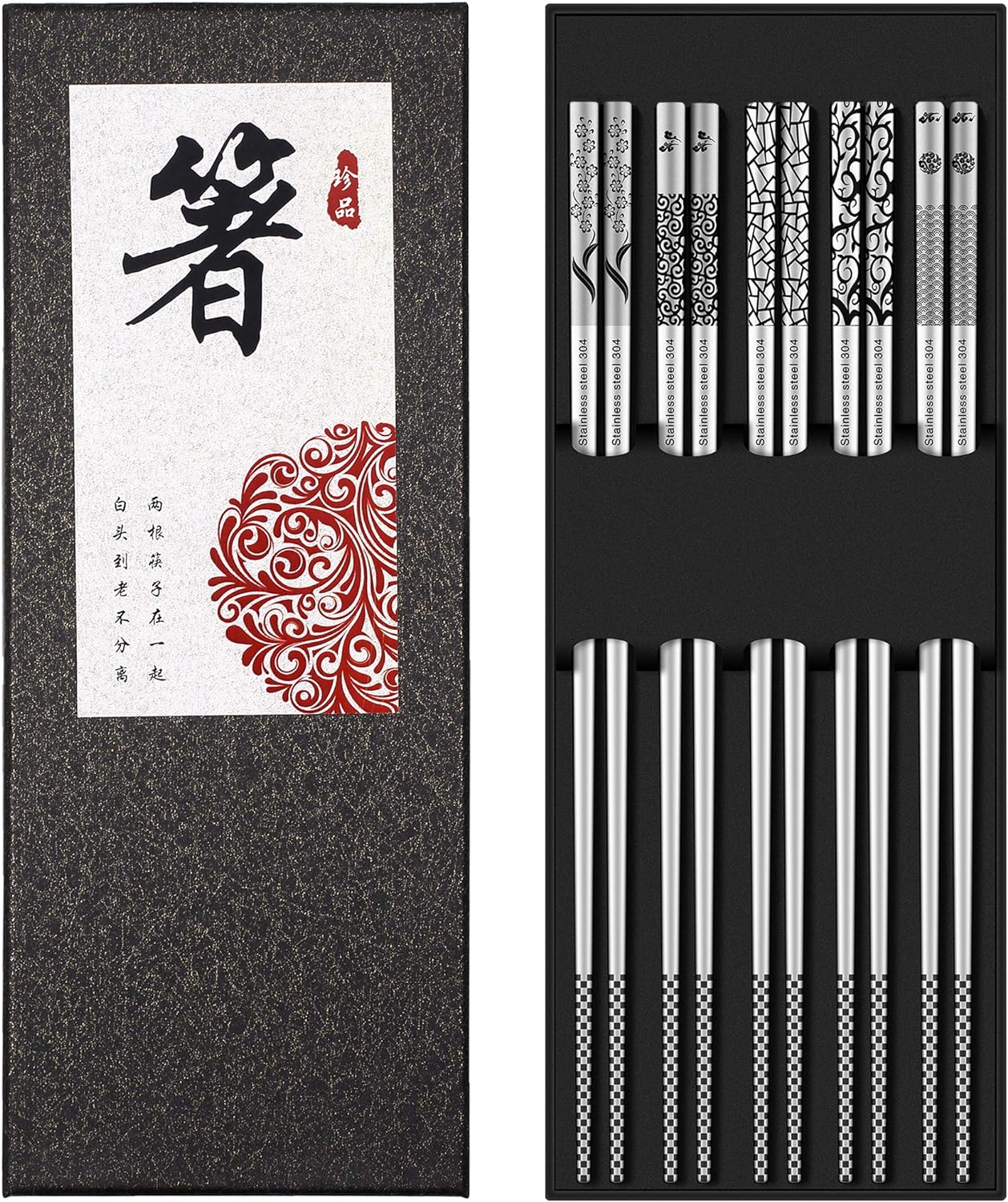 Best Seller
 Top Rated
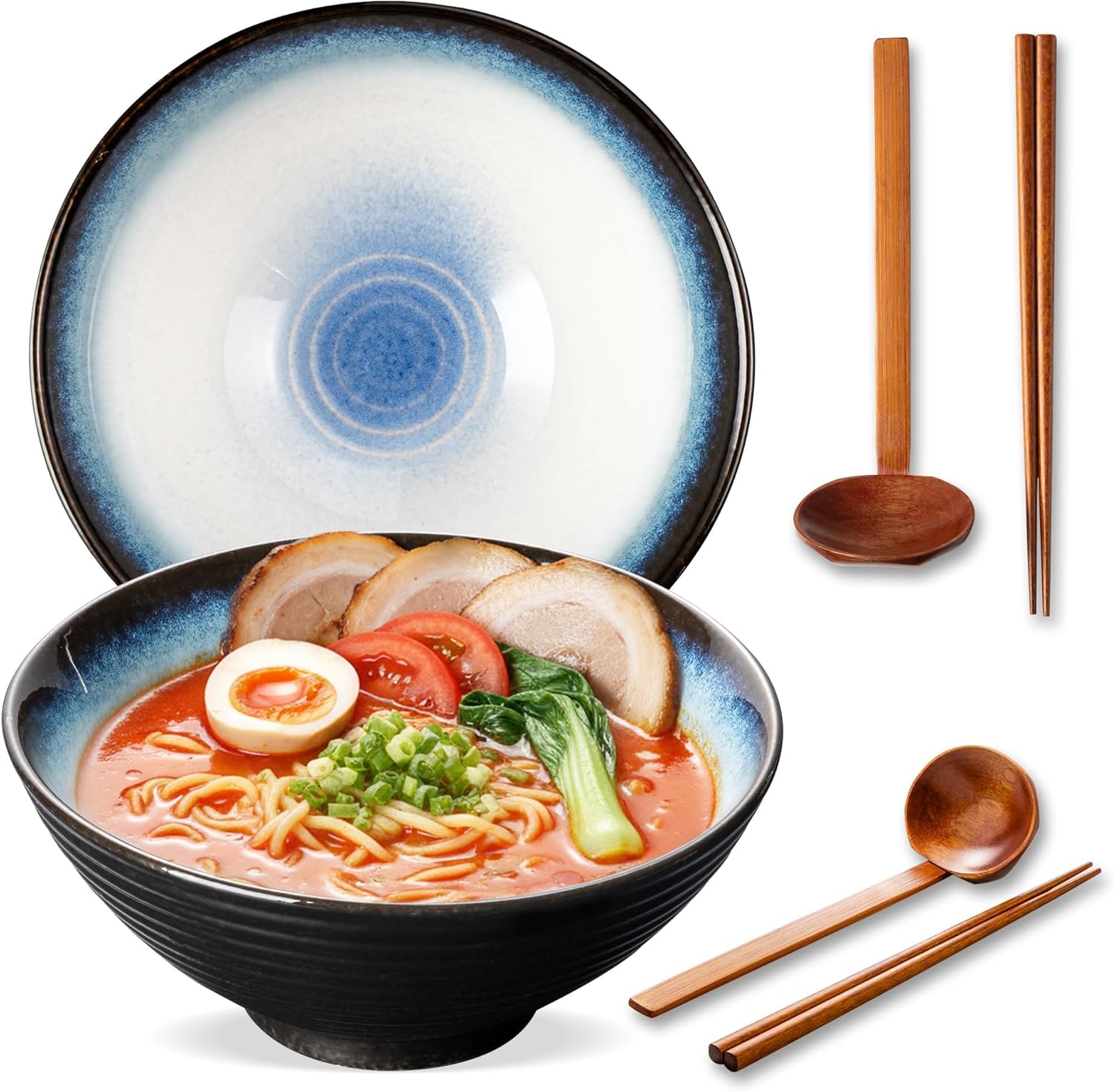 Staff Pick
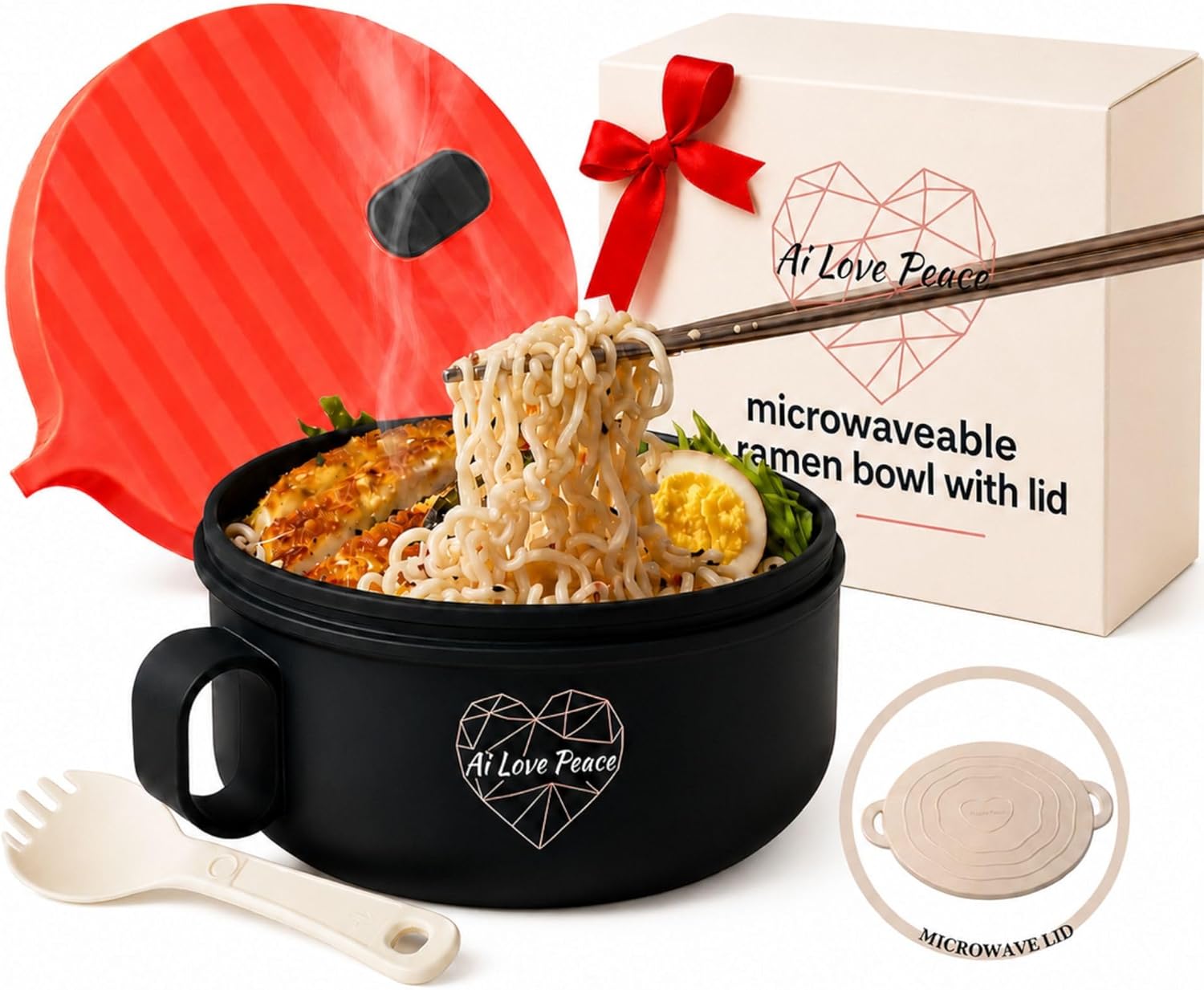 Best for Travel
 Gift Ready
 Shatter-Proof
* Affiliate links — we may earn a small commission at no extra cost to you.
 4
4Menya Muso Tsukemen & Ramen(Kirkland), in Kirkland, is next up, rated 4.6 out of 5 from 595 reviews.
 5
5Menya Muso Tsukemen & Ramen(Federal Way), in Federal Way, is next up, rated 4.6 out of 5 from 401 reviews.
 6
6A consistently praised Japanese spot in Buford known for its dipping-style tsukemen noodles. Offers a curated sake and cocktail menu and outdoor seating.
 7
7A bustling Japanese locale that offers tsukemen dipping noodles & ramen combos, plus beer & sake.
 8
8Traditional ramen, tsukemen, Japanese small plates, and sake served in a cozy space.
 9
9Bustling, cozy offshoot of Tsujita LA Artisan Noodles serving Tokyo-style ramen & tsukemen noodles.
 10
10Slow-cooked ramen, tsukemen, small bites & sake in stylish digs with rustic wood booths & bar seats.
 11
11Okiboru House of Tsukemen is a ramen restaurant in New York, NY.
 12
12Ramen & Tsukemen TAO, in Buena Park, is next up, rated 4.5 out of 5 from 536 reviews.
 13
13Industrial-chic warehouse dishing up traditional Japanese ramen with a choice of broth & toppings.
A curated PDF you can keep on your phone — everything worth eating, hand-picked and written up by us. Delivered to your inbox after checkout.
Secure checkout via Stripe. We'll email your guide once payment clears.

Tsukemen is the bowl I send people to when they think they have tried everything ramen has to offer. The noodles come completely separate from a thick, ultra-concentrated dipping broth, and you dunk each small bundle before each bite — it is interactive, intensely flavored, and genuinely addictive in a way that eating a standard bowl of ramen never quite is. The map above is filtered to tsukemen near you; enter your ZIP or use your location to find the closest spot.
Tsukemen has its own logic and its own etiquette, and getting them right makes the whole experience click. The format was designed to keep the noodles at their maximum chewiness, deliver flavor in concentrated bursts with each dip, and end with a ritual that turns your remaining dipping broth into a light, restorative soup. Understanding all of that before you sit down makes the meal significantly better.
I fell in love with tsukemen the first time I ordered it by accident at a shop where I could not read the menu. The bowl of noodles arrived first, then a smaller cup of what looked like a very dark, very thick soup, and I figured it out just quickly enough to avoid pouring the broth over the noodles. The noodles were thick and chewy in a way standard ramen noodles rarely are, and the concentrated broth clung to each bundle with an intensity I had never tasted in a standard bowl.
This guide covers everything: what tsukemen actually is, how to eat it properly, how to order it well, and what makes one shop's version better than another. Whether it is your first time or you are looking for your next great bowl, the map above and this guide will get you there.
Tsukemen means "dipping noodles." Instead of sitting submerged in soup, the noodles are served separately on their own plate or in a separate bowl — often chilled or at room temperature — next to a smaller vessel of broth that is much thicker, richer, and far more concentrated than regular ramen soup. You dip a small bundle of noodles at a time into the broth, coating them before each bite rather than eating them from a pool of soup. Because the noodles are not soaking in hot liquid, they stay firm and chewy from first bite to last — and tsukemen noodles are typically made thicker than standard ramen noodles to take advantage of this, delivering a satisfying, toothsome texture that is one of the real pleasures of the format.
Served apart from the broth on their own plate or bowl, usually cold or at room temperature. Kept separate, they retain their firmness and chew from the first bite to the last — a key advantage over soup ramen where noodles soften progressively.
Far thicker and more intense than soup ramen because it only needs to cling to a few noodles at a time rather than surround them. The concentration means each dip delivers an enormous hit of flavor. A great tsukemen broth is so rich it barely qualifies as a liquid.
Because they are not soaking in hot soup, tsukemen noodles are typically made thicker — sometimes substantially so — and contain more flour for a dense, satisfying chew. The texture is one of the main reasons people love the format.
The correct technique is to dip a small bundle of noodles — four or five strands — into the broth, swirl them briefly to coat each strand, then lift them out and eat. Do not pour the broth over the noodles; the concentration of the broth is calibrated for clinging to each bite, not for sitting in. When the broth is used as a pour-over, it becomes overwhelmingly salty and the balance the chef designed falls apart. When you finish the noodles, most shops offer "soup wari" — they will add hot dashi to your remaining dipping broth, diluting it to a drinkable soup so you can finish the meal with something clean and warming. Ask for it if it is not offered automatically; it is always available at a serious tsukemen shop and it is the perfect finish.
Resist the urge to load up on noodles per dip. A small bundle coats evenly and delivers maximum flavor. A large clump of noodles does not dip cleanly and the interior noodles miss the broth entirely.
The dipping broth is calibrated to coat, not to fill a bowl. Pouring it over the noodles makes the dish unbearably intense and salty, and it ruins the separation of textures that is the whole point of the format.
Soup wari — hot dashi added to the remaining dipping broth — transforms it into a light, warming soup that is a perfect finish to the meal. It is part of the tsukemen tradition and should never be skipped.
Tsukemen dipping broths come in several distinct styles, and knowing them helps you choose well. The most common is a rich pork broth similar to tonkotsu — thick, heavy, and deeply savory. Equally popular is gyokai (seafood) or gyokai-tonkotsu, a blend of dried fish stock and pork bone that has a characteristic umami punch and a slightly briny, oceanic depth that plays beautifully against the thick noodles. Shoyu-based tsukemen dipping broths are more common at traditional-style shops and tend to be more acidic and lighter, with a soy-forward tang. My personal preference is gyokai-tonkotsu — the combination of pork richness and seafood umami creates a complexity that straight pork or straight fish cannot achieve alone, and it makes the soup wari finish especially satisfying.
The richest and heaviest dipping broth: thick pork bone stock concentrated into something almost viscous. Deeply porky and very filling. The soup wari at the end is essential to balance the meal.
The most popular style: a blend of dried fish umami and pork bone richness that creates a layered, complex broth. The seafood notes add brightness that keeps the pork richness from feeling monotonous. My favorite.
A more traditional, lighter approach — the dipping broth has a soy-forward tang and a clean, sharp acidity that cuts through the richness. Less heavy than tonkotsu but still very flavorful. Good for those who find pork-forward broths too much.
I default to a rich pork or gyokai-tonkotsu dipping broth whenever it is available, and I always ask for the noodles cold — cold noodles stay firmer longer and have a more satisfying chew than room-temperature ones. A soft egg is a great addition that I order every time, and extra chashu on the noodle side rounds out the meal. If it is my first time at a shop, I tell the staff — they are usually happy to walk me through the format, explain the dipping broth, and remind me to ask for soup wari when I am done with the noodles. Tsukemen shops tend to be proud of their format and glad to share it with newcomers.
Cold noodles stay firmer for longer and have a more pleasant, springy texture than warm noodles. The contrast between cold, chewy noodles and hot, concentrated broth is one of the distinctive pleasures of the tsukemen format.
Adding extra chashu gives you a protein with each bite that can be dipped along with the noodles. Thin, fatty chashu picks up the broth beautifully and adds another dimension to each mouthful.
Tsukemen shops are genuinely happy to guide first-timers through the format. They will explain the dipping technique, remind you about soup wari, and make sure you get the most out of the meal.
Tsukemen is dipping ramen: the noodles are served separately from a thick, highly concentrated dipping broth. Rather than eating noodles submerged in soup, you dip a small bundle of noodles into the broth before each bite. The format keeps the noodles firm and chewy throughout the meal and delivers a concentrated hit of flavor with every dip.
Dip a small bundle of noodles — about four or five strands — into the broth, swirl briefly to coat them, then lift out and eat. Do not pour the broth over the noodles. When you finish the noodles, ask for soup wari: the shop adds hot dashi to your remaining broth to dilute it into a drinkable soup for a clean, warming finish.
Because it only needs to cling to a few noodles at a time rather than fill a bowl and surround all the noodles, the broth is made significantly more concentrated than regular ramen soup. Diluted to normal soup-level intensity, it would taste bland and flat. At dipping concentration, it is powerful enough to season each noodle beautifully.
Soup wari is the traditional way to finish a tsukemen meal. When you have eaten all the noodles, the shop adds hot dashi to your remaining dipping broth, diluting it to a drinkable consistency. The result is a light, deeply flavored soup that serves as a clean, warming close to the meal. It should never be skipped — it is one of the best parts of the tsukemen experience.
The map above is filtered to tsukemen. Enter your ZIP or tap "Use my location" to sort the closest bowls by distance, then open any listing for hours, photos, and directions. I recommend reading reviews specifically for mentions of broth intensity and noodle texture, which are the key variables in a great tsukemen.
Tonkotsu tsukemen uses a concentrated pork bone broth — thick, rich, deeply porky, and very filling. Gyokai tsukemen uses a dried seafood stock (gyokai means seafood) with a characteristic umami punch and briny depth. Gyokai-tonkotsu blends both for a complex, layered broth that combines pork richness with seafood brightness. All three are worth trying.
I always order them cold. Cold noodles stay firm and springy much longer than warm noodles and have a more satisfying, springy chew. The contrast between the cold, dense noodles and the hot, concentrated broth is also one of the distinctive sensory pleasures of the format. Most shops offer both, and either is valid, but cold is the classic choice.
It is better than most ramen styles for takeout because the noodles are already served separately from the broth — the separation that takeout usually ruins is built into the format. The noodles will not get soggy in transit, and the broth travels well in its own container. Just make sure to keep them separate until you eat, and reheat the broth gently before dipping.
From the community