
 1
1Hokkaido Ramen Santouka Chicago West Loop
Hokkaido Ramen Santouka Chicago West Loop, out in Chicago, is our top pick — rated 5.0 out of 5 from 1 reviews.
Every ramen restaurant we track that matches this, ranked by rating and review volume. Search by name or city, or switch to the map.
47 ramen restaurants on this page
47 ramen restaurants
1Hokkaido Ramen Santouka Chicago West Loop, out in Chicago, is our top pick — rated 5.0 out of 5 from 1 reviews.
 2
2Hokkaido Ramen, in Kill Devil Hills, is next up, rated 4.9 out of 5 from 91 reviews.
 3
3With 4.8 stars and 483 reviews, Hokkaido Ramen House is a popular ramen destination in Morrisville, North Carolina. Highlights include vegetarian options, delivery, a full bar, mid-range pricing.
Ramen Gear
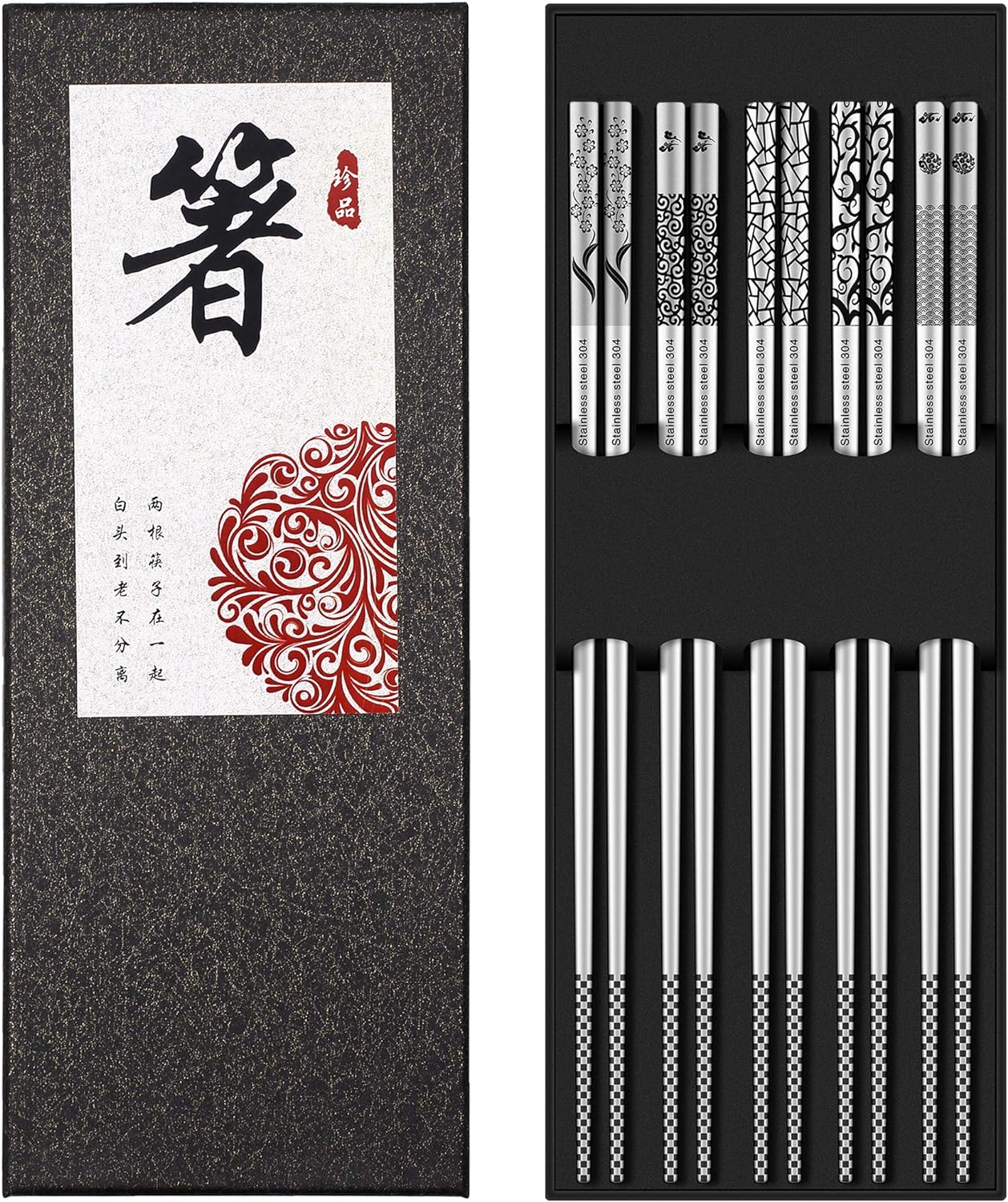 Best Seller
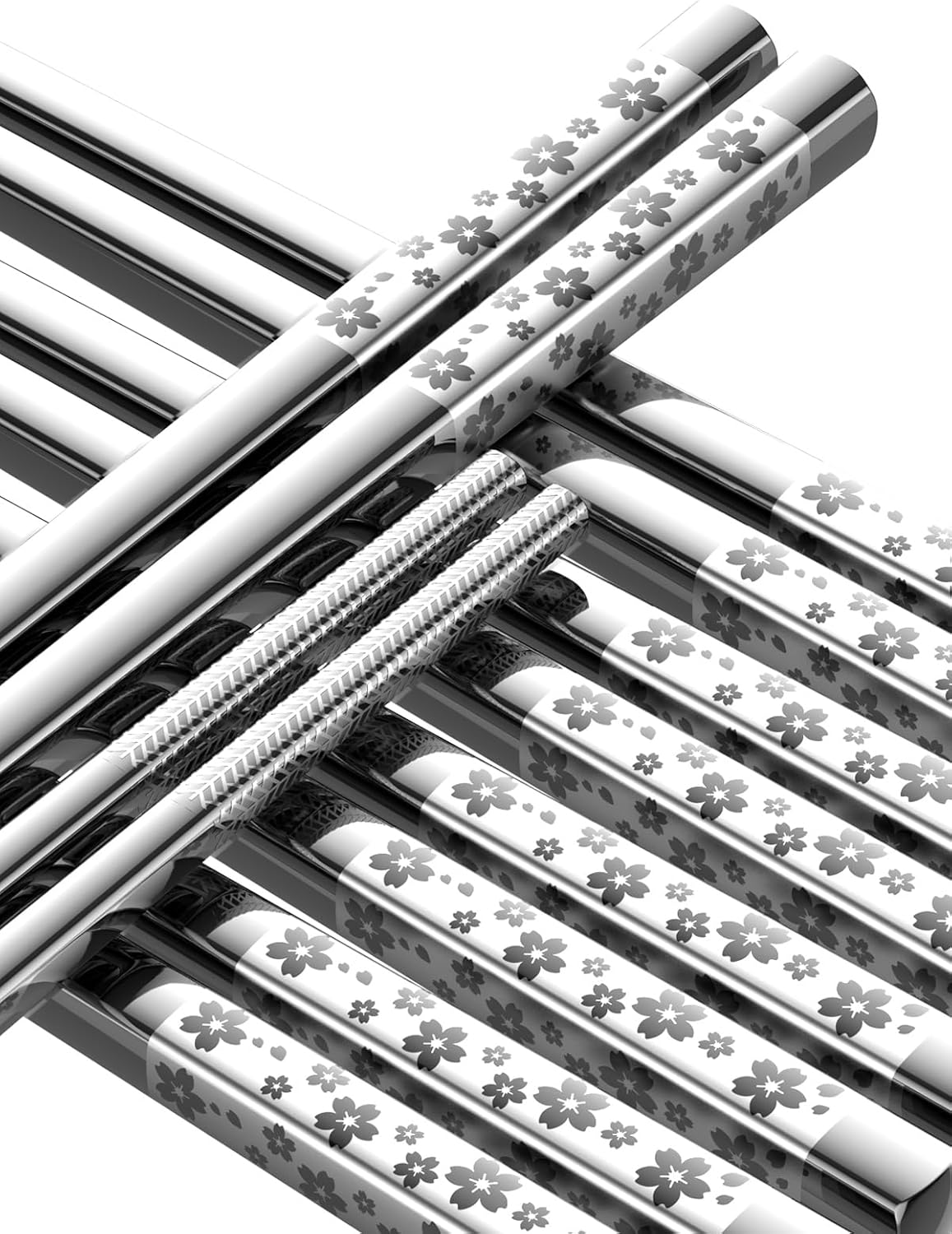 Top Rated
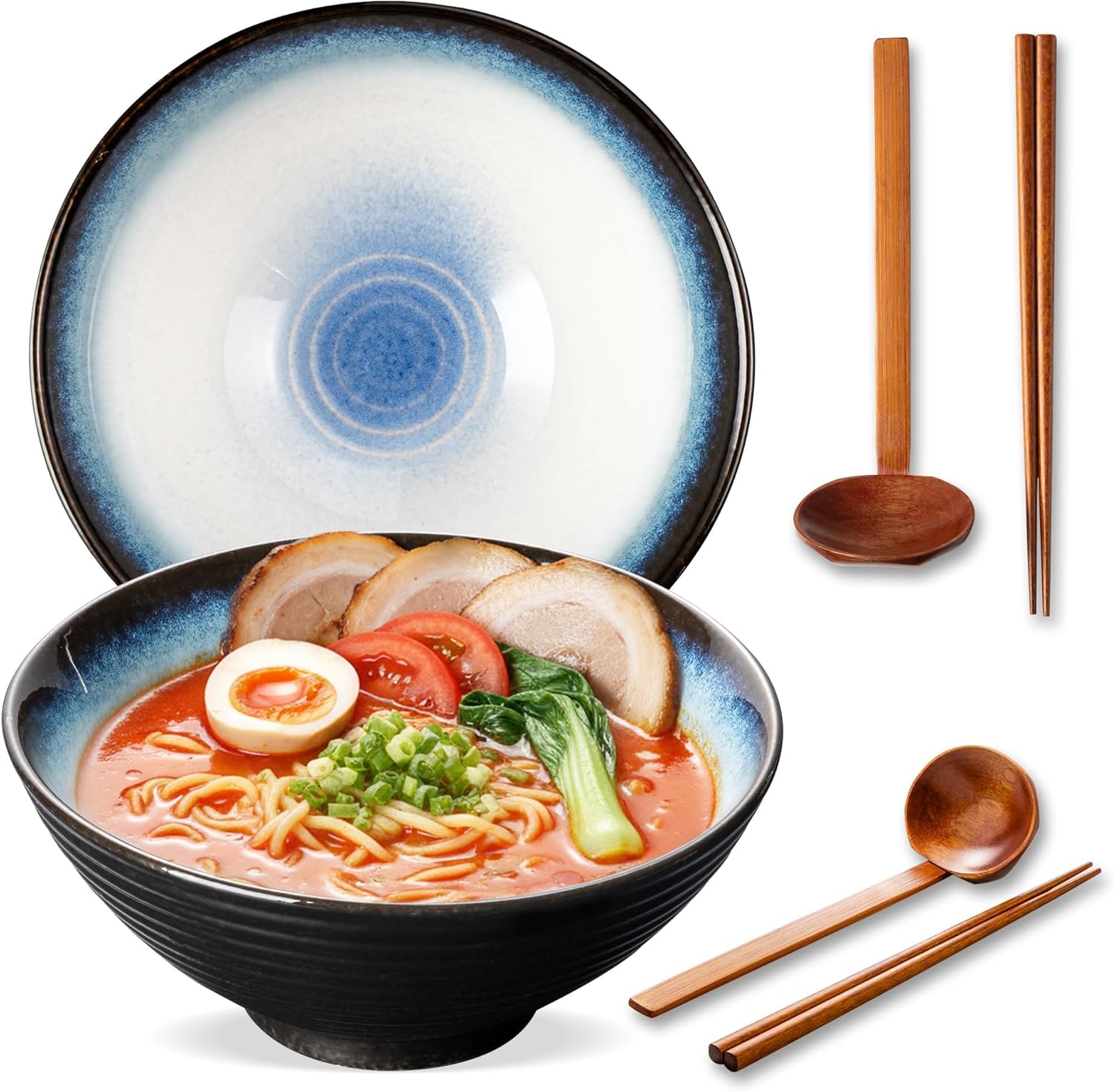 Staff Pick
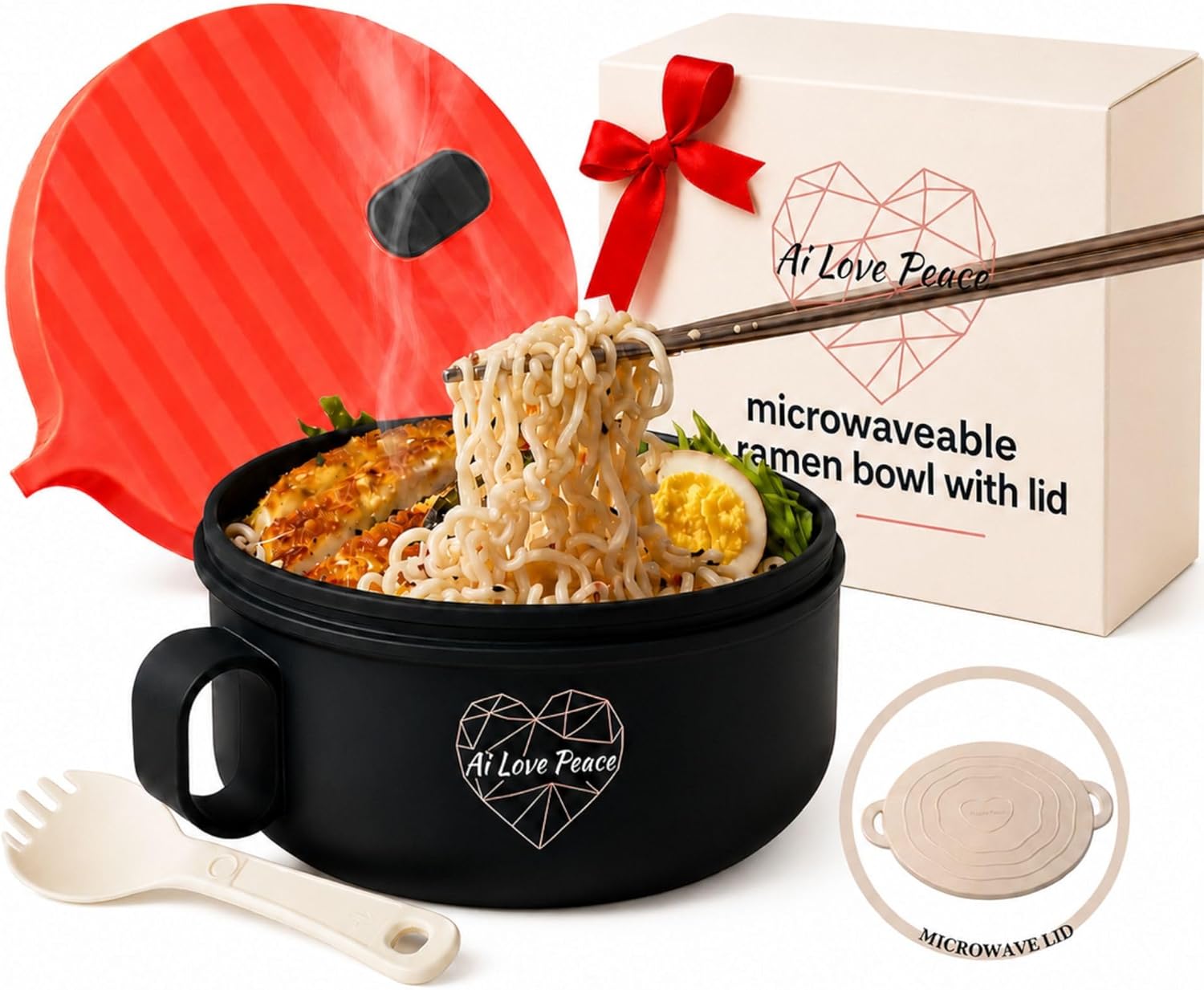 Best for Travel
 Gift Ready
 Shatter-Proof
* Affiliate links — we may earn a small commission at no extra cost to you.
 4
4Tucked into Alpharetta, Hokkaido Ramen House is a standout Japanese shop offering a satisfying lineup of noodle bowls. Highlights include delivery.
 5
5Hokkaido Ramen & Sushi Bar, in Evanston, is next up, rated 4.7 out of 5 from 1,332 reviews.
 6
6Hokkaido Ramen House - Aksarben, in Lenexa, is next up, rated 4.7 out of 5 from 1,049 reviews.
 7
7Hokkaido Sushi&Ramen, in Sneads Ferry, is next up, rated 4.7 out of 5 from 624 reviews.
 8
8Hokkaido, in Sanford, is next up, rated 4.7 out of 5 from 438 reviews.
 9
9HOKKAIDO RAMEN HOUSE, in Summerville, is next up, rated 4.7 out of 5 from 253 reviews.
 10
10Hokkaido Ramen House, in Hot Springs, is next up, rated 4.7 out of 5 from 222 reviews.
 11
11Hokkaido Ramen House - Rochester Greece is a ramen restaurant in Rochester, NY.
 12
12Hokkaido Ramen and Sushi bar, in Lawton, is next up, rated 4.6 out of 5 from 749 reviews.
 13
13Relaxed locale offering specialty sushi & Japanese entrees as well as beer, wine & sake.
 14
14Hokkaido Ramen House, in Hoffman Estates, is next up, rated 4.6 out of 5 from 431 reviews.
 15
15Tucked into Dacula, Hokkaido Ramen House is a popular Japanese shop offering a satisfying lineup of noodle bowls. Highlights include vegan-friendly options.
 16
16With 4.6 stars. Hokkaido Ramen House is a top-rated japanese restaurant in Evansville. offering a full bar, reservations accepted.
 17
17Hokkaido ramen & sushi, in Greensboro, is next up, rated 4.5 out of 5 from 769 reviews.
 18
18Hokkaido Ramen House, in Lexington, is next up, rated 4.5 out of 5 from 536 reviews.
 19
19Hokkaido Ramen Santouka, in Honolulu, is next up, rated 4.5 out of 5 from 394 reviews.
 20
20With 4.5 stars and 363 reviews, Hokkaido Ramen House is a popular ramen destination in Mt Dora, Florida. Highlights include vegan-friendly options, vegetarian options, delivery, a full bar, mid-range pricing.
 21
21Casual Japanese noodle house featuring a simple menu of ramen, rice bowls, and appetizers.
 22
22Hokkaido Ramen Santouka University Village, in Seattle, is next up, rated 4.4 out of 5 from 1,125 reviews.
 23
23Hokkaido | Ramen & Sushi Bar • Helena, in Helena, is next up, rated 4.4 out of 5 from 996 reviews.
 24
24Hokkaido Ramen House&sushi Bar, in Kalispell, is next up, rated 4.4 out of 5 from 931 reviews.
 25
25Informal Japanese eatery with a sushi bar & menu of kitchen entrees, from teriyaki to noodles.
 26
26Hokkaido Ramen Santouka, in Arlington Heights, is next up, rated 4.4 out of 5 from 713 reviews.
 27
27No-frills branch of a Japanese chain offering multiple variations of the traditional noodle soup.
 28
28Hokkaido Ramen House, in Greenville, is next up, rated 4.4 out of 5 from 480 reviews.
 29
29Hokkaido Ramen House, in Murfreesboro, is next up, rated 4.4 out of 5 from 433 reviews.
 30
30Hokkaido Sushi Bar, in Vancouver, is next up, rated 4.4 out of 5 from 299 reviews.
 31
31Hokkaido Japanese Steak & Sushi, in Saginaw, is next up, rated 4.3 out of 5 from 1,300 reviews.
 32
32Hokkaido Ramen Santouka, in Edgewater, is next up, rated 4.3 out of 5 from 713 reviews.
 33
33This casual Japanese eatery offers sushi rolls, hibachi meats & more in a strip-mall setting.
 34
34Hokkaido RAMEN House, in Bozeman, is next up, rated 4.3 out of 5 from 474 reviews.
 35
35Hokkaido Ramen & Sushi Bar, in Billings, is next up, rated 4.3 out of 5 from 424 reviews.
 36
36Billings Heights Hokkaido Ramen House, in Billings, is next up, rated 4.3 out of 5 from 326 reviews.
 37
37With 4.3 stars. HOKKAIDO Ramen House is a top-rated japanese restaurant in Greenwood.
 38
38Hokkaido Ramen, in Honolulu, is next up, rated 4.3 out of 5 from 120 reviews.
 39
39No-frills Japanese joint set in a strip mall focusing on grilled meats & seafood in pared-down digs.
 40
40Hokkaido Ramen, in Bradley, is next up, rated 4.2 out of 5 from 269 reviews.
 41
41HOKKAIDO SUSHI, in Lafayette, is next up, rated 4.2 out of 5 from 169 reviews.
 42
42Hokkaido Ramen House, in Missoula, is next up, rated 4.2 out of 5 from 157 reviews.
 43
43Sleek & airy venue for Asian dishes & cocktails, including hibachi fare & creative sushi rolls.
 44
44Great Falls Hokkaido Ramen & Sushi Bar, in Great Falls, is next up, rated 4.1 out of 5 from 643 reviews.
 45
45Hokkaido Ramen Natsuboshi / 北海道ラーメン夏星, in Honolulu, is next up, rated 4.0 out of 5 from 36 reviews.
 46
46Hokkaido Sushi & Ramen, in Vancouver, is next up, rated 3.5 out of 5 from 96 reviews.
 47
47Hokkaido Ramen, in Brooklyn Park, is next up, rated 2.0 out of 5 from 8 reviews.
A curated PDF you can keep on your phone — everything worth eating, hand-picked and written up by us. Delivered to your inbox after checkout.
Secure checkout via Stripe. We'll email your guide once payment clears.
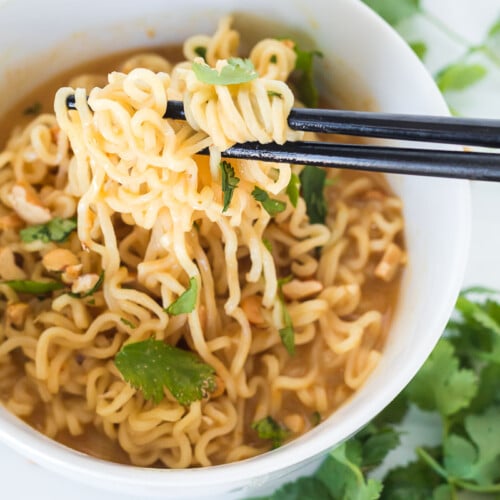
Hokkaido, Japan's cold and rugged northern island, is one of ramen's most important homelands — and its bowls are built for winter: hearty, warming, and deeply satisfying in a way that makes sense given the climate they evolved in. I fell in love with Hokkaido-style ramen the first time I had a proper Sapporo miso bowl, and I have been chasing that experience ever since. The map above helps you find Hokkaido-style ramen near you; enter your ZIP or use your location to find the closest bowl.
What makes Hokkaido ramen so compelling to me is that it feels purposeful. Every element — the thick miso broth, the pat of butter, the corn kernels, the layer of fat on the Asahikawa style — exists for a reason, and that reason is keeping a diner warm and satisfied in a place where winters are serious. That same logic makes Hokkaido bowls the perfect comfort food for anyone, anywhere, when the weather turns cold or when you simply need something deeply nourishing.
When people say "Hokkaido ramen," they usually mean one of three distinct city styles. Each city developed its own broth, its own noodle, and its own personality over decades of tradition. Here is what each one is, why each one matters, and how I find a great version outside of Japan.
Finding authentic Hokkaido-style ramen outside Japan is genuinely possible if you know what to look for. Sapporo miso is the most widely available of the three styles, but dedicated shops sometimes carry all three, and the regional detail they put into the bowl reflects genuine respect for the tradition.
Hokkaido\'s ramen reputation rests on three cities, each of which developed a signature broth style that reflects its geography, climate, and culinary culture. Sapporo, the island\'s capital and largest city, gave the world miso ramen — hearty, rich, and deeply warming. Hakodate, a historic port city in the south, developed a clear, delicate salt broth that reflects its maritime history. Asahikawa, an inland city known for harsh winters, created a shoyu-based style with a layer of fat on top to retain heat. Together they cover rich, light, and balanced, so there is a Hokkaido bowl for every mood and occasion.
The most famous Hokkaido style — a hearty, fermented-soybean broth, often enriched with corn, butter, bean sprouts, and ground pork over thick, curly noodles. Pure cold-weather comfort and the style you are most likely to find at shops outside Japan.
A clear, delicate salt-based broth from the port city of Hakodate — light, clean, and refined. It showcases the quality of the stock beneath the seasoning, making it an elegant counterpoint to the heavier Sapporo style.
A soy-based broth with a deliberate layer of lard or oil floating on top to trap heat and keep the bowl piping hot in bitter cold. Paired with wavy noodles, it is a distinctive style that rewards those who seek it out.
Hokkaido winters are genuinely brutal — cold, long, and snowy in a way that shapes daily life on the island. The ramen evolved to match those conditions, and every design choice reflects the climate it was built for. Sapporo\'s miso broth is thick and warming, the fermented soybean adding a depth of flavor that sustains rather than just satisfies. Asahikawa\'s shoyu style famously floats a layer of fat on top — not for richness alone, but specifically to trap heat so the bowl stays hot to the very last sip in freezing air. Even the toppings tell the same story: corn, butter, plenty of pork, and generous portions lean hearty and caloric. It is ramen as fuel against the cold, and it is wonderful any time you want that level of comfort, regardless of the actual weather outside.
Sapporo miso deserves its own examination because it is such a distinctive and beloved bowl. The miso tare in a great Sapporo bowl is not a single ingredient — it is a blend of different miso types, sometimes with added fats and aromatics, that creates a complex, layered seasoning. The broth beneath is typically a pork-based stock that combines with the miso for incredible depth. The toppings are integral rather than decorative: corn adds sweetness, butter adds richness and a glossy sheen, bean sprouts add texture and freshness, and ground pork adds body and savory intensity. Thick, curly noodles are the right vehicle, catching and holding all that rich broth in every wave and ridge.
The best Sapporo miso uses a blend of miso types rather than a single kind, creating complexity and depth that a single-variety tare cannot achieve on its own.
Corn, butter, bean sprouts, and ground pork are not garnish in a Sapporo bowl — they are structural elements that contribute sweetness, richness, texture, and savory depth to the finished dish.
The right noodle for a miso bowl grabs and holds the rich broth. Thin, straight noodles slip through; thick, wavy noodles carry every component of the soup in each bite.
Sapporo miso is the most common Hokkaido style you will encounter outside Japan, which makes the "Miso" filter on the map a great starting point for any Hokkaido search. For the Hakodate and Asahikawa styles, I check listings and menus for explicit references to these cities or their signature characteristics — the corn-and-butter combination for Sapporo, the exceptional clarity and lightness for Hakodate shio, the fat-on-top technique for Asahikawa shoyu. Shops that name a specific Hokkaido city on their menu are usually proud of the tradition and have done the homework to do it justice. I also look at listing photos for the telltale signs: that beautiful knob of butter melting across a miso broth is one of ramen\'s most appealing sights.
Hokkaido ramen refers to the hearty, warming styles from Japan's cold northern island, centered on three cities: Sapporo (miso), Hakodate (shio), and Asahikawa (shoyu). Each style reflects the climate and culinary culture of its city of origin.
Sapporo ramen is the famous Hokkaido miso style — a rich, fermented-soybean broth seasoned with a blended miso tare and often topped with corn, butter, bean sprouts, and ground pork over thick, curly noodles. It is the most widely available Hokkaido style outside Japan.
Sapporo miso (hearty fermented-soybean broth with corn and butter), Hakodate shio (clear, delicate salt broth from a port city), and Asahikawa shoyu (soy broth with a layer of fat on top to retain heat). Together they cover rich, light, and balanced.
It evolved for harsh northern winters. Thick miso broth, a fat layer on Asahikawa shoyu to trap heat, and hearty toppings like corn and butter all serve the practical purpose of keeping diners warm and sustained against the cold. The result is some of the most comforting ramen you can find.
Hakodate shio uses a clear, delicate salt-based broth rather than the rich, opaque miso of Sapporo. It is lighter, more refined, and showcases the quality of the base stock. Hakodate's port city history and milder climate compared to inland Hokkaido influenced this lighter style.
Use the map above and stack the "Miso" filter for the classic Sapporo style, or check listings and menu descriptions for references to Sapporo, Hakodate, or Asahikawa. Look for the corn-and-butter combination in photos as a reliable visual marker.
Asahikawa shoyu ramen deliberately floats a layer of lard or oil on top of the broth to act as insulation, trapping heat and keeping the bowl piping hot even in very cold weather. It is a functional design that also adds richness to the overall flavor.
Yes — corn and butter are strongly associated with Sapporo miso ramen in particular and with Hokkaido cuisine more broadly. Hokkaido is Japan's major dairy-producing region, and the island's corn is celebrated. These ingredients are integral to the Sapporo style, not modern additions.
From the community