
What Is Tantanmen? Spicy Sesame Ramen Explained
What is tantanmen? Japanese spicy sesame ramen explained: what's in it, how spicy it is, tantanmen vs. dan dan noodles, soupless styles, and where to find it.

Jackson Hewitt
Contributor profile →
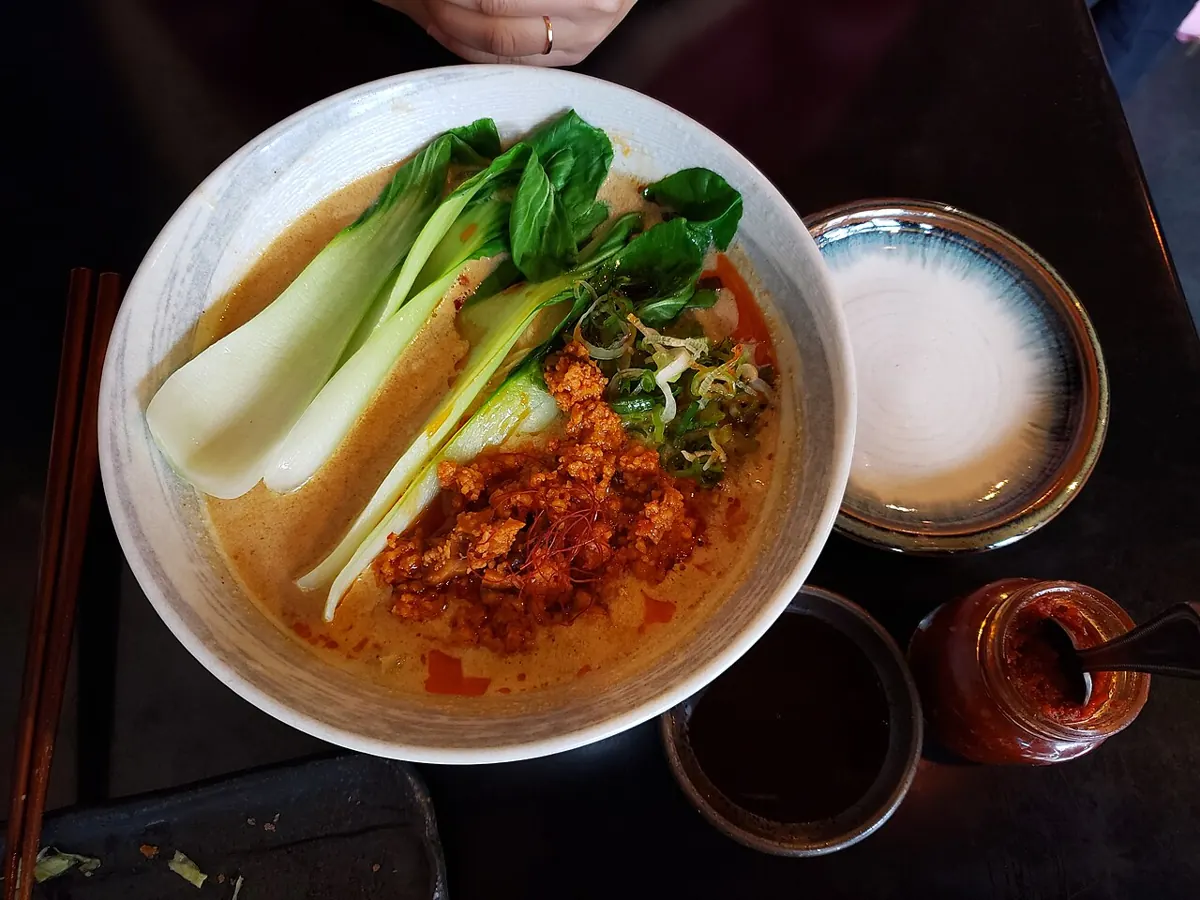
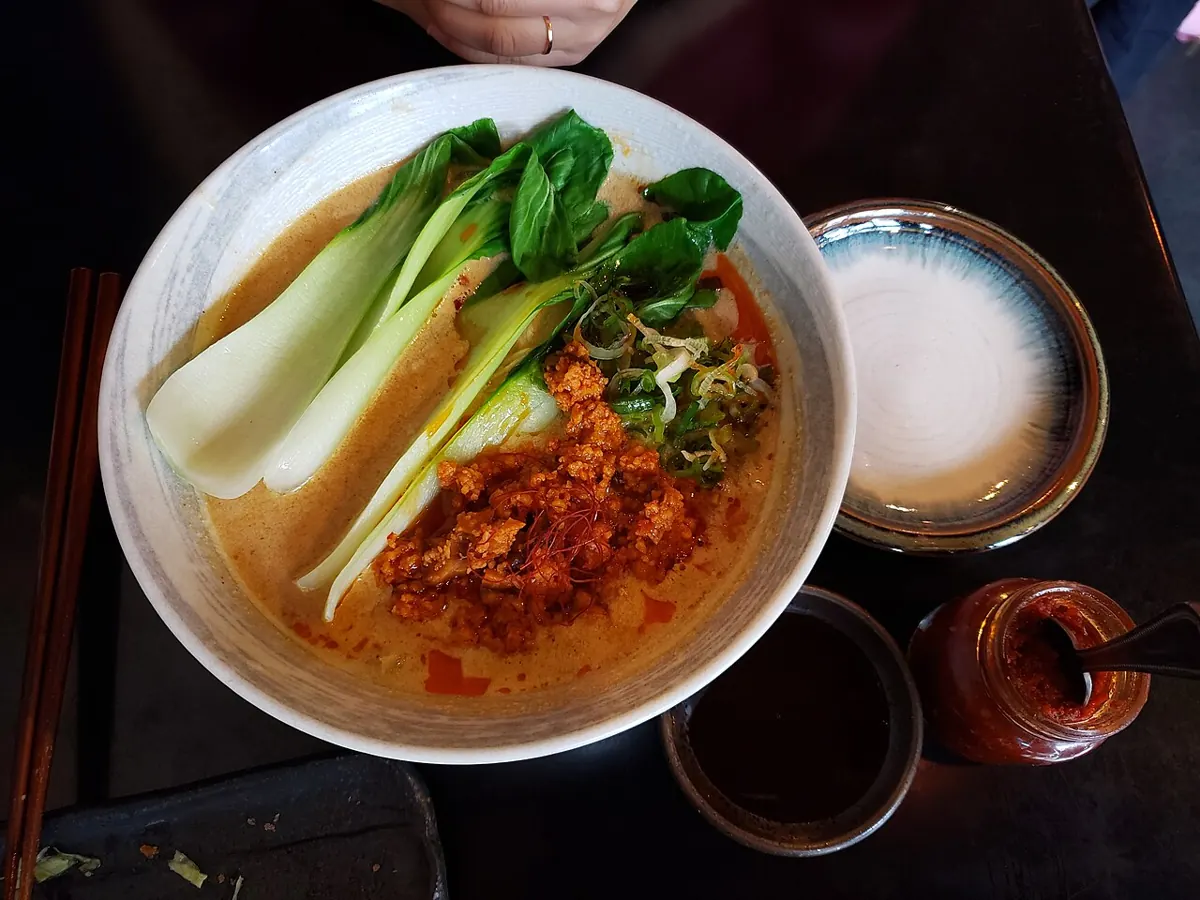
Tantanmen (担々麺) is Japanese spicy sesame ramen: noodles in a creamy, nutty broth made with sesame paste and chili oil, topped with savory stir-fried ground pork and greens like bok choy. It's Japan's take on Sichuan dan dan noodles, a street dish that's served with little or no soup in China.
In Japan, cooks added a full bowl of broth and turned it into a ramen-shop staple, and it's now on the menu at many ramen restaurants across the US.
If you've seen "tantan," "tan tan ramen," or "dan dan ramen" on a menu and wondered what you'd be getting, this guide explains what's in the bowl, how spicy it really is, how it differs from dan dan noodles and other spicy ramen, and how to find it near you.
What is tantanmen?
A classic bowl of tantanmen has four main parts:
- Sesame tare: a seasoning base built on Chinese or Japanese sesame paste (made from toasted sesame seeds, so it's nuttier and darker than tahini), soy sauce, and often a little vinegar and sugar. This is what makes the broth creamy and nutty.
- Chili oil (rayu): spooned in for heat and color. Many shops also add doubanjiang (spicy fermented bean paste) and some add Sichuan peppercorn for a tingling, numbing edge.
- Broth: usually a chicken or pork stock, sometimes enriched with soy milk for extra body. When it's mixed with the sesame tare, it turns opaque and orange-tinged.
- Toppings: the signature is niku miso or seasoned ground pork, stir-fried with ginger, garlic, and bean paste. Bok choy or another leafy green, scallions, chopped peanuts or sesame seeds, and sometimes a soft-boiled egg finish the bowl.
The noodles are standard ramen noodles, made with wheat flour and alkaline kansui (see what ramen noodles are made of), and they're often thin to medium so they pick up the thick broth.
Where tantanmen came from
The dish starts in Sichuan, China, as dandan mian. The name refers to the carrying pole (dan) that street vendors balanced on their shoulders, with noodles in one basket and sauce in the other.
Sichuan dan dan noodles are served with only a small amount of intensely flavored sauce: chili oil, Sichuan pepper, preserved vegetables, and crispy pork, mixed together at the bottom of the bowl.
The Japanese soup version is widely credited to Chen Kenmin, a Sichuan-born chef who helped popularize Sichuan cooking in Japan after World War II. He adapted the dish for Japanese diners by adding broth and leaning on sesame, and the soupy style spread from Chinese restaurants to ramen shops.
Today "tantanmen" in Japan usually means the soup version, and the soupless original is often sold separately as shiru-nashi tantanmen (soupless tantanmen).
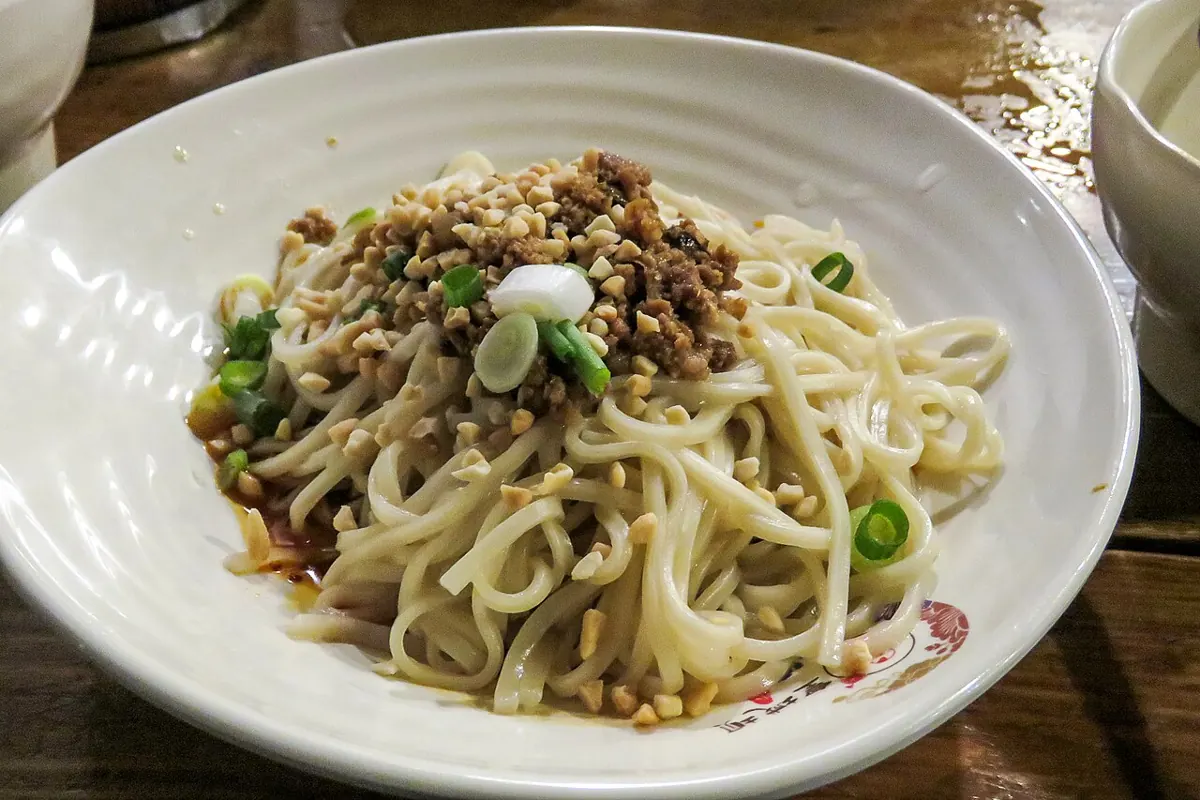
Tantanmen vs. dan dan noodles
| Tantanmen (Japan) | Dan dan noodles (Sichuan) | |
|---|---|---|
| Soup | A full bowl of creamy sesame broth | Little or no liquid, just sauce at the bottom |
| Main flavor | Nutty sesame first, then chili heat | Chili oil and numbing Sichuan pepper first |
| Pork topping | Seasoned ground pork, often sweet-savory | Crispy fried minced pork, often with preserved vegetables |
| Noodles | Ramen noodles made with kansui | Thin wheat noodles |
| Where you'll find it | Ramen shops and Japanese restaurants | Sichuan and other Chinese restaurants |
In short, dan dan noodles are a sauced noodle dish and tantanmen is a ramen soup. Don't confuse either one with tanmen (タンメン), a mild, salt-based Japanese noodle soup topped with stir-fried vegetables. The names sound alike, but tanmen isn't spicy and has no sesame paste.
How spicy is tantanmen?
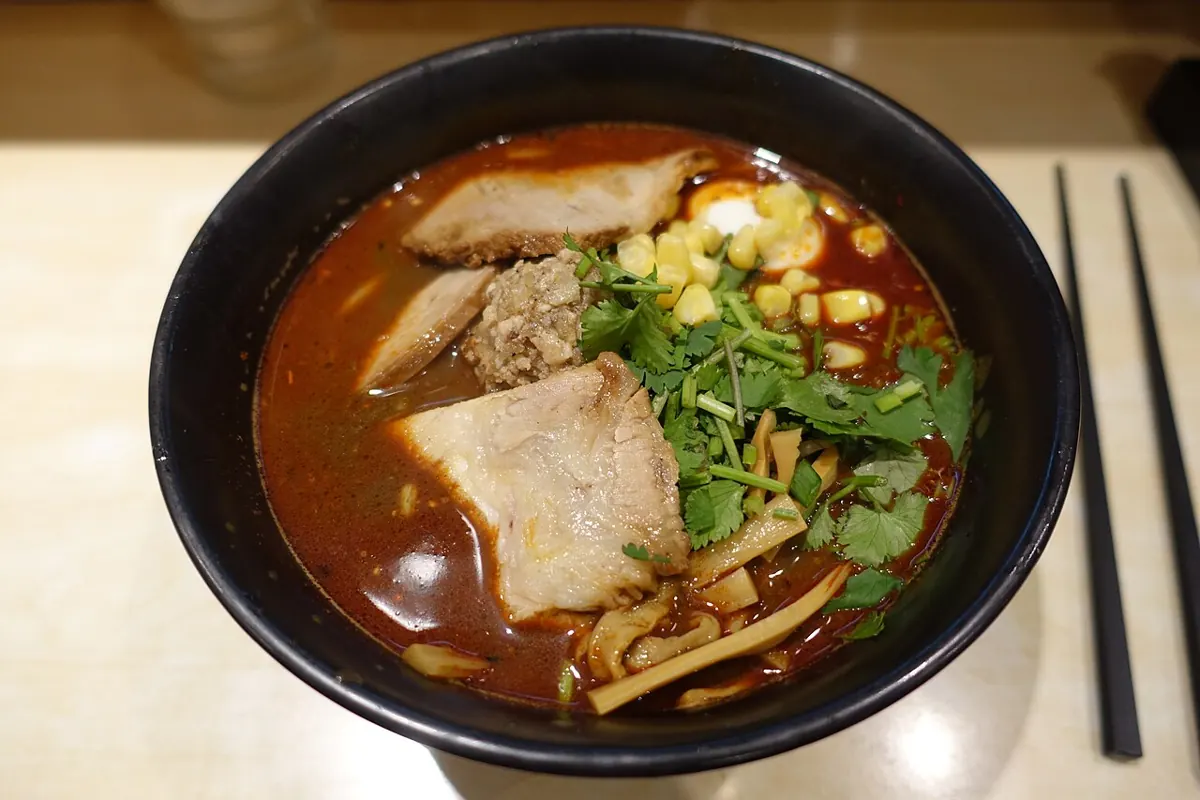
Most tantanmen is medium-spicy. The sesame paste and soy milk or creamy broth soften the chili oil, so the heat builds gradually instead of hitting all at once. That makes it a good starting point if you like a little heat but aren't ready for a "fire" or challenge bowl.
Spice levels vary a lot from shop to shop, though, and many ramen restaurants let you choose a level or add extra chili oil at the table.
If the bowl includes Sichuan peppercorn, expect a tingling, slightly numbing sensation (called mala when combined with chili heat). That's normal and intended. For truly hot bowls, see our guide to the spiciest noodles in the world or search for extra spicy ramen near you.
Common types of tantanmen
- Classic (white sesame) tantanmen: the creamy, orange-tinged soup most people picture, with ground pork and bok choy.
- Black sesame (kuro goma) tantanmen: made with black sesame paste for a darker, toastier, slightly bitter flavor.
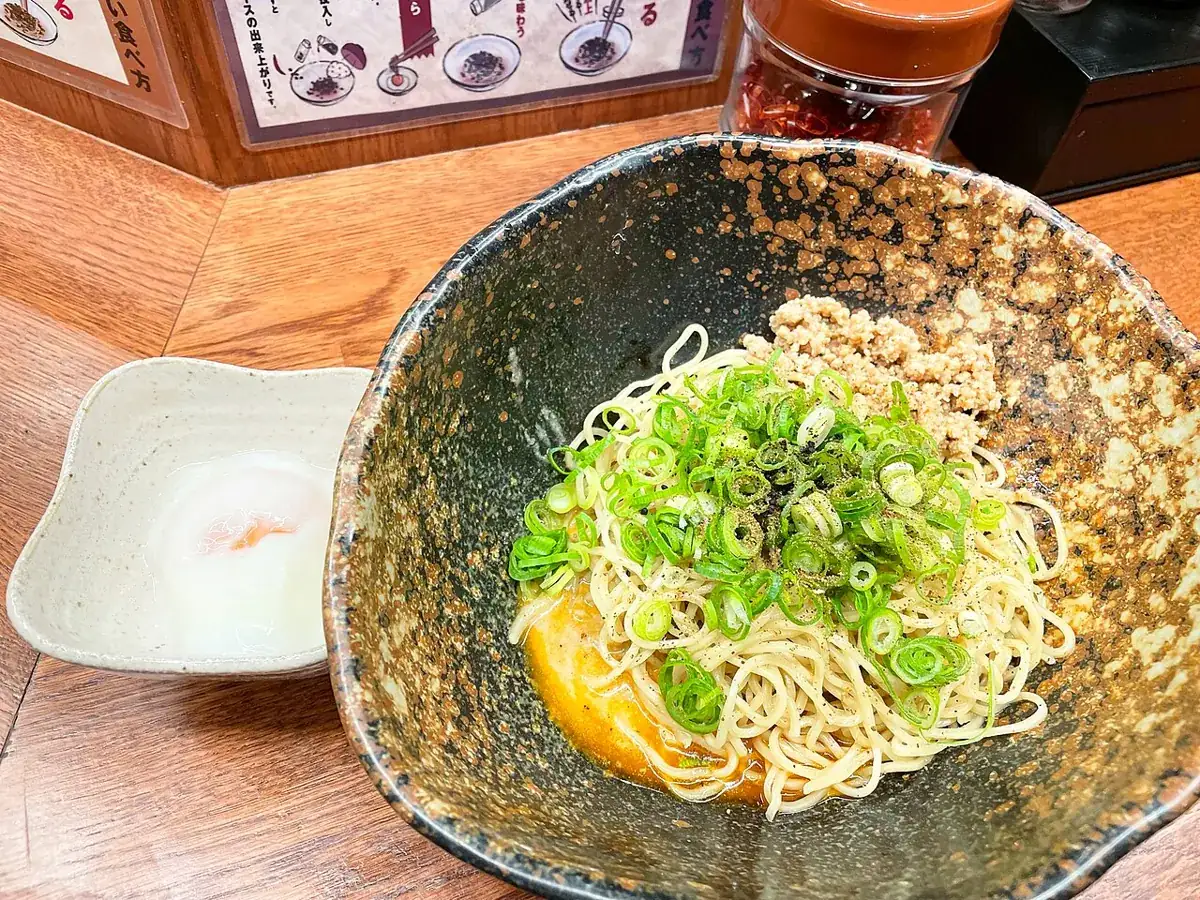
- Shiru-nashi (soupless) tantanmen: closer to the Sichuan original, with noodles tossed in sesame-chili sauce and no broth. Hiroshima is known in Japan for a soupless style that leans heavily on Sichuan pepper. If you like brothless bowls, also look for mazemen.
- Tantan tsukemen: thick noodles served with a spicy sesame dipping broth. Our guide to tsukemen explains how to eat it.
- Vegan or vegetarian tantanmen: many shops make a version with vegetable or soy-milk broth and a plant-based "meat" topping, often tofu, mushrooms, or soy crumbles. Browse vegan ramen and vegetarian ramen to find options.
Tantanmen vs. spicy miso ramen
Both are creamy, spicy, and popular in cold weather, so they're easy to mix up. The difference is the base: tantanmen gets its body and nuttiness from sesame paste, while spicy miso ramen gets its savory, fermented depth from miso.
Some tantanmen recipes add a spoonful of miso to the pork topping, and some spicy miso bowls add sesame, so the line can blur. If a menu lists both, tantanmen will usually taste nuttier and a little sweeter, and spicy miso will taste saltier and more savory.
Read more in what is miso ramen and our comparison of the four main types of ramen.
Allergy and diet notes
- Sesame: tantanmen is built on sesame paste, so it isn't safe for anyone with a sesame allergy.
- Peanuts: some shops top it with crushed peanuts or blend peanut butter into the tare. Ask before ordering if you have a peanut allergy.
- Soy and wheat: soy sauce, bean paste, soy milk, and wheat noodles are all common, so standard tantanmen isn't gluten-free. See gluten-free ramen for shops that offer alternatives.
- Sodium and fat: like most ramen, the broth is rich and salty. Leaving some of the soup in the bowl is the simplest way to cut back.
Make it at home
Tantanmen is one of the more approachable ramen styles to cook at home because it doesn't need a long-simmered bone broth: the sesame tare and chili oil do most of the work. This recipe video from Sudachi walks through the pork topping, the sesame tare, and a soy-milk broth.
Video: How to Make Tantanmen (Japanese Tan Tan Ramen at Home) by Sudachi on YouTube.
How to find tantanmen near you
Tantanmen is usually listed as "tantanmen," "tan tan ramen," "tantan men," or "spicy sesame ramen," and some shops simply call it "dan dan ramen."
Use our tantanmen near me page to see ramen shops in our directory whose listings mention it, or widen the search with spicy ramen and spicy miso ramen near you. If you'd rather try the Sichuan original, Chinese and Pan-Asian restaurants are the place to look.
In our directory, for example, the La La Noodle listing in Las Vegas mentions dan dan noodles in its description; see our Las Vegas ramen page for more spots in that city.
Menus change often, so check a restaurant's listing page or call ahead to confirm a bowl is currently being served. You can also browse every shop around you with our best ramen near me search.
The bottom line
Tantanmen is ramen in a creamy sesame-and-chili broth, topped with savory ground pork and greens. It grew out of Sichuan dan dan noodles, but the Japanese version is a full soup that's nuttier and usually milder.
It's a great pick for a cold November night, and if you're building a list of warming bowls for the season, our guide to the best ramen for cold weather has more ideas.