
What Is Tsukemen? How to Eat Dipping Ramen
What is tsukemen? Japanese dipping ramen explained: thick noodles, concentrated broth, how to eat it, soup wari, hot vs. cold noodles, and where to find it.

Jackson Hewitt
Contributor profile →
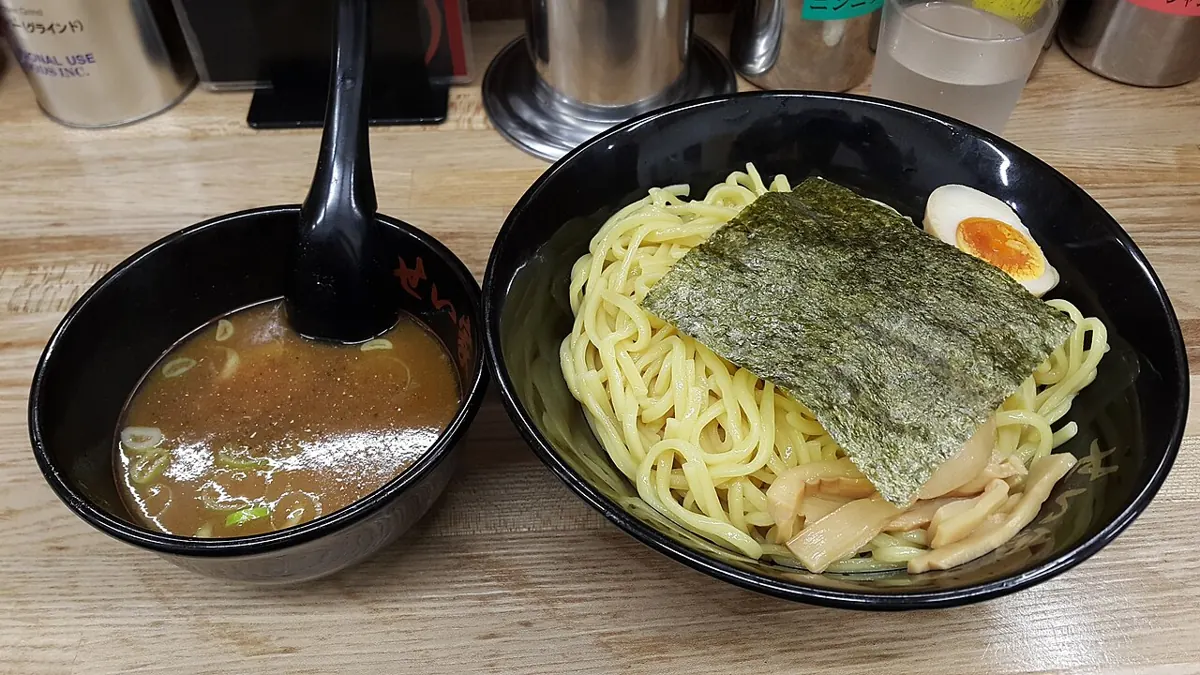
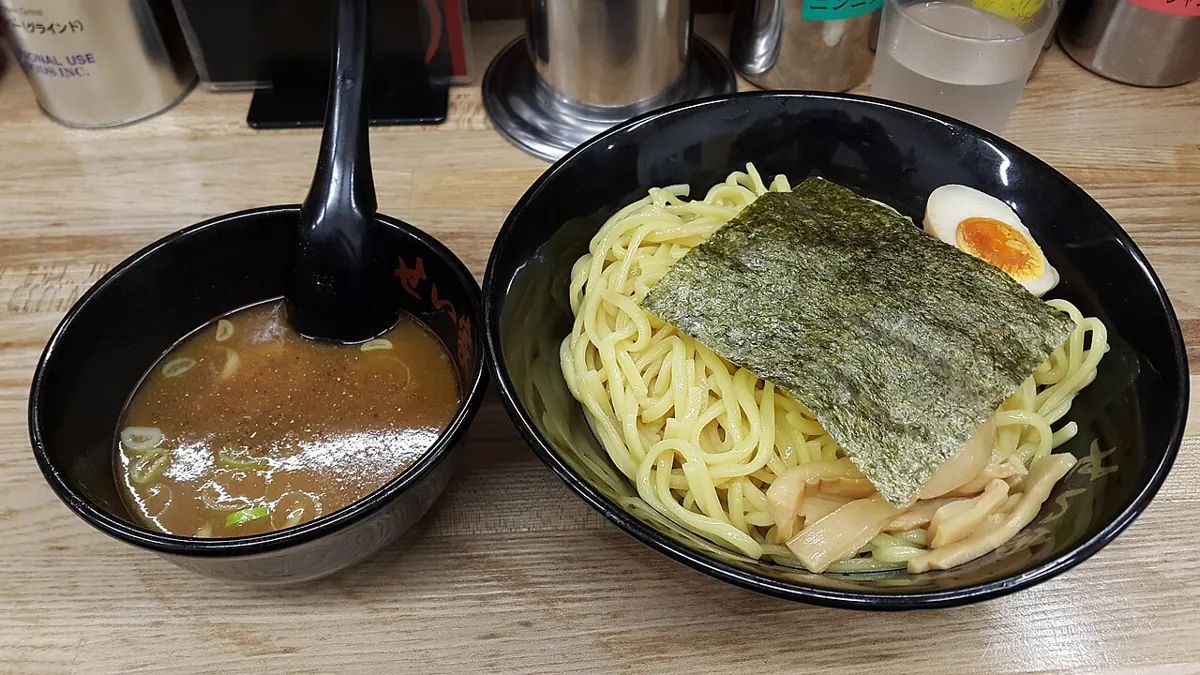
Tsukemen (つけ麺) is Japanese dipping ramen: thick, chewy noodles served in one bowl, usually rinsed cool, alongside a separate bowl of hot, concentrated broth that you dip each bite of noodles into. The name literally means "dipping noodles."
Because the broth is meant to coat the noodles rather than be sipped like soup, it's much thicker and more intensely seasoned than regular ramen broth. When the noodles are gone, many shops will add a light hot stock to the leftover broth, called soup wari, so you can drink it as soup.
If you've seen two bowls arrive at a ramen counter and weren't sure what to do, this guide explains what tsukemen is, where it came from, how it's different from regular ramen, and how to eat it the right way.
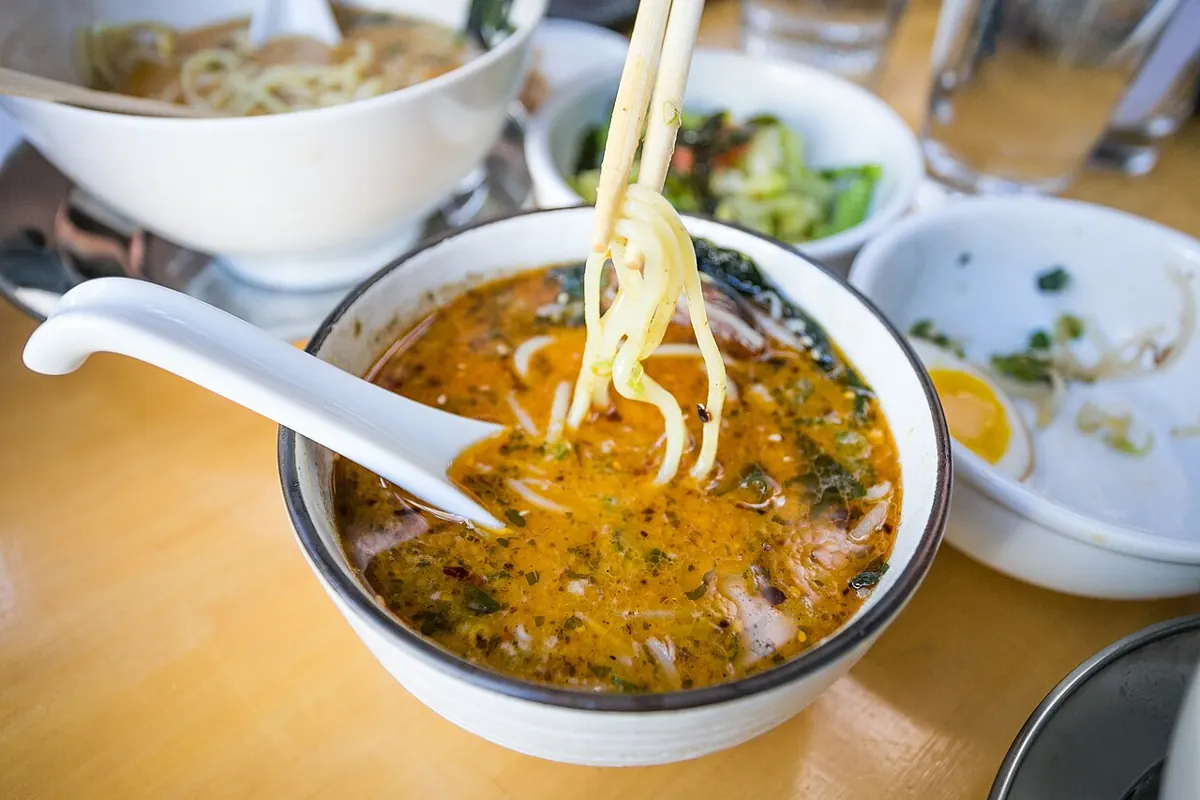
What is tsukemen?
A tsukemen order has two main parts:
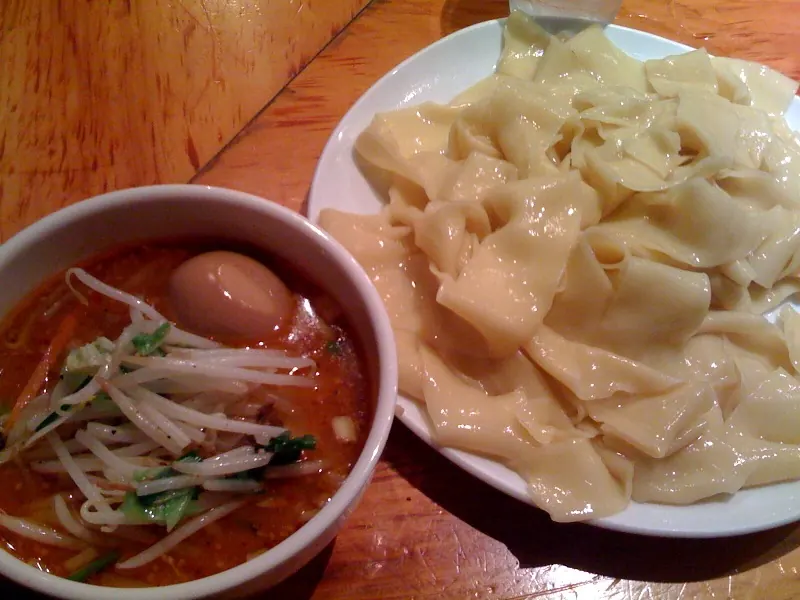
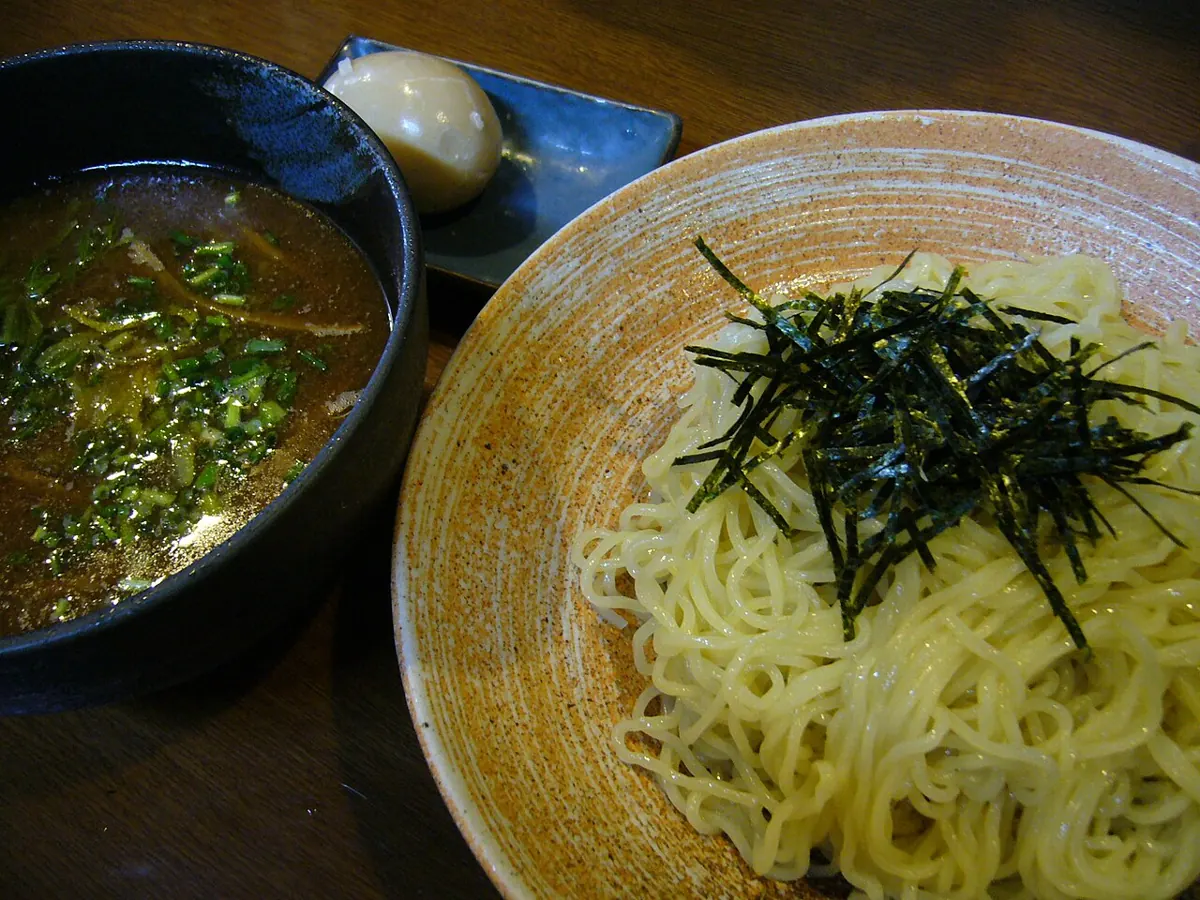
- The noodles (men): usually thick, wheat-based ramen noodles, cooked and then rinsed in cold water. The cold rinse removes surface starch and firms them up, which gives tsukemen its signature springy, chewy bite. Toppings like chashu pork, a seasoned soft-boiled egg, menma (bamboo shoots), and nori are often placed on the noodle plate.
- The dipping broth (tsukejiru): a smaller bowl of hot, rich broth that is reduced or seasoned more heavily than ramen soup. Popular versions include pork-and-seafood (often called gyokai tonkotsu), shoyu, miso, and spicy chili-based broths. Many have a little vinegar, sugar, or citrus for brightness.
Think of it as ramen deconstructed: you control how much broth each bite gets, and the noodles stay firm because they aren't sitting in hot soup. Like regular ramen, it's built on the same wheat flour and kansui noodles, just cut thicker.
Where tsukemen came from
Tsukemen is credited to Kazuo Yamagishi, who worked at a ramen shop called Taishoken in Nakano, Tokyo. His staff meal was leftover noodles dipped into a cup of seasoned ramen soup, a ramen version of the way cold zaru soba is eaten.
A regular customer asked to try it, and in 1955 the shop added it to the menu as "special morisoba." In 1961 Yamagishi opened Higashi-Ikebukuro Taishoken, where the dish drew long lines for decades and was passed on to the many cooks he trained.
The name "tsukemen" caught on later, and the style boomed in Tokyo in the 2000s, when many shops began serving thicker noodles with dense, pork-and-seafood dipping broths.
Today, tsukemen is a standard menu item at many ramen shops in the US, and some shops specialize in it. If you're curious how it compares with soba's dipping style, our guide to ramen vs. soba covers zaru soba and its light tsuyu sauce.
Tsukemen vs. regular ramen
| Tsukemen | Regular ramen | |
|---|---|---|
| Noodles | Thick, chewy, usually served cool (or hot on request) | Thinner to medium, served in the broth |
| Broth | Concentrated, thick, strongly seasoned dipping broth | Drinkable soup, seasoned to sip on its own |
| How you eat it | Dip a bundle of noodles, then slurp | Noodles and soup together in one bowl |
| Portion | Often a larger noodle portion | Standard noodle portion |
| Ending | Soup wari: thin the leftover broth and drink it | Drink the soup as you go |
The biggest practical difference is the broth. Regular ramen soup is balanced to be drunk on its own. Tsukemen broth is closer to a sauce: thick enough to cling to the noodles and salty enough that a quick dip seasons the whole mouthful.
Don't judge it by sipping it straight from the bowl before you start.
How to eat tsukemen, step by step
- Try a few noodles plain. Tsukemen shops put a lot of care into their noodles, and tasting them on their own shows off the texture and wheat flavor.
- Dip a small bundle. Pick up a few strands with your chopsticks, dip them partway into the broth (dunking about half to two-thirds of the length is a common approach), and lift them straight to your mouth. Slurping is normal and helps cool the hot broth.
- Don't pour the broth over the noodles. The broth is too concentrated to work as soup, and there isn't enough of it to cover everything. Keep the two bowls separate and dip as you go.
- Add the toppings as you like. Move chashu, egg, or bamboo shoots into the broth to warm them up, or eat them alongside the noodles.
- Use the condiments. Many shops provide vinegar, citrus, chili, or pepper so you can change the flavor partway through the bowl.
- Finish with soup wari. When the noodles are gone, ask whether the shop offers soup wari (sometimes called wari-soup). Staff add a light, hot dashi or stock to your leftover dipping broth so it becomes drinkable soup. Some shops have a pitcher on the counter instead.
For general ramen etiquette, including slurping and when to drink the broth, see our guide on how to eat ramen the right way.
Hot or cold noodles? Hiyamori vs. atsumori
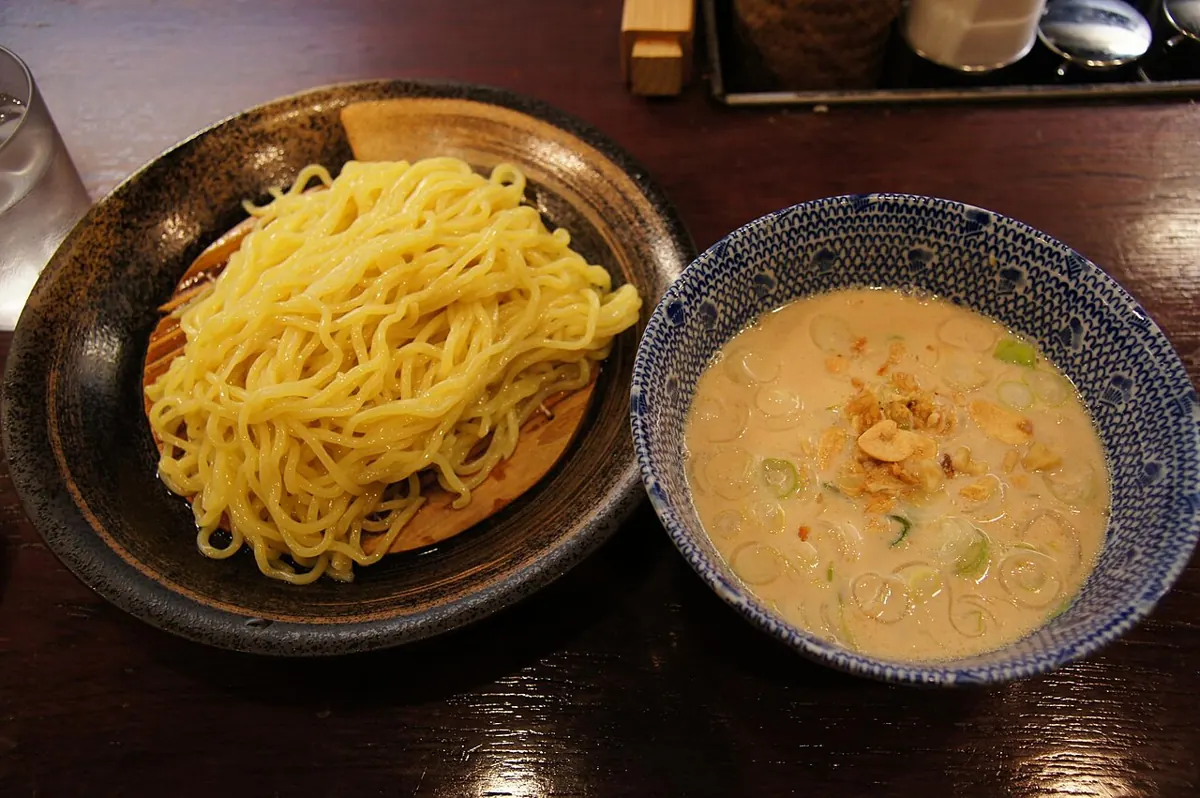
By default, tsukemen noodles are usually served hiyamori: rinsed and chilled, so they're firm and chewy. The trade-off is that cool noodles lower the temperature of the broth with every dip, so the broth can be lukewarm by the end of the bowl.
Some shops keep the broth hot with a heated stone or let you ask to have it rewarmed.
If you'd rather have everything warm, ask whether the shop offers atsumori, which means the noodles are served hot (sometimes in a little hot water or broth so they don't stick). Atsumori is a good choice on a cold night, though the noodles will be slightly softer.
For more warming bowls as the weather turns, see our guide to the best ramen for cold weather.
Common types of tsukemen
- Gyokai tonkotsu tsukemen: a thick pork-bone broth combined with seafood, often dried fish powder or bonito, for a deeply savory, slightly smoky taste. This is the style many people picture when they think of modern Tokyo tsukemen. Find bowls built on pork broth with our tonkotsu ramen search.
- Shoyu tsukemen: a soy-sauce-based dipping broth, often with a sweet-and-sour edge that recalls the original morisoba.
- Miso tsukemen: a fermented-soybean broth that's rich and nutty. See what is miso ramen for the flavor profile.
- Spicy tsukemen and tantan tsukemen: chili oil, chili paste, or a sesame-and-chili tantan broth. Browse spicy ramen and tantanmen near you.
- Abura soba (related, but different): sometimes confused with tsukemen, abura soba is "brothless" ramen, with noodles tossed in a small amount of seasoned oil and sauce in a single bowl.
Why tsukemen noodles are so thick
Thick noodles have more surface area and more chew, so they pick up the dense broth well and hold their texture after being rinsed cold. Many tsukemen shops also serve larger noodle portions than they do for regular ramen, because the noodles are the star of the dish.
If you love chewy noodles, our thick noodle ramen page and our roundup of the best thick noodle ramen are good next stops.
Make it at home
Tsukemen is one of the easier ramen styles to try at home, because the dipping broth needs less volume than a full bowl of soup. This short recipe video from RecipeTin Japan shows one approach, with a pork-and-sesame dipping sauce.
Video: Tsukemen Ramen by RecipeTin Japan on YouTube.
Where to find tsukemen near you
Use our tsukemen near me page to see ramen shops in our directory that serve dipping ramen. A few listings that put tsukemen right in their name, or are widely known for it, include:
- Okiboru Tsukemen & Ramen in Atlanta (4.8 stars on Google, 1,000+ reviews), plus Okiboru locations in Kennesaw and Buford, and Okiboru House of Tsukemen in New York
- Tsujita LA Artisan Noodles in Los Angeles (4.5 stars, 3,200+ reviews) and Tsujita NJ Artisan Noodle in Fort Lee, New Jersey (4.7 stars, 1,000+ reviews)
- Menya Muso Tsukemen & Ramen in the Seattle area, including Capitol Hill, Kirkland, Issaquah, and Federal Way
- Ramen & Tsukemen TAO in Buena Park, California (4.5 stars, 500+ reviews)
Ratings and review counts come from Google and change over time, and menus change too, so check each listing page (or call ahead) to confirm tsukemen is currently being served. You can also browse every shop in your area with our best ramen near me search.
The bottom line
Tsukemen is ramen split into two bowls: thick, chewy noodles and a hot, concentrated broth for dipping. Dip a little at a time, don't pour the broth over the noodles, try the condiments partway through, and finish with soup wari if the shop offers it.
If you like bold flavors and noodles with real bite, it's one of the most rewarding orders on a ramen menu.