
Best Ramen for Cold Weather: 7 Warming Styles
The best ramen for cold weather, from Sapporo miso to tonkotsu, tantanmen, and spicy miso. What makes each style warming and how to find it near you.

Jackson Hewitt
Contributor profile →
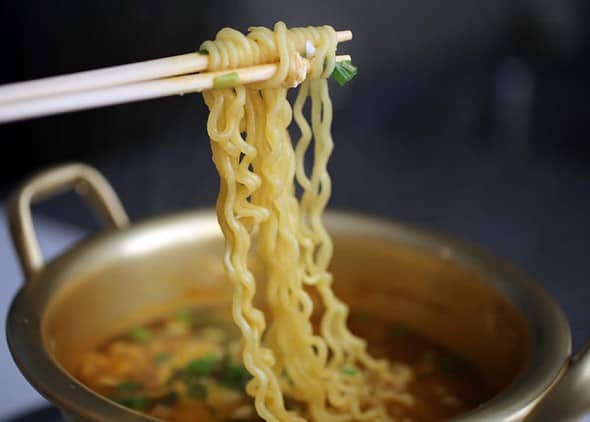
The best ramen for cold weather is miso ramen, the hearty style made famous in Sapporo, followed closely by rich tonkotsu, spicy tantanmen, and spicy miso.
These styles share the traits that matter most when the temperature drops: a fatty, full-bodied broth that holds its heat, generous toppings that make the bowl a complete meal, and, in the spicy styles, a chili kick that makes every sip feel warmer.
Lighter styles like shio and clear shoyu are excellent year-round, but when it's cold, wet, and dark by 5 p.m., the richer end of the ramen spectrum is where most people end up.
Below are seven ramen styles worth ordering as late fall turns into winter, what makes each one warming, and how to find them near you.
Why ramen is the ultimate cold-weather food
Ramen is served extremely hot, usually in a thick ceramic bowl that holds heat, and the broth is layered with fat (from pork back fat, chicken fat, or aromatic oils) that slows how fast it cools.
A single bowl delivers noodles, protein, and vegetables together, so it's filling in a way that a cup of soup isn't.
It's no accident that some of Japan's most famous regional styles, including Sapporo miso ramen and Asahikawa shoyu ramen, come from Hokkaido, the country's northernmost and coldest main island.
1. Miso ramen: the original winter bowl
Miso ramen was popularized in Sapporo in the mid-20th century and is built for snow.
The tare is based on fermented soybean paste, often blended with garlic, ginger, and sesame, and many shops stir-fry bean sprouts, cabbage, and ground pork in a wok before adding the broth, which gives it a smoky, savory depth.
Hokkaido-style bowls are often topped with butter and sweet corn, two of the island's signature ingredients. The result is thick, savory, slightly sweet, and about as close to a stew as ramen gets. Find it with our miso ramen near me and Hokkaido ramen searches.
2. Tonkotsu ramen: rich, creamy pork broth
Tonkotsu comes from Fukuoka on Kyushu, a relatively mild part of Japan, but its broth is one of the best cold-weather foods in any cuisine. Pork bones are boiled hard for many hours until collagen and fat emulsify into an opaque, creamy, milky broth.
That richness coats your mouth and keeps the bowl warm longer. Tonkotsu is typically served with thin, firm noodles, and many shops let you order extra noodles (kaedama) if one portion isn't enough on a cold night.
Browse tonkotsu ramen near you, or try a black garlic ramen, a tonkotsu variation topped with mayu, a dark, roasted garlic oil.
3. Tantanmen: sesame, chili, and ground pork
Tantanmen is Japan's adaptation of Sichuan dan dan noodles. The broth is enriched with sesame paste and chili oil, then topped with seasoned ground pork and greens. It's nutty, creamy, and spicy at the same time, and many shops offer it with a numbing hit of Sichuan peppercorn.
If you like rich broth but want more heat than tonkotsu offers, tantanmen is the bowl to try. Search tantanmen near me to see which shops serve it.
4. Spicy miso ramen: two winter favorites in one
Many ramen shops offer a spicy version of their miso ramen, typically finished with chili paste, chili oil, or a spicy miso blend. It combines the heartiness of a Sapporo-style bowl with the warming effect of chili.
Because heat levels vary widely from shop to shop, it's worth asking whether the spice level can be adjusted. Start with our spicy miso ramen page, and if you want maximum heat, our spicy ramen and extra spicy ramen searches list shops known for chili-forward bowls.
5. Rich shoyu and chicken paitan
Shoyu ramen is often thought of as a lighter style, but plenty of shops make richer versions with more aromatic oil or a cloudy broth.
Chicken paitan, a creamy broth made by boiling chicken bones hard the way tonkotsu uses pork, is a great middle ground: rich and warming without the intensity of pork. If you want comfort without the heaviness, look for chicken ramen or browse rich ramen near you.
6. Tsukemen: when you want extra-hearty noodles
Tsukemen, or dipping ramen, serves thick noodles separately from a concentrated, intensely flavored dipping broth. It might not seem like a winter dish, since the noodles are often served cool, but the dipping broth is hot and very rich, and many shops offer hot noodles (atsumori) on request.
At the end of the meal, you can often ask for soup wari, a light dashi added to the leftover dipping broth so you can drink it as soup. Find shops that serve it with our tsukemen near me search.
7. Curry ramen and other regional heavyweights
Curry ramen, associated with Muroran on Hokkaido, combines Japanese curry with a ramen broth for a thick, spiced, deeply warming bowl. It's less common in the US than the styles above, but worth seeking out when you see it. Our curry ramen page lists shops that serve it.
Other hearty options include beef ramen and thick noodle ramen, which holds up well in heavy broths.
Cold-weather ramen at a glance
| Style | Broth | Richness | Heat |
|---|---|---|---|
| Miso | Fermented soybean tare, often wok-fried vegetables | High | Mild |
| Tonkotsu | Emulsified pork bone | Very high | Mild |
| Tantanmen | Sesame paste and chili oil | High | Medium to hot |
| Spicy miso | Miso with chili paste or oil | High | Medium to hot |
| Chicken paitan | Emulsified chicken bone | Medium to high | Mild |
| Tsukemen | Concentrated dipping broth | Very high | Varies |
| Curry ramen | Japanese curry with ramen stock | High | Mild to medium |
Toppings that make any bowl more warming
- Butter and corn: the Hokkaido classic. Butter melts into the broth and adds richness.
- Extra garlic: many shops keep fresh garlic and a garlic press at the counter, especially tonkotsu shops.
- Chili oil or rayu: an easy way to add heat to any bowl without changing styles.
- Ajitama (marinated egg) and extra chashu: more protein makes the bowl more filling.
- Kaedama (extra noodles): offered at many tonkotsu shops, so you can keep eating while the broth is still hot.
For a deeper breakdown of the four core broths, see our tonkotsu vs. shoyu vs. shio vs. miso guide, or compare them side by side on our ramen broth guide.
Ramen on cold nights: delivery, takeout, and late hours
When it's too cold to go out, ramen travels better than you might think, as long as the shop packs the broth separately. Use our ramen delivery and ramen takeout pages to find shops near you, and check ramen open late or ramen open now for after-dark cravings.
Hours can change seasonally, so it's a good idea to confirm with the restaurant before heading out. If you'd rather stay in completely, our miso chashu ramen recipe is a solid winter weekend project.
The bottom line
If you only try one ramen this winter, make it miso: it was practically designed for cold weather. If you prefer creamy pork broth, go for tonkotsu; if you want heat, go for tantanmen or spicy miso.
Whatever you choose, our ramen finder and best ramen near me page cover thousands of ramen restaurants across the US and Canada.
Frequently Asked Questions
What is the best type of ramen for cold weather?
Miso ramen is the classic cold-weather choice. It was popularized in Sapporo, on Hokkaido, one of the coldest parts of Japan, and its fermented soybean tare, stir-fried vegetables, and frequent butter-and-corn toppings make it one of the richest, most filling bowls.
Tonkotsu and spicy styles like tantanmen are close runners-up.
Why is ramen so popular in winter?
Ramen is served very hot, the broth is fatty and well salted, and a full bowl combines noodles, protein, and vegetables in one dish.
That combination of heat, richness, and volume is exactly what most people crave on a cold day, which is why ramen shops in colder climates tend to be busiest from late fall through early spring.
Is miso ramen or tonkotsu ramen better for cold weather?
Both work well. Miso ramen tends to be heartier and more savory-sweet, with a thicker, more seasoned broth and often butter and corn on top. Tonkotsu is creamier and more pork-forward, built on a milky broth emulsified from long-boiled pork bones.
If you want something that feels like a stew, choose miso; if you want silky, rich pork broth, choose tonkotsu.
Does spicy ramen actually warm you up?
Capsaicin, the compound that makes chili peppers hot, triggers the same heat-sensing receptors in your mouth that respond to high temperatures, so spicy food feels warming and can make you sweat.
It doesn't meaningfully raise your core body temperature, but combined with a steaming hot broth, a spicy bowl like tantanmen or spicy miso is about as warming as ramen gets.
How do I keep takeout ramen hot on a cold day?
Most ramen shops pack the broth separately from the noodles and toppings for takeout. Keep them separate until you're ready to eat, reheat the broth until it's steaming on the stove or in the microwave, then pour it over the noodles in a pre-warmed bowl.
This keeps the noodles from going soft and gets the bowl back close to restaurant temperature.